GLP-1 vs. Tirzepatide vs. Retatrutide:
Which is right for you?
Three generations of incretin agonists, released about three years apart. Each hits a different combination of receptors, and the clinical result is genuinely different — not just marginal. Here's the honest breakdown without the pharma spin.
The quick answer
- Semaglutide — best starting point, cheapest, most data.
- Tirzepatide — better results, slightly milder side effects, higher cost.
- Retatrutide — biggest effect size, earliest stage, for users who've plateaued on the others.
The mechanism difference matters
All three mimic gut hormones that your body releases after a meal. Your body uses these signals to tell the pancreas to release insulin, to slow gastric emptying (you feel full longer), and to tell the brain the meal is over.
Semaglutide hits one of those receptors — GLP-1. Tirzepatide hits two — GLP-1 and GIP, which together regulate both appetite and insulin sensitivity. Retatrutide hits three — adding glucagon, which is the switch your body uses to mobilize stored energy. That glucagon component is why retatrutide produces weight loss that exceeds what you'd expect from appetite suppression alone. It's not just that you're eating less; your body is burning more.
Detailed comparison
Gen 1 • GLP-1 agonist
Mechanism: Single-receptor — GLP-1 only
Pros
- • Most-studied of the three. Largest dataset, longest safety record.
- • Also improves glycemic control for pre-diabetic / Type 2 diabetic users.
- • Cheaper than tirzepatide and retatrutide.
- • FDA-approved (Ozempic, Wegovy) — regulatory footing clearest.
Cons
- • Weight loss plateaus earlier than tirzepatide for most users.
- • Side effects (nausea, constipation) common in first 4–8 weeks.
- • Appetite suppression without corresponding energy expenditure increase.
Gen 2 • Dual GLP-1 / GIP agonist
Mechanism: Dual-receptor — GLP-1 + GIP
Pros
- • Superior weight loss to semaglutide in head-to-head trials.
- • GIP component appears to reduce nausea vs. equivalent GLP-1 dose.
- • Better lipid profile improvements in trials.
- • Effective at lower doses than semaglutide for same effect.
Cons
- • Higher cost per mg than semaglutide.
- • Shorter time in market — less real-world longitudinal data.
- • GIP activation still being studied for long-term metabolic effects.
Gen 3 • Triple agonist (GLP-1 / GIP / Glucagon)
Mechanism: Triple-receptor — GLP-1 + GIP + glucagon
Pros
- • Most aggressive weight loss of any peptide to date.
- • Glucagon activation raises basal metabolic rate — energy expenditure actually increases.
- • Phase 2 trial users lost weight faster than any prior GLP-1 class drug.
- • Superior liver fat reduction, useful for NAFLD patients.
Cons
- • Not yet FDA-approved; Phase 3 trials ongoing.
- • Highest side-effect rate of the three in early data.
- • Least real-world data on long-term safety.
- • Most expensive per mg.
Who should pick what
Pick Semaglutide if…
You're new to GLP-1s, you want the most established safety profile, you have 30–50 lb to lose, or you need glycemic control alongside weight loss. Start here before escalating. See the semaglutide protocol.
Pick Tirzepatide if…
You've tried semaglutide and plateaued, you have 50+ lb to lose, or you want the best ratio of results to side effects. The current standard for serious weight loss. See the tirzepatide guide.
Pick Retatrutide if…
You've maxed out tirzepatide at 15 mg/week and want to continue progress, or you have metabolic syndrome / NAFLD as a co-issue. Understand you're working with Phase 2 data and a less established side-effect map.
Stacking notes
Pairing a GLP-1 with cagrilintide (an amylin analog) is increasingly popular. The two mechanisms are complementary — GLP-1s reduce food intake, cagrilintide reduces meal size and improves satiety signaling. Cagri-sema and cagri-reta blends are already on the market.
Do not run two GLP-1/GIP compounds simultaneously. They compete for the same receptors and you'll get no additive benefit, just additive side effects.
Products
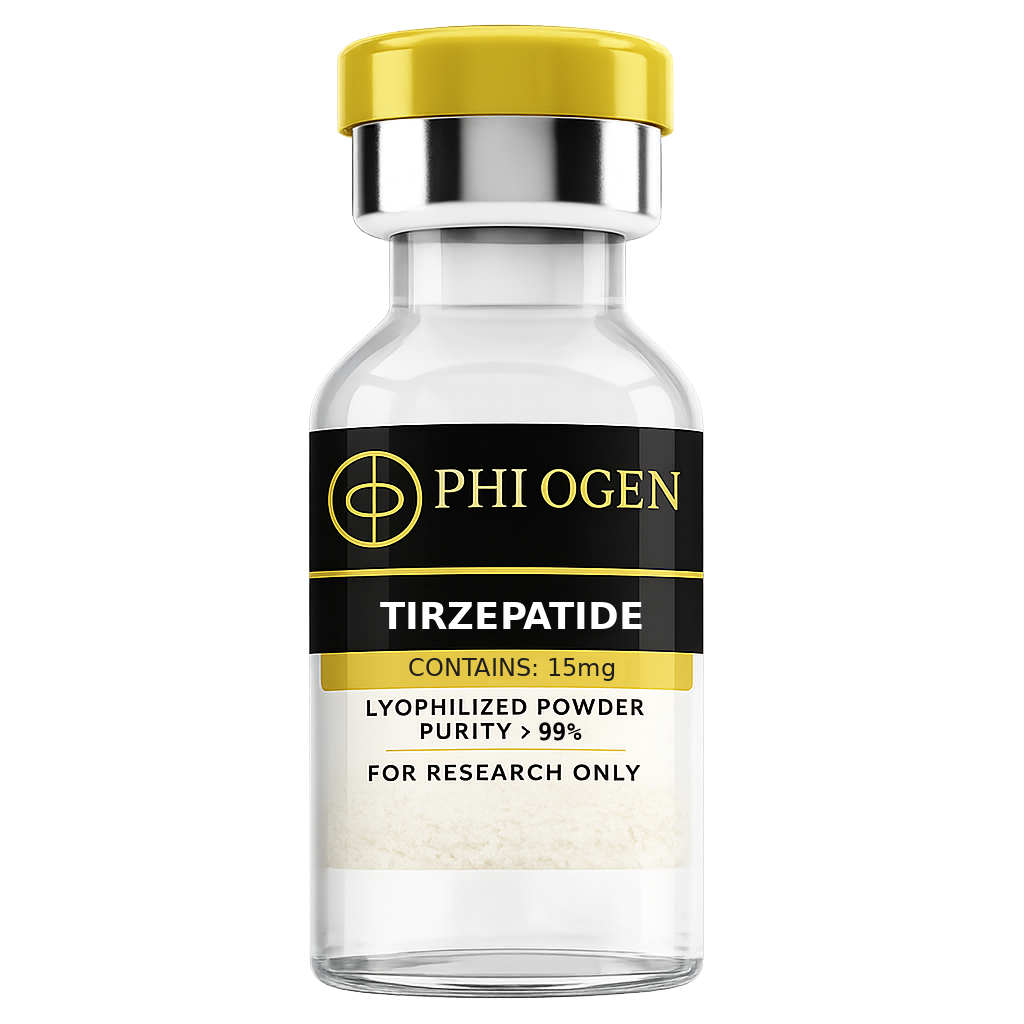
GLP-2 T 15mg
Dual GLP-1 + GIP agonist — superior fat loss and metabolic improvement beyond semaglutide alone

Semaglutide 20mg
Extended semaglutide supply for maintenance and long-term GLP-1 fat loss protocols
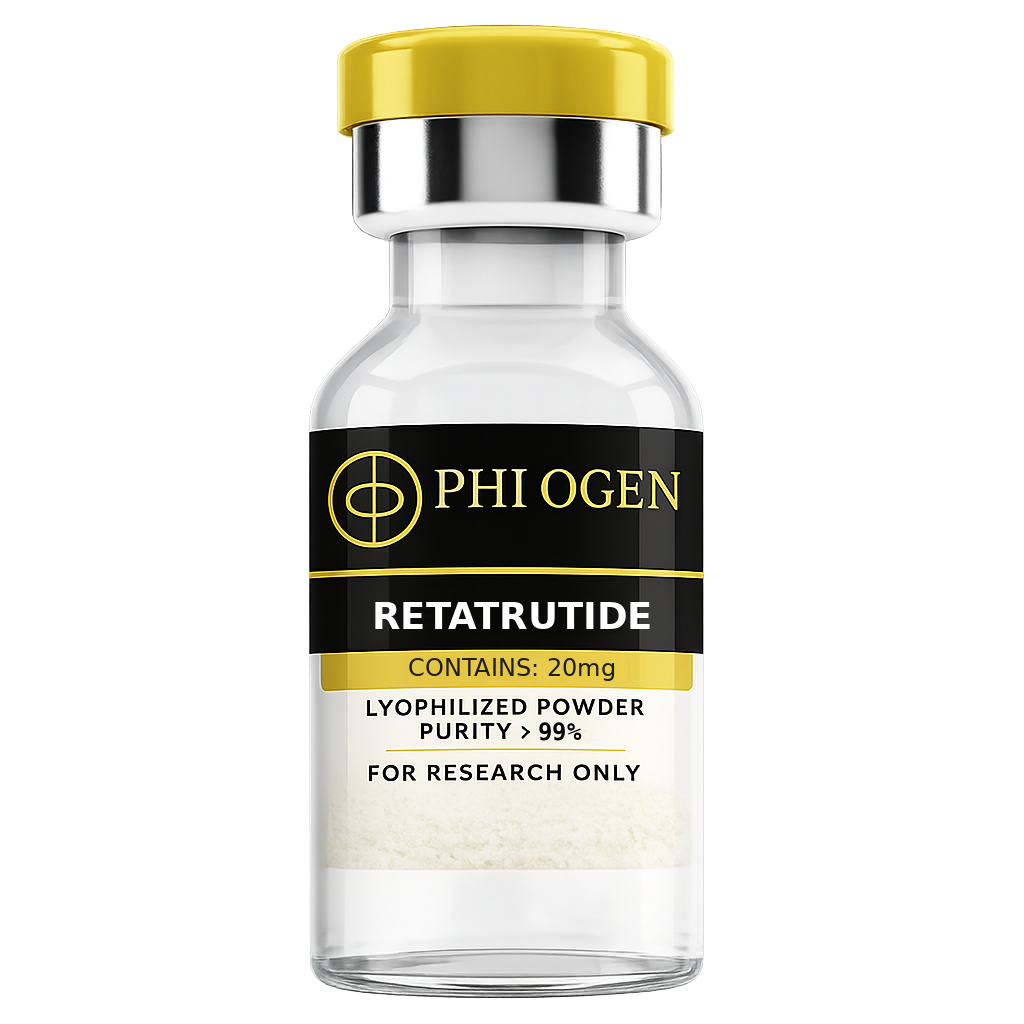
Retatrutide 20mg
Mid-supply retatrutide — covers 5 weeks at max dose or 10 weeks at maintenance