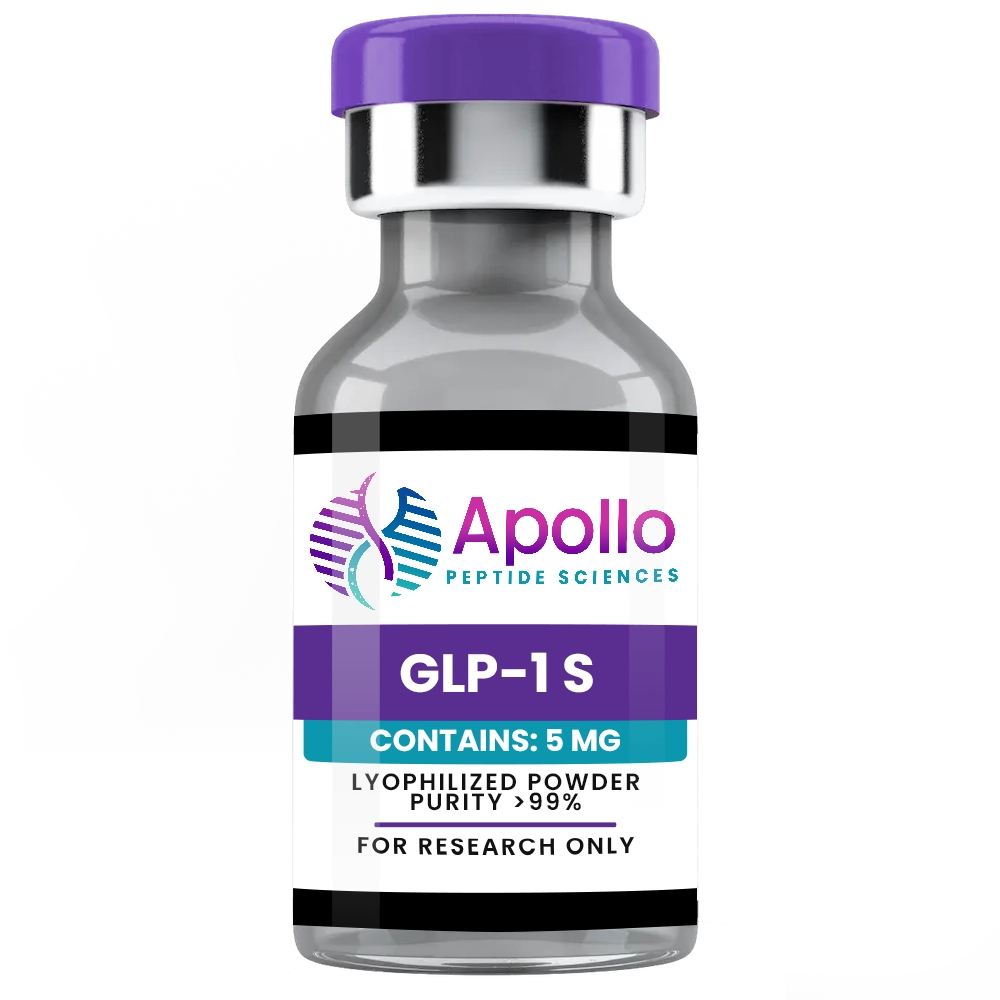
GLP-1 S 5mg
fat loss
Quality Rating

Buy GLP-1 S 5mg

GLP-1 receptor agonist — clinically proven appetite reduction and sustainable fat loss

14.9% body weight lossOnce-weekly injectionSame as Ozempic/Wegovy

Who This Is For

Anyone starting their first GLP-1 protocol who wants to ease in, test tolerance, and build the habit before committing to higher doses.

Semaglutide 5mg — Protocol Data

GLP-1 receptor agonist with 97% structural homology to human GLP-1. Engineered albumin binding extends half-life from 2 minutes (native) to 7 days.

GLP-1 homology

97%

to endogenous GLP-1

Plasma half-life

~7 days

once-weekly dosing

Starter supply

20 weeks

at 0.25mg/week

Proven weight loss

14.9%

avg at 2.4mg/wk (STEP 1)

Injection frequency

Once weekly

same day each week

Appetite reduction

20–40%

vs. baseline

Overview & Benefits

The first 20 weeks of a semaglutide protocol are where you learn everything important: how your body responds, what dose keeps appetite suppression meaningful without the side effects becoming disruptive, and whether this approach fits your lifestyle. The 5mg vial is built for exactly this phase. At the recommended starting dose of 0.25mg/week for the first four weeks, this vial covers your entire titration period and gives you room to find where you actually want to maintain. Most people starting semaglutide underestimate how different food feels within the first few weeks. The reduction in appetite isn't a willpower boost — it's a genuine neurological shift. GLP-1 receptors in the hypothalamus that normally drive hunger and food-seeking behavior are being consistently activated, and the result is that the urgency around eating simply diminishes. You still eat, but the grip that food previously had — the constant thoughts about the next meal, the inability to stop at a reasonable portion — that loosens considerably for most users by week three or four. What the first 20 weeks also teach you is how to manage the protocol. Some people tolerate faster titration without nausea issues; others need to sit at a given dose for six or eight weeks before stepping up. Some find that 0.5mg/week is plenty; others need to reach 1.0mg before appetite suppression becomes meaningful. This vial gives you the supply to find your answer without having committed to more than you need. There's no pressure to rush to the maximum dose — the best maintenance dose is the lowest one that keeps results moving. Starting your first semaglutide protocol also means building the habits that make the pharmacology work. The peptide creates the conditions for sustainable eating by dampening appetite signals — but the dietary structure you build during these early weeks is what turns short-term fat loss into lasting body composition change. The 5mg vial is your entry point: the lowest-commitment, best-fit starting option for anyone new to GLP-1 protocols.

Key Benefits

  • Perfect entry-point supply for a full 20-week titration at starting doses
  • Appetite reduction typically noticeable by week 3–4 — not gradual willpower, an actual neurological shift
  • Lets you find your personal optimal dose before committing to larger purchases
  • Slows gastric emptying so meals satisfy longer — you eat less without feeling deprived
  • Once-weekly injection — the simplest injectable fat loss protocol available
  • Improves fasting glucose and insulin sensitivity as a meaningful secondary benefit
  • Same pharmacology as Ozempic and Wegovy, without the pharmacy cost

Protocols & Dosing

Standard Titration Protocol

Once weekly injection
Weeks 1–4: 0.25mg | Weeks 5–8: 0.5mg | Weeks 9–12: 1.0mg | Maintenance: 1.0–2.4mg

Slow titration is critical to minimize GI side effects (nausea, vomiting). Never rush to a higher dose. Inject subcutaneously — abdomen, thigh, or upper arm. Rotate sites.

Aggressive Protocol (Experienced Users)

Once weekly injection
Weeks 1–2: 0.5mg | Weeks 3–4: 1.0mg | Weeks 5+: 1.5–2.4mg

Only for users who have previously tolerated semaglutide. Higher GI side effect risk. Anti-nausea medication (ondansetron) available OTC to manage symptoms.

How Semaglutide Works: GLP-1 Receptor Agonism and Energy Homeostasis

Semaglutide is a synthetic analogue of human glucagon-like peptide-1 (GLP-1), an incretin hormone secreted predominantly by L-cells of the distal small intestine in response to nutrient ingestion. Native GLP-1 has a plasma half-life of roughly 2 minutes owing to rapid degradation by dipeptidyl peptidase-4 (DPP-4) and neutral endopeptidase. Semaglutide circumvents this limitation through two critical structural modifications: a C-18 fatty diacid chain attached via a linker to lysine at position 26, enabling reversible, high-affinity binding to albumin, and two amino-acid substitutions (Aib at position 8 and arginine at position 34) that confer near-complete DPP-4 resistance. The result is a half-life exceeding 165 hours, enabling once-weekly subcutaneous dosing with remarkably stable plasma concentrations. At the cellular level, semaglutide engages the GLP-1 receptor (GLP-1R), a class B G-protein-coupled receptor expressed in pancreatic beta-cells, hypothalamic nuclei, vagal afferents, gastric parietal cells, cardiac myocytes, and adipose tissue. Receptor occupation triggers Gs-mediated adenylyl cyclase activation, elevating intracellular cyclic AMP (cAMP) and activating protein kinase A (PKA). In pancreatic beta-cells this cascade potentiates glucose-stimulated insulin secretion while suppressing glucagon release from alpha-cells, collectively lowering postprandial glucose excursions without imposing hypoglycemia risk in euglycemic conditions. In hypothalamic arcuate and paraventricular nuclei, GLP-1R stimulation suppresses neuropeptide Y (NPY) and agouti-related peptide (AgRP)—the principal orexigenic signals—while upregulating pro-opiomelanocortin (POMC) and cocaine-and-amphetamine-regulated transcript (CART), neuropeptides that promote satiety and reduce energy intake. The peripheral contribution to fat loss is equally important. Semaglutide slows gastric emptying by inhibiting antral contractility, reducing the rate of nutrient delivery to the small intestine and blunting postprandial glucose and lipid spikes. This gastroparesis-like effect prolongs gastric distension, activating vagal mechanoreceptors that relay satiety signals to the nucleus tractus solitarius (NTS). Additionally, GLP-1R activation in white adipose tissue increases lipolysis via PKA-mediated phosphorylation of hormone-sensitive lipase (HSL) and perilipin-1, mobilizing stored triglycerides as free fatty acids for oxidation. Chronic semaglutide exposure also suppresses de novo lipogenesis in the liver by reducing SREBP-1c expression and diminishing hepatic steatosis, a common comorbidity of obesity. Long-term energy-balance effects emerge from semaglutide's modulation of the mesolimbic reward circuitry. GLP-1R expression in the ventral tegmental area (VTA) and nucleus accumbens (NAc) dampens dopaminergic responses to high-calorie food cues, reducing hedonic eating without the anhedonia associated with opioid antagonists. This central action explains the disproportionate reduction in highly palatable food consumption observed in clinical subjects—a phenomenon that extends weight loss beyond what caloric restriction alone would predict. Together, these interconnected mechanisms create a comprehensive metabolic environment favouring sustained fat mass reduction while largely preserving lean body mass.

Clinical Evidence: Semaglutide Efficacy in Obesity and Metabolic Disease

The STEP (Semaglutide Treatment Effect in People with Obesity) program, comprising five large randomised controlled trials, established semaglutide 2.4 mg weekly as a landmark pharmacotherapy for obesity. STEP 1 enrolled 1,961 adults with a BMI of 30 or above (or 27 with at least one comorbidity) and demonstrated a mean body-weight reduction of 14.9% from baseline over 68 weeks, versus 2.4% in the placebo group. Nearly 70% of semaglutide-treated participants achieved at least 10% weight loss, and approximately one-third lost 20% or more—outcomes that historically required bariatric surgery. Subcutaneous adipose tissue accounted for the majority of lost mass, with visceral fat declining disproportionately, a finding that carries outsized cardiovascular risk benefit. STEP 4 tested a maintenance design: subjects who had received semaglutide for 20 weeks were randomised to continue the drug or switch to placebo. Those continuing semaglutide lost an additional 7.9% over the subsequent 48 weeks, while those switched to placebo regained 6.9%—confirming that the therapy must be maintained to preserve weight loss and highlighting the chronic nature of obesity as a disease. STEP 5 extended the observation window to 104 weeks, finding that cumulative weight loss stabilised around 15.2%, with meaningful improvements in waist circumference, blood pressure, HbA1c, and triglyceride levels persisting throughout. The SUSTAIN and PIONEER trial families in type-2 diabetes similarly demonstrated 6–9% weight reductions alongside potent glycaemic control, establishing dual metabolic benefits. Mechanistic imaging studies using dual-energy X-ray absorptiometry (DXA) and MRI in semaglutide-treated subjects confirm that approximately 85% of weight lost is adipose tissue, with lean mass relatively preserved—a favourable body-composition shift compared to very-low-calorie diets. Biomarker analyses show concurrent reductions in high-sensitivity CRP, interleukin-6, and leptin, alongside increases in adiponectin, suggesting genuine reversal of adipose-tissue inflammation rather than simple mass reduction. These data collectively position semaglutide as both an effective and mechanistically comprehensive anti-obesity agent.

Key Studies

1

Wilding JPH et al. STEP 1 Trial. N Engl J Med. 2021;384(11):989–1002.

Once-weekly semaglutide 2.4 mg produced mean 14.9% body-weight loss over 68 weeks vs 2.4% with placebo in adults with obesity.

2

Wadden TA et al. STEP 3 Trial. JAMA. 2021;325(14):1403–1413.

Semaglutide combined with intensive behavioural therapy achieved 16.0% weight loss, with 75% of participants losing ≥10% bodyweight.

3

Rubino DM et al. STEP 4 Trial. JAMA. 2021;325(14):1414–1425.

Continued semaglutide after initial 20-week treatment led to additional weight loss; discontinuation caused substantial regain, highlighting need for maintenance therapy.

4

Garvey WT et al. STEP 5 Trial. Nat Med. 2022;28(10):2083–2091.

Two-year semaglutide treatment maintained 15.2% weight reduction with durable improvements in cardiometabolic risk factors.

5

Lincoff AM et al. SELECT Trial. N Engl J Med. 2023;389(24):2221–2232.

Semaglutide 2.4 mg reduced major adverse cardiovascular events by 20% in overweight adults with established cardiovascular disease.

Safety Profile & Side Effects

Nausea

moderate

The most commonly reported adverse event, occurring in up to 44% of users during dose escalation. Arises from slowed gastric emptying and central GLP-1R activation in the area postrema. Typically transient and manageable with meal-size reduction.

Vomiting

moderate

Affects approximately 24% of users, predominantly during the first 8–12 weeks. Usually episodic rather than persistent; hydration and small frequent meals help mitigate severity.

Constipation

low

Reported in roughly 24% of participants, caused by reduced gastrointestinal motility. Dietary fibre, adequate hydration, and physical activity are the primary countermeasures.

Injection-Site Reactions

low

Mild erythema, bruising, or induration at the injection site occur in a small percentage of users. Rotating injection sites and proper subcutaneous technique minimise occurrence.

Gallbladder Disease

moderate

Rapid weight loss with any agent increases cholelithiasis risk. Clinical trial data show a modest elevation in gallstone incidence with semaglutide relative to placebo; monitoring is warranted in predisposed individuals.

Pancreatitis (rare)

high

GLP-1 receptor agonists carry a class-level precautionary label for acute pancreatitis. Absolute incidence is low (<0.5% in trials), but users should be aware of persistent upper-abdominal pain as a warning sign.

Buyers Guide: Semaglutide 5 mg — The Optimal Starter Vial

The 5 mg vial of semaglutide is specifically calibrated for individuals beginning a GLP-1 protocol for the first time or returning after an extended break. Standard escalation schedules for research purposes typically start at 0.25 mg per week for the first four weeks, advancing to 0.5 mg weekly for weeks five through eight, and then to 1.0 mg if tolerability allows. A 5 mg vial accommodates this entire starter phase and the first portion of the intermediate phase without requiring a larger purchase commitment—making it the most cost-efficient entry point for those who wish to assess their individual response before investing in higher-quantity vials. From a practical standpoint, a 5 mg vial provides approximately 10–20 weekly doses depending on dose level, meaning it sustains the introductory 8–12 weeks of a protocol without necessitating premature vial changes. This is particularly valuable for first-time users, for whom GI side-effect management and titration pacing are the primary concerns rather than maximal dose delivery. Research subjects who are lean (BMI under 27) or who have high GLP-1 sensitivity may find the lower end of the dose range fully effective for their objectives, making the 5 mg vial a practical long-term option even beyond the starter phase. When evaluating any semaglutide product, purity documentation is the most important quality indicator. Look for third-party high-performance liquid chromatography (HPLC) certificates of analysis confirming peptide purity above 98% and mass spectrometry (MS) data confirming correct molecular weight (4,113.58 Da). Sterile, lyophilised powder presented in sealed vials with bacteriostatic water for reconstitution represents the gold standard of presentation. Proper cold-chain storage (2–8 °C before reconstitution; use within 28 days once reconstituted) is essential for maintaining peptide integrity. The 5 mg format minimises waste for users who want to assess tolerability before committing to a full escalation course.

Semaglutide vs. Alternatives: Where It Fits in the GLP-1 Landscape
Semaglutide occupies a well-validated, highly studied position in the weight-loss peptide landscape. Compared to liraglutide (a first-generation GLP-1 agonist requiring daily dosing), semaglutide's albumin-binding half-life extension translates to substantially better weight-loss outcomes—roughly twice the percentage body-weight reduction—with the added convenience of once-weekly administration. The head-to-head data from the SUSTAIN 7 trial confirmed that semaglutide 1.0 mg outperformed liraglutide 1.2 mg on both glycaemic and weight endpoints, cementing its superiority within the single-receptor GLP-1 class. Against newer dual and triple agonists like tirzepatide (GIP+GLP-1) and retatrutide (GIP+GLP-1+glucagon), semaglutide yields modestly lower absolute weight loss—approximately 15% versus 20–25% for tirzepatide in the SURMOUNT trials. However, semaglutide's cardiovascular outcome data (SELECT trial, 20% MACE reduction) are currently more mature than those of newer agents, making it the preferred choice for individuals with established cardiovascular disease or those who prioritise evidence depth over maximum efficacy. For pure weight-loss optimisation in healthy research subjects, tirzepatide or retatrutide may offer incremental advantages, but semaglutide's established tolerability profile and extensive real-world data make it the benchmark against which all newer agents are measured.

Stack With These Peptides

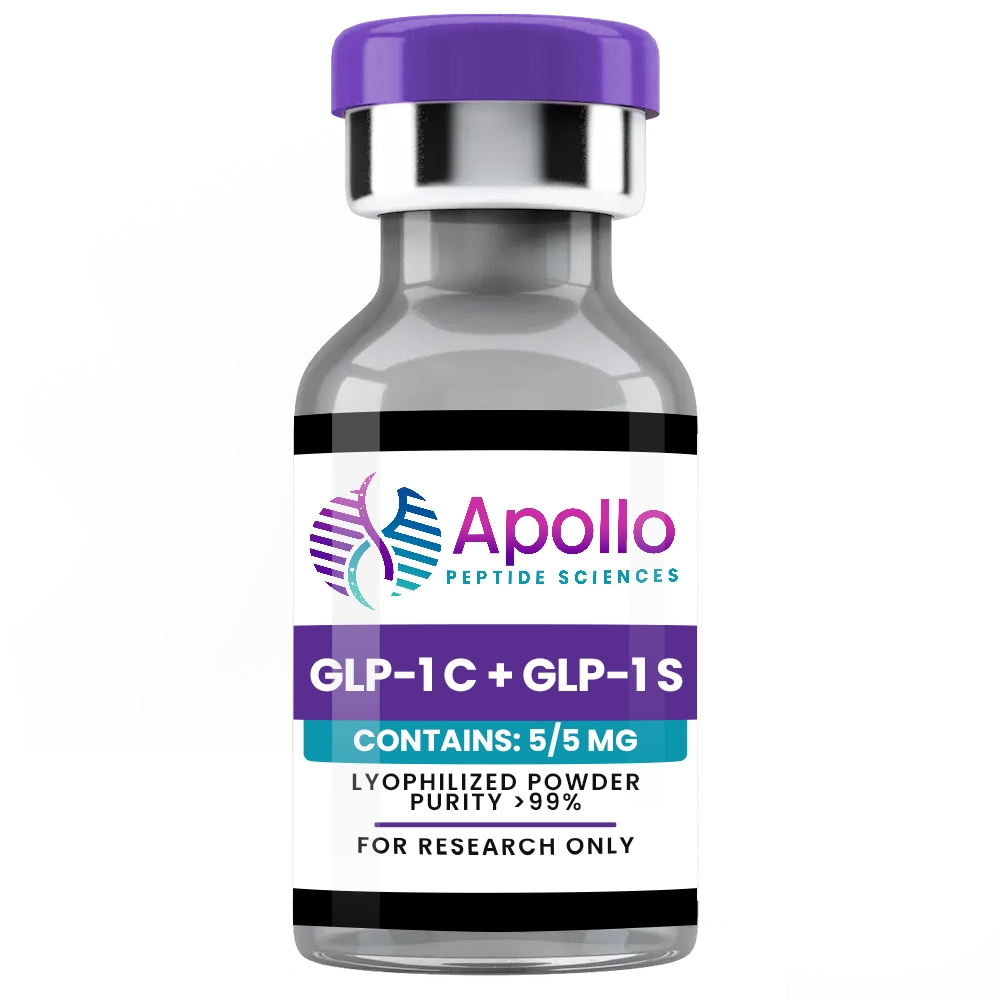
GLP-1 C + GLP-1 S

GLP-1 C + GLP-1 S

fat loss

View →
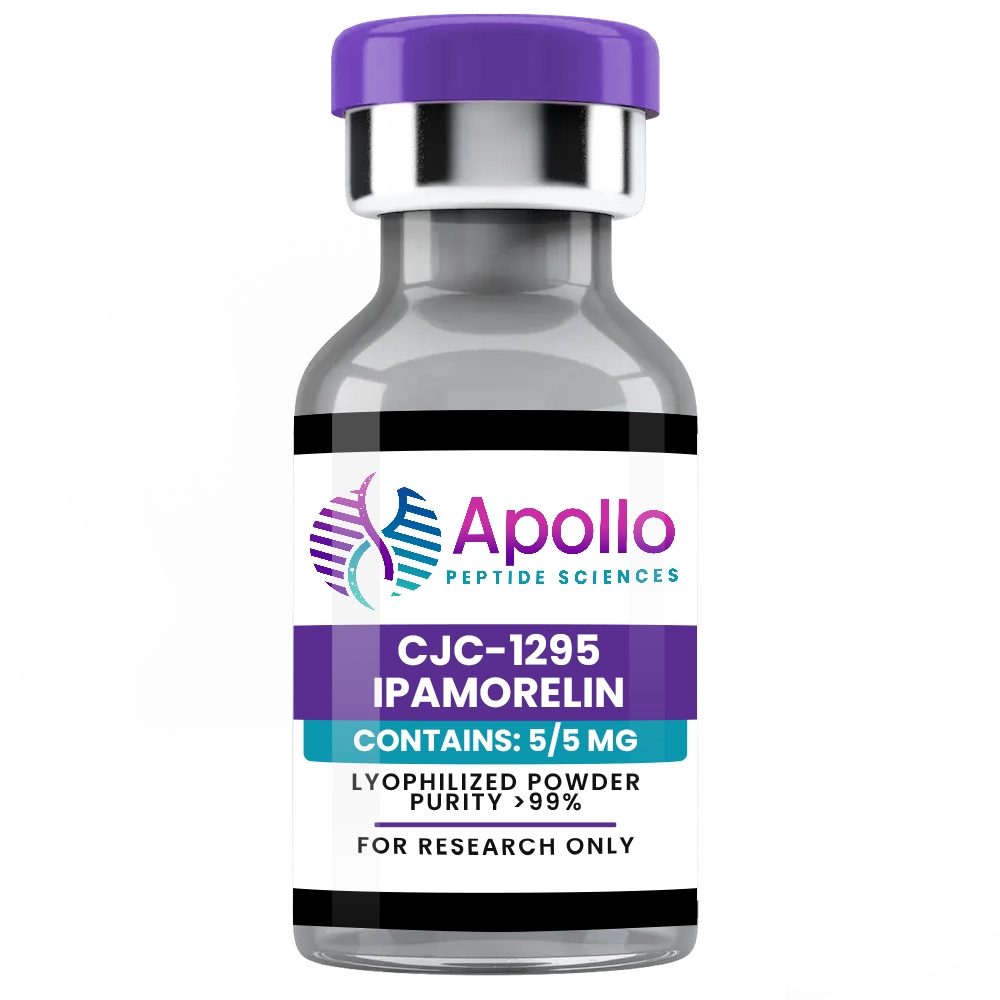
CJC-1295 / Ipamorelin

CJC-1295 / Ipamorelin

performance

View →
GLP-1 S 5mg

Buy GLP-1 S 5mg

$79.99

Buy Now — $79.99Buy at Apollo

Research-grade · COA verified · Apollo Peptide Sciences
Categoryfat loss
Typeinjectable
Quality Rating★★★★★
VendorApollo

Common Questions About GLP-1 S

What is the correct semaglutide starting dosage?

The standard starting dose is 0.25mg (250mcg) once per week injected subcutaneously. This low dose minimizes GI side effects during the adaptation period. After 4 weeks increase to 0.5mg/week. Most users titrate to 1–2mg/week over 8–12 weeks. The 5mg vial provides approximately 20 weeks of supply at the 0.25mg/week starting dose — making it the ideal choice for anyone beginning a semaglutide protocol.

How much weight loss can I expect from semaglutide?

The STEP 1 clinical trial (68 weeks, 2.4mg/week dose) produced 14.9% mean body weight reduction — approximately 15kg average. At lower doses typical of self-directed protocols (1–2mg/week), results are dose-dependent but clinically significant. Most users report 5–10% body weight reduction within the first 12 weeks of consistent use at therapeutic doses. Weight loss continues as long as the protocol continues — the curve does not plateau early.

What are semaglutide's side effects?

The most common side effects are gastrointestinal: nausea, vomiting, diarrhea, and constipation, primarily during dose escalation. These are dose-dependent and typically resolve within 1–2 weeks at any given dose level. Slow titration is the most effective mitigation. Other reported effects include fatigue during early titration and reduced interest in previously enjoyed foods. Serious risks include pancreatitis (rare) and thyroid concerns in those with relevant personal or family history — do not use with personal or family history of MTC or MEN2.

GLP-1 S 5mg

$79.99

Buy Now