Lose Fat.
Build Muscle. At Once.
"You can't build muscle in a deficit" is mostly true for natural training without hormonal support. With the right peptide combination, you can genuinely do both — not through magic, but because GH peptides preserve lean mass while GLP-1s drive fat oxidation from a completely different pathway.
Why This Wasn't Possible Before GLP-1s
Traditional recomping required either a very small caloric deficit (so muscle loss was minimal) or a very small surplus (so fat gain was minimal). Either way, the pace was glacial — real body composition change took years.
GLP-1 receptor agonists change this because they drive fat loss through appetite suppression and metabolic mechanisms, not just caloric restriction. Your body isn't starving — it's just preferentially burning fat. That changes the muscle/fat trade-off completely.
Add GH peptides to maintain the anabolic signaling that would normally require a caloric surplus, and you have both processes running simultaneously. The results in clinical trials back this up — tirzepatide subjects maintained lean mass at rates far higher than predicted by the deficit alone.
The Three Mechanisms
Semaglutide / Tirzepatide / Retatrutide
GLP-1 receptor agonists suppress appetite and drive fat oxidation through multiple pathways: reduced caloric intake, slowed gastric emptying, improved insulin sensitivity, and direct hepatic fat oxidation (especially retatrutide via glucagon agonism). The fat loss is real and measurable — not water weight, not lean mass. Clinical trials consistently show 15–24% body weight reduction with the majority from fat tissue.
CJC-1295 / Ipamorelin + IGF-1 LR3
The primary risk during aggressive fat loss is lean mass loss. In caloric deficit, your body breaks down muscle tissue for fuel. CJC-1295/Ipamorelin maintains elevated GH signaling that preferentially drives fat oxidation and preserves muscle protein. IGF-1 LR3 further amplifies muscle protein synthesis and satellite cell recruitment — you're actively building while simultaneously losing fat. This is the mechanism that makes true recomp possible.
MOTS-c + SS-31
Mitochondrial peptides are the overlooked layer. MOTS-c activates AMPK, improving metabolic flexibility — your ability to switch between fuel sources. SS-31 targets mitochondrial function directly, increasing ATP output per session and reducing oxidative stress from the elevated training volume that recomp requires. Better mitochondria = more fat burned per hour, and better recovery between sessions.
The Recomp Stack
Semaglutide or Tirzepatide
Titrated per standard GLP-1 protocol
CJC-1295 / Ipamorelin
100 mcg each, pre-sleep SC
IGF-1 LR3
40–100 mcg post-workout
MOTS-c
10 mg SC, 3× weekly
BPC-157
250 mcg daily SC
TB-500
2–5 mg SC twice weekly
What to Expect, Month by Month
Month 1
Establish GLP-1 baseline, begin CJC/Ipa sleep protocol. Body adjusts to the new appetite and hormonal environment. Don't rush the GLP-1 titration.
Month 2
Full recomp effect becomes visible. The simultaneous fat loss and muscle preservation starts showing in measurements — scale might not move dramatically but body composition is shifting clearly.
Month 3
Compound the results. Adjust GLP-1 dose if stalled. Add IGF-1 LR3 cycle if aggressive muscle building is the priority. Optimize training split for peptide timing.
Month 4–6
Long-term protocol maintenance. Most users at this point have achieved the composition they were targeting and shift to lower maintenance doses of the GLP-1 while continuing the GH peptide stack.
Recomp Stack Peptides
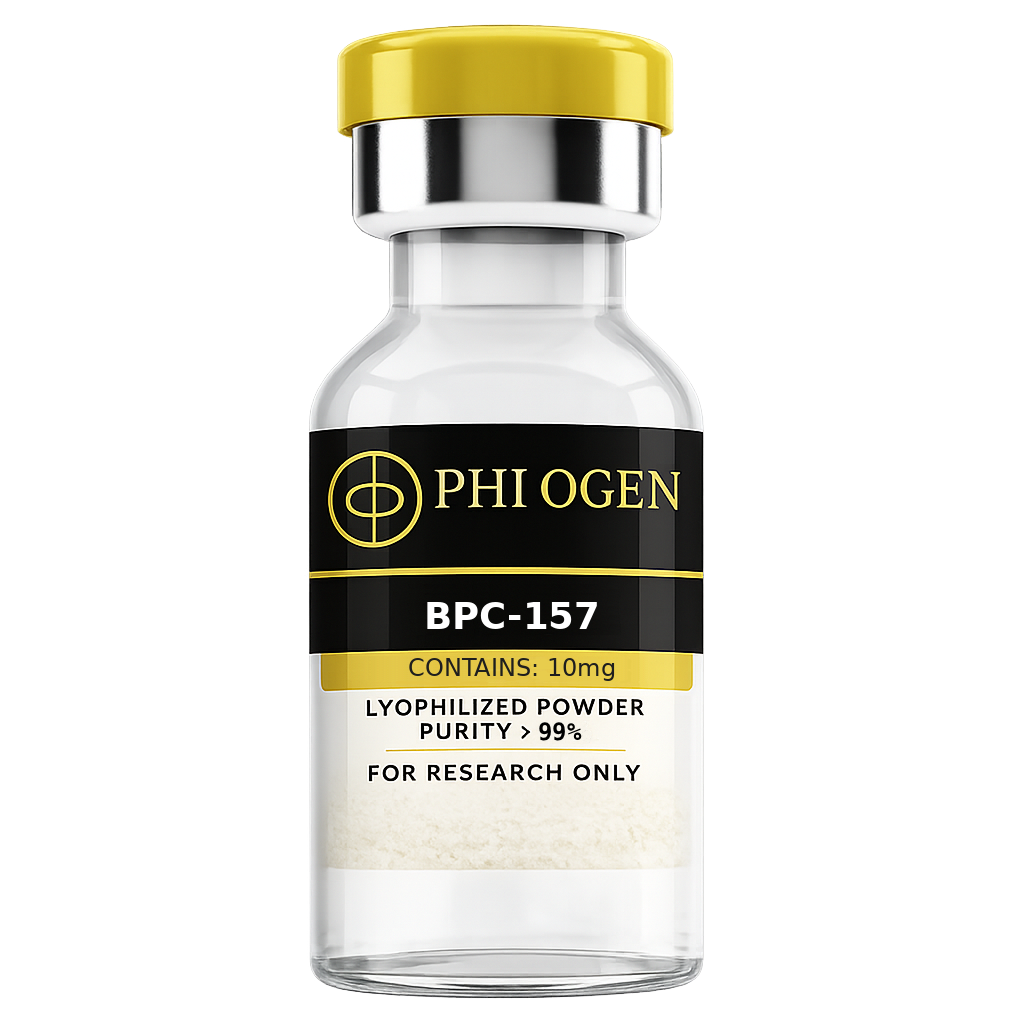
BPC-157 10mg
The body's own repair peptide — accelerates healing in tendon, muscle, gut, and nerve tissue
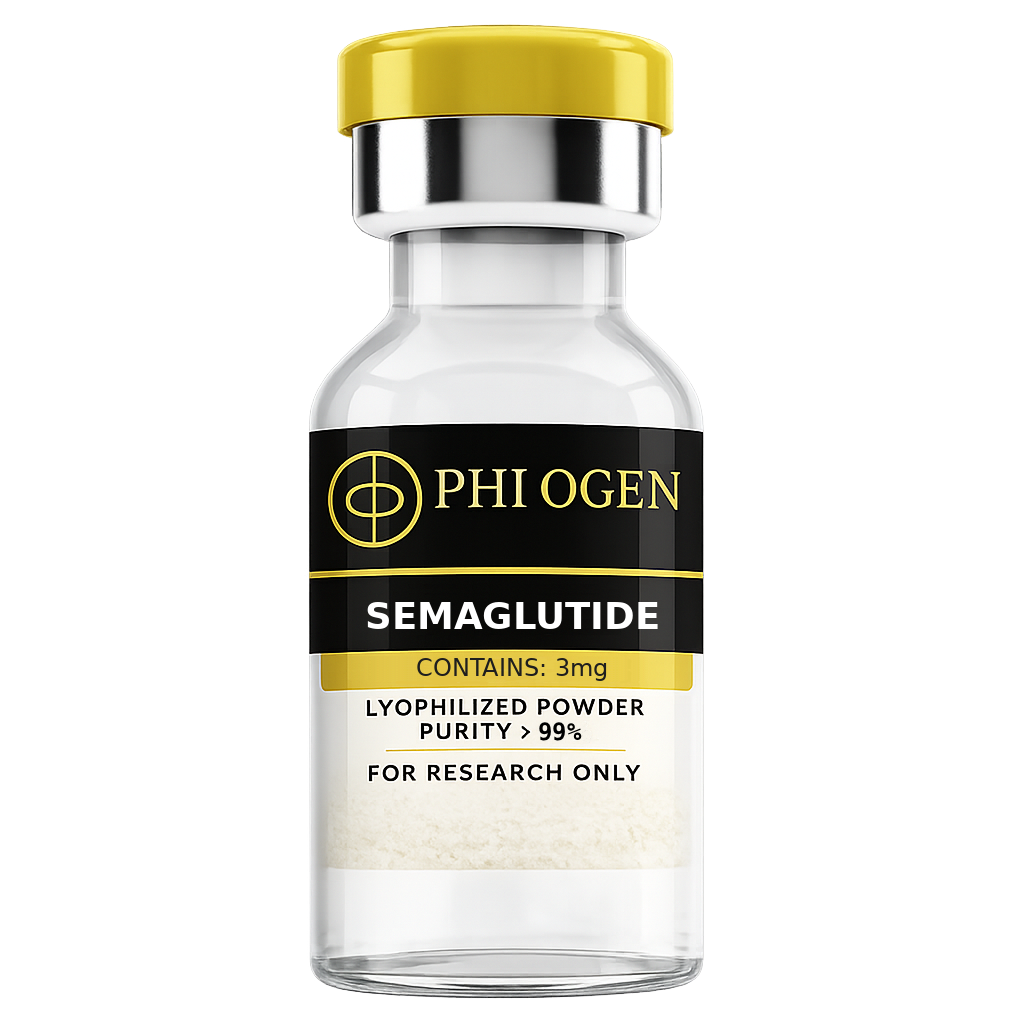
GLP-1 S 5mg
GLP-1 receptor agonist — clinically proven appetite reduction and sustainable fat loss
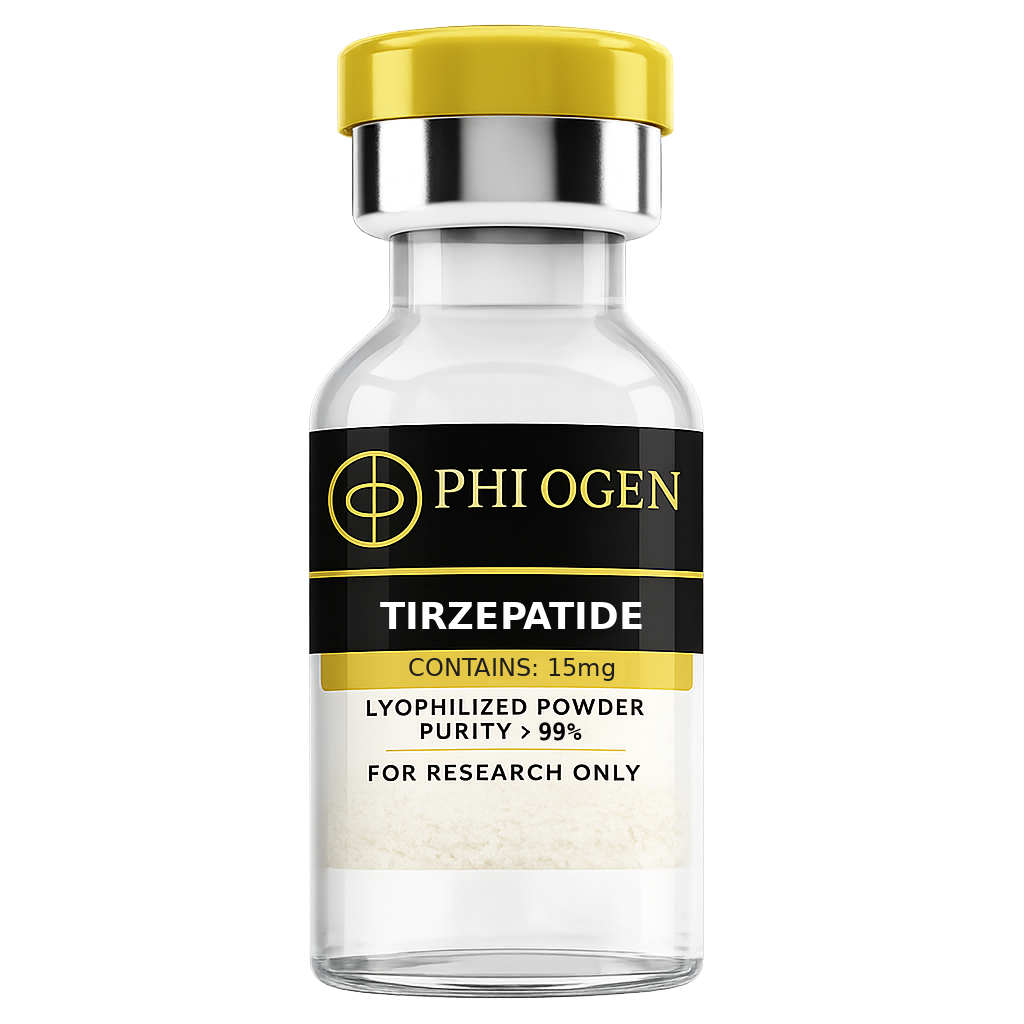
GLP-2 T 15mg
Dual GLP-1 + GIP agonist — superior fat loss and metabolic improvement beyond semaglutide alone
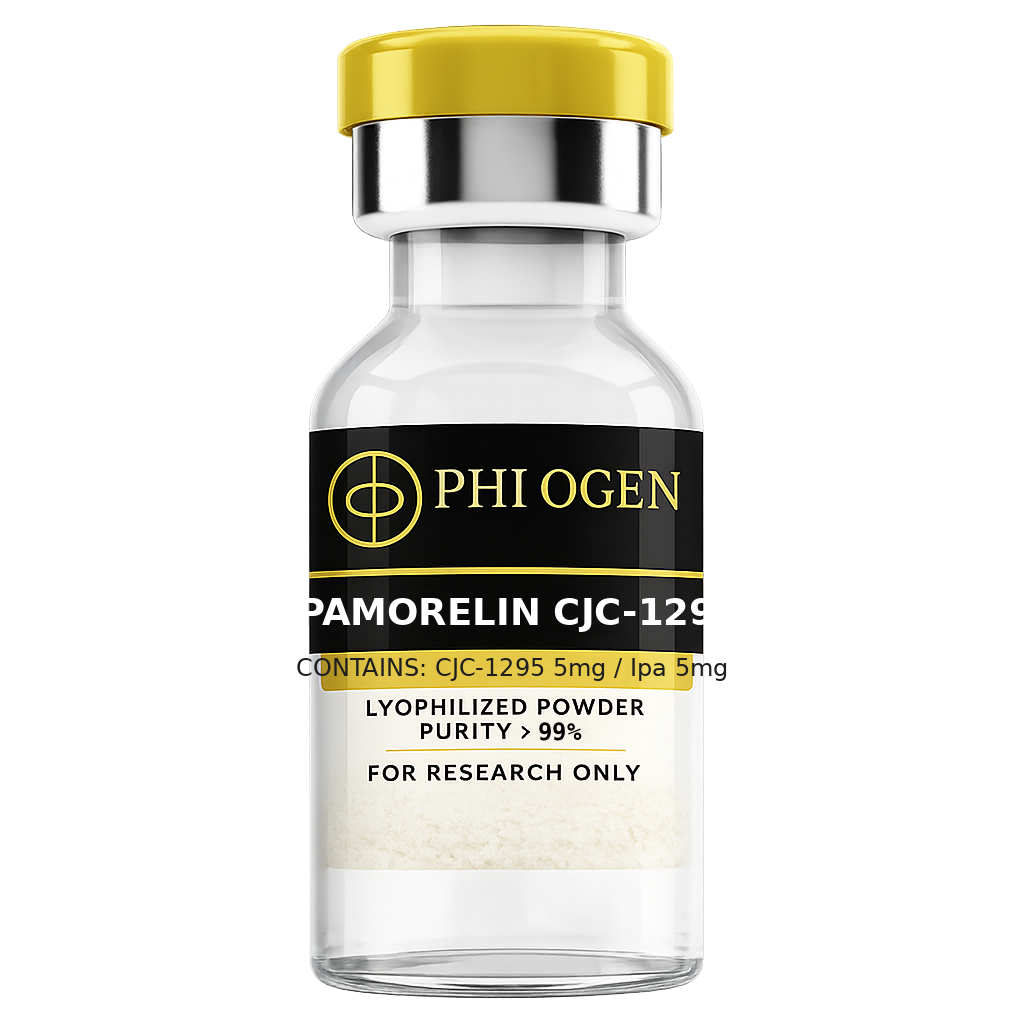
CJC-1295 / Ipamorelin
The gold standard GH stack — pulsatile growth hormone release without cortisol or prolactin elevation
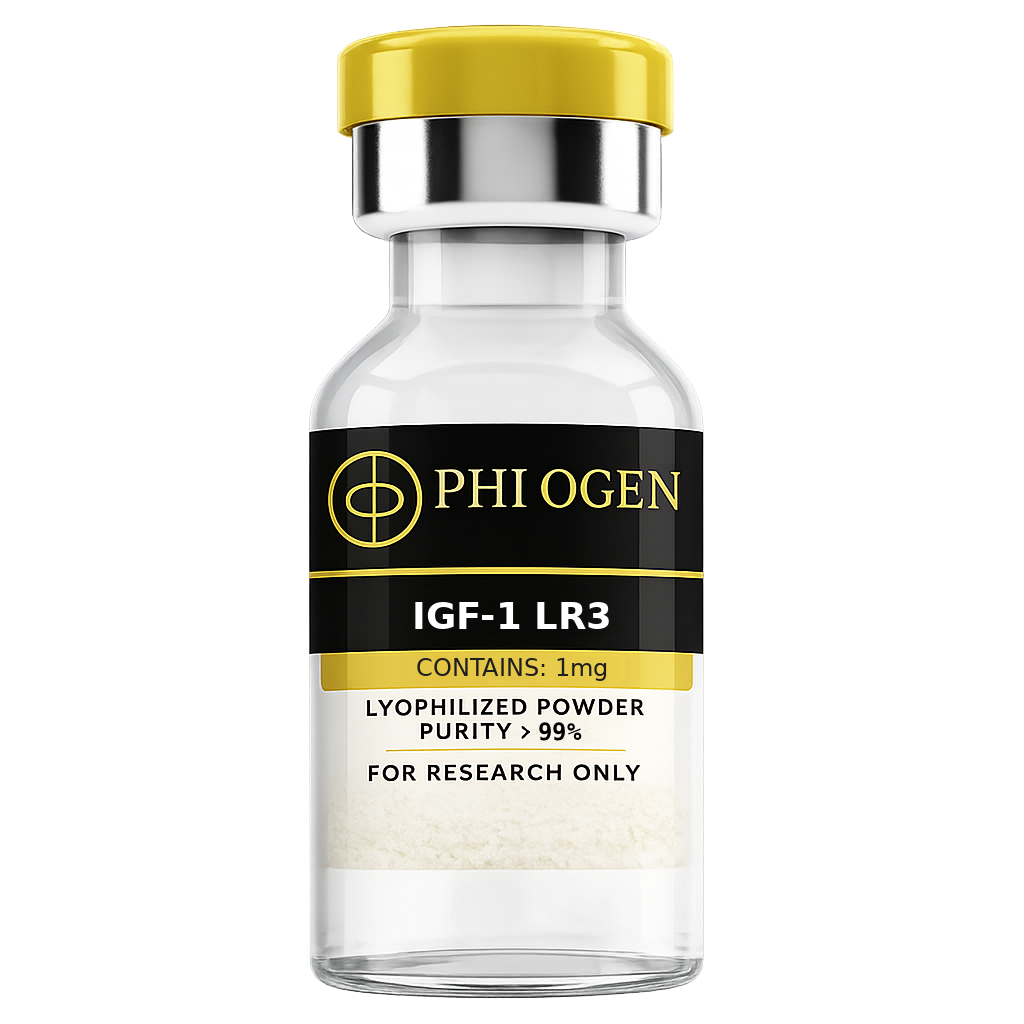
IGF-1 LR3
Long R3 IGF-1 — promotes muscle hyperplasia and satellite cell activation for permanent muscle fiber growth