The Gym Peptide
Stack That Actually Works
Not more testosterone. Not more stimulants. Peptides work with your body's existing hormonal architecture — amplifying GH pulses, driving satellite cell recruitment, and keeping your joints and tendons functional enough to actually train at the volume this requires.
How Peptides Fit Into a Training Protocol
Testosterone and steroids work by flooding androgen receptors. That's effective but comes with the full endocrine disruption package. Peptides take a different path — they amplify signals your body already sends, rather than overriding them.
CJC-1295/Ipamorelin doesn't give you synthetic GH. It extends and amplifies your existing pre-sleep GH pulse — the one that drives recovery during slow-wave sleep. IGF-1 LR3 doesn't replace testosterone — it drives satellite cell proliferation that testosterone can't do alone. BPC-157 doesn't suppress pain — it actually fixes the tissue.
The result: better recovery, better composition, maintained joints. Without suppressing your natural hormone production.
The Stack, Compound by Compound
CJC-1295 / Ipamorelin
The GH Pulse
This is the stack backbone. CJC-1295 extends your natural GH pulse duration. Ipamorelin adds a clean GH release without the cortisol and prolactin spike you get from GHRP-6 or hexarelin. Together they amplify the pre-sleep GH pulse that drives fat metabolism and muscle protein synthesis through the night. After 8 weeks, your body composition at the same bodyweight looks different — more muscle, less fat. That's what consistent GH elevation does.
Protocol
100 mcg each, subcutaneous, 30–60 min before sleep
Cycle
12 weeks on, 4 weeks off
IGF-1 LR3
The Hyperplasia Driver
IGF-1 LR3 is the most direct anabolic peptide available. It binds IGF-1 receptors with higher affinity than native IGF-1 and its modified structure prevents it from binding to IGF binding proteins — meaning more of it stays active and available. The most impressive effect: it drives satellite cell proliferation, which is the mechanism behind true muscle cell hyperplasia (new cells, not just bigger cells). Inject it locally post-workout into the trained muscle for maximal regional effect.
Protocol
40–100 mcg post-workout, local or systemic SC injection
Cycle
4–6 weeks on, 4 weeks off (receptor sensitivity)
BPC-157
The Insurance Policy
High training volume creates micro-damage faster than the body can repair under normal conditions. BPC-157 runs continuously in the background, accelerating tendon and ligament recovery, protecting the gut from NSAIDs and training-induced inflammation, and keeping joints functional. Serious trainers don't wait for injuries. They run BPC-157 so the injuries don't accumulate into something that ends training for months.
Protocol
250–500 mcg daily, SC near the area of heaviest stress
Cycle
Can run continuously or 12 weeks on/off
MOTS-c
The Mitochondrial Amplifier
MOTS-c is a mitochondrial-derived peptide that dramatically improves metabolic flexibility and exercise-induced glucose uptake. It activates AMPK — the same pathway targeted by metformin — which drives fat oxidation and improves the energy efficiency of every training session. Athletes running MOTS-c report better endurance at higher intensities and faster aerobic adaptation. The recovery between sessions improves because mitochondrial output is higher.
Protocol
5–10 mg SC, 2–3× per week, pre-training or morning
Cycle
8–12 weeks, can run alongside CJC/Ipa
12-Week Protocol Timeline
Foundation
CJC-1295/Ipa pre-sleep + BPC-157 daily. Adjust sleep schedule to maximize the GH pulse window. Let the baseline establish.
Add IGF-1
Introduce IGF-1 LR3 post-workout on training days. Keep dose conservative (40 mcg) and inject local to main training muscles.
Full Stack
All compounds running. Optimize training volume — this is when you can handle more. Add MOTS-c if endurance work is part of the program.
Maximize
IGF-1 LR3 cycle ends at week 6, reintroduce at week 10 if desired. CJC/Ipa continues. BPC-157 continues. Evaluate and adjust.
Training With vs. Without Peptides
| Metric | Training Alone | With Peptide Stack |
|---|---|---|
| Muscle growth mechanism | Hypertrophy (cell size) | Hypertrophy + Hyperplasia (cell size + cell count) |
| Recovery speed | 48–72 hrs heavy session | 24–48 hrs with BPC-157 + GH peptides |
| Sleep quality | Baseline GH pulse | 2–3× amplified GH pulse via CJC/Ipa |
| Joint tolerance | Degrades with volume | Maintained with BPC-157 running |
| Fat oxidation | Training-dependent | MOTS-c drives AMPK continuously |
Build Your Gym Stack
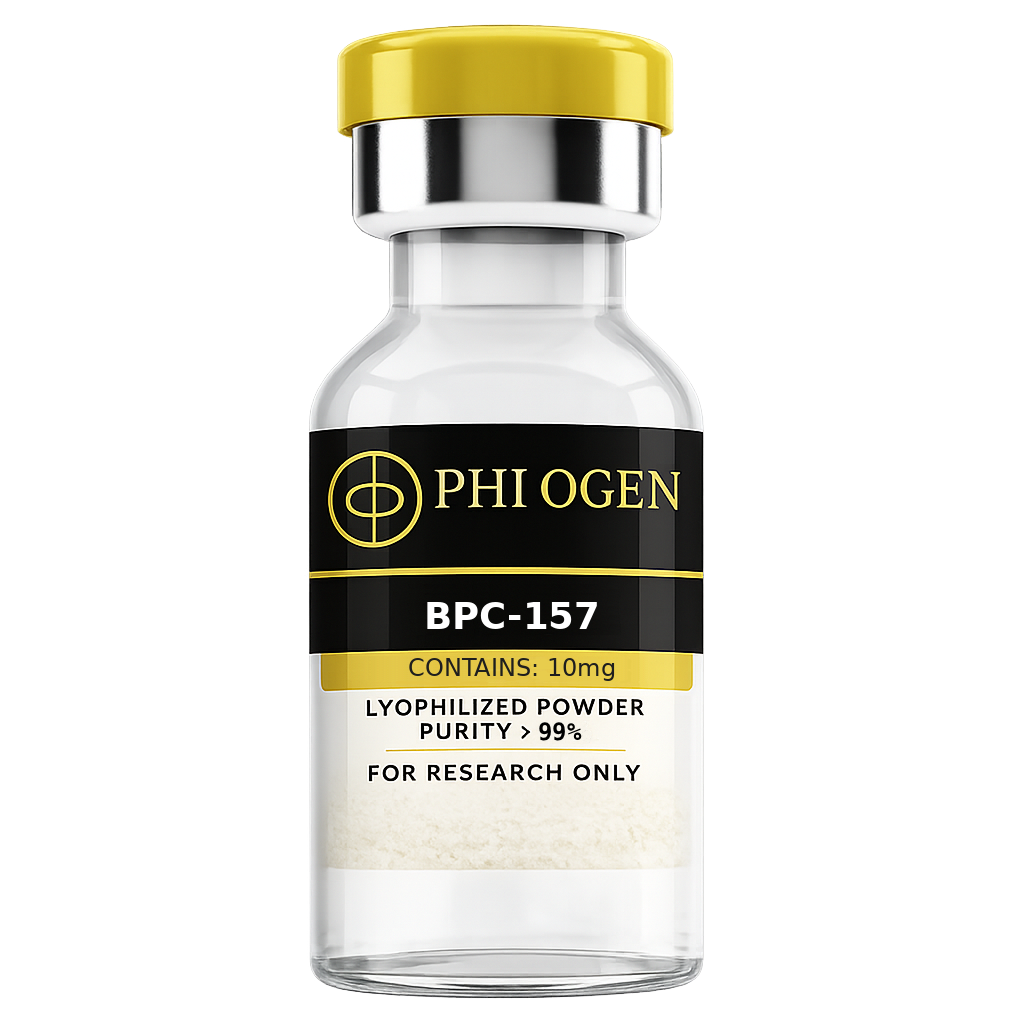
BPC-157 10mg
The body's own repair peptide — accelerates healing in tendon, muscle, gut, and nerve tissue
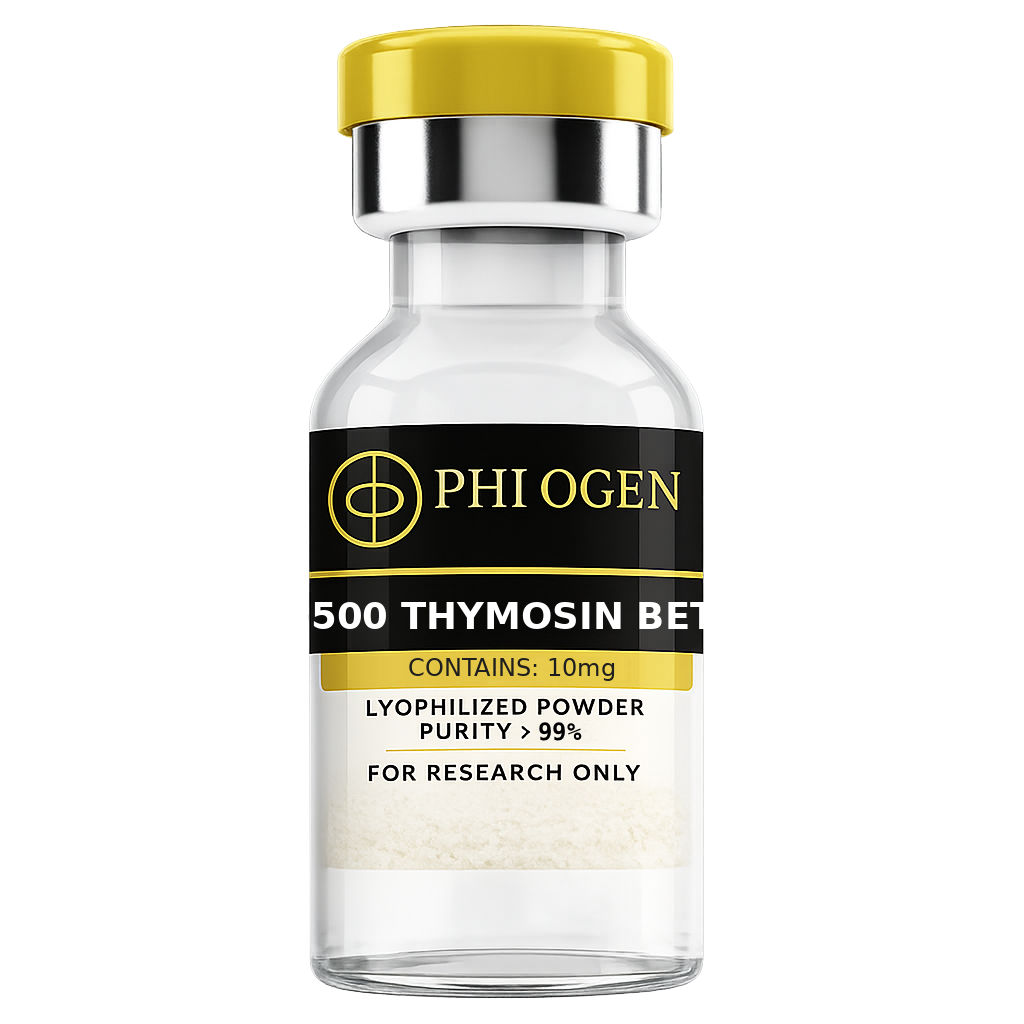
TB-500 10mg
Systemic tissue repair peptide — regenerates muscle, accelerates recovery, reduces inflammation body-wide
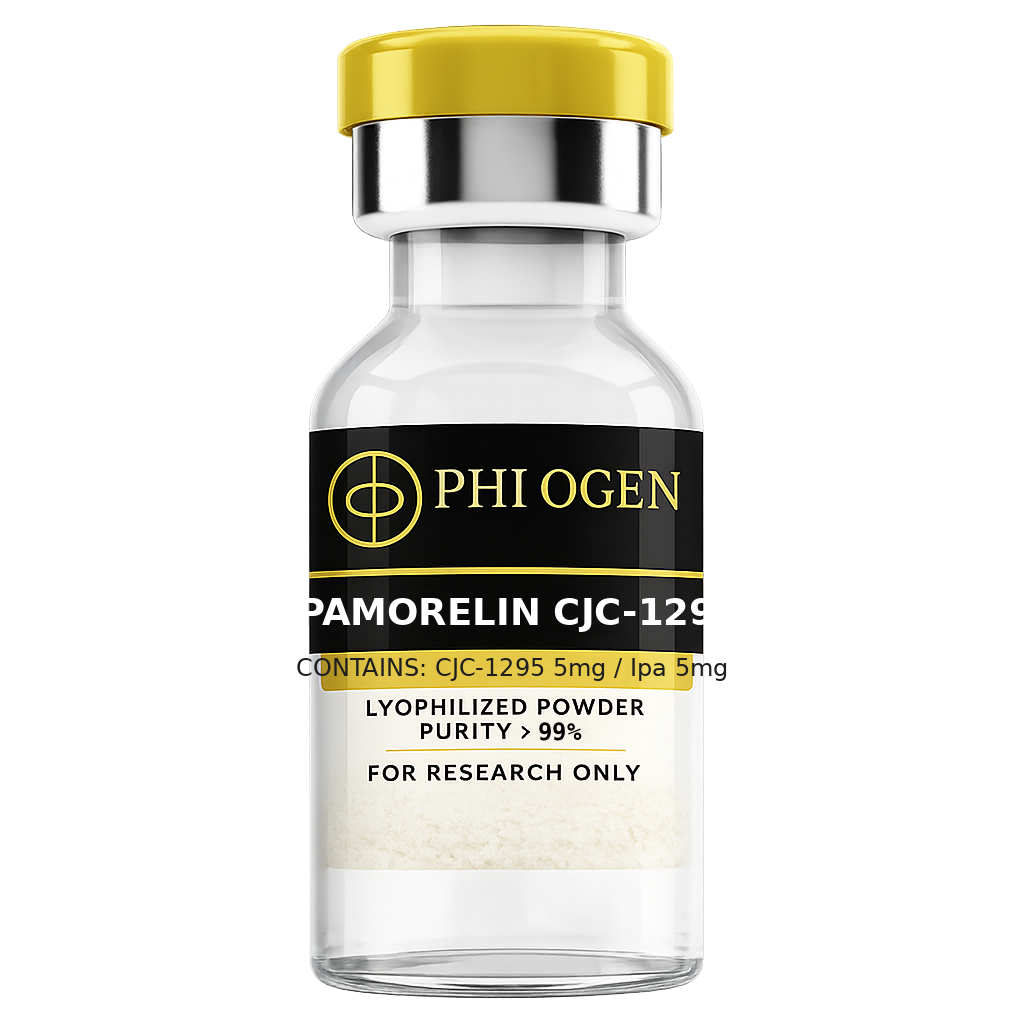
CJC-1295 / Ipamorelin
The gold standard GH stack — pulsatile growth hormone release without cortisol or prolactin elevation
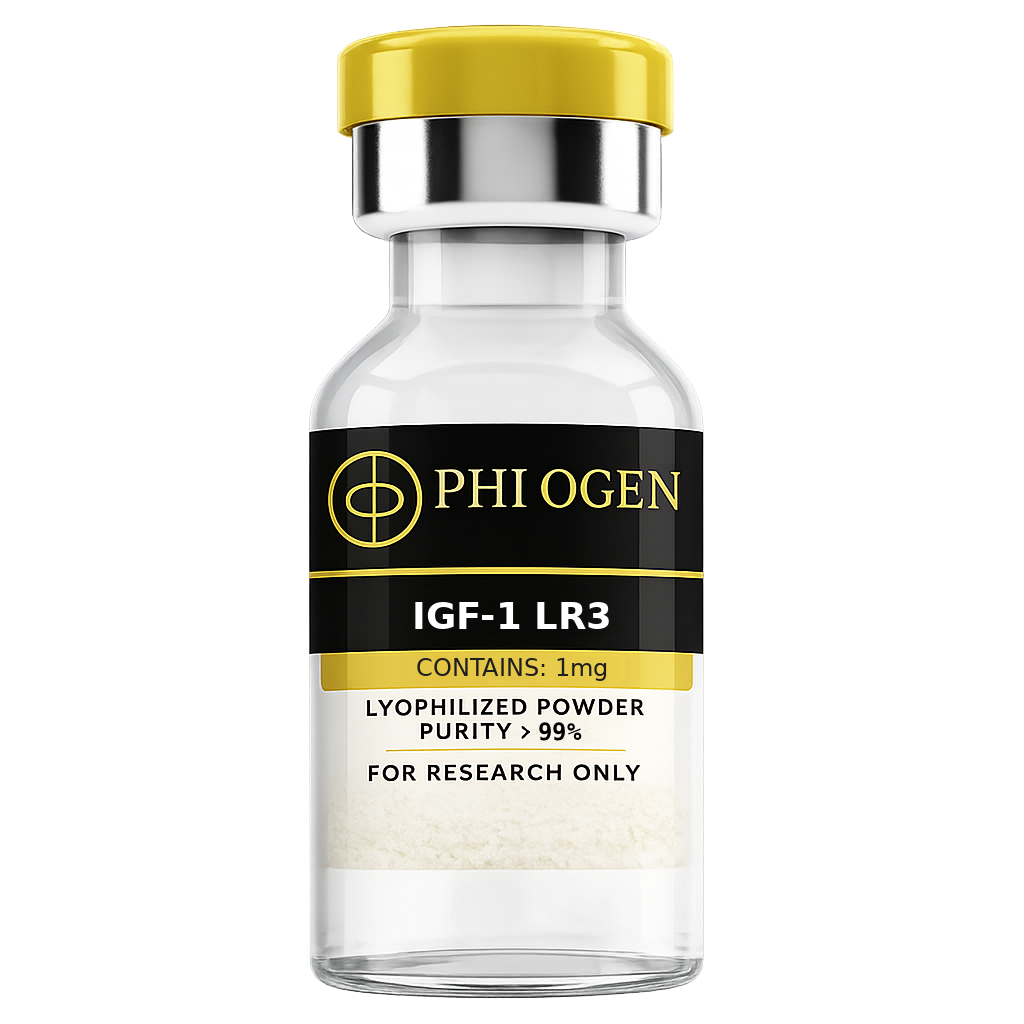
IGF-1 LR3
Long R3 IGF-1 — promotes muscle hyperplasia and satellite cell activation for permanent muscle fiber growth
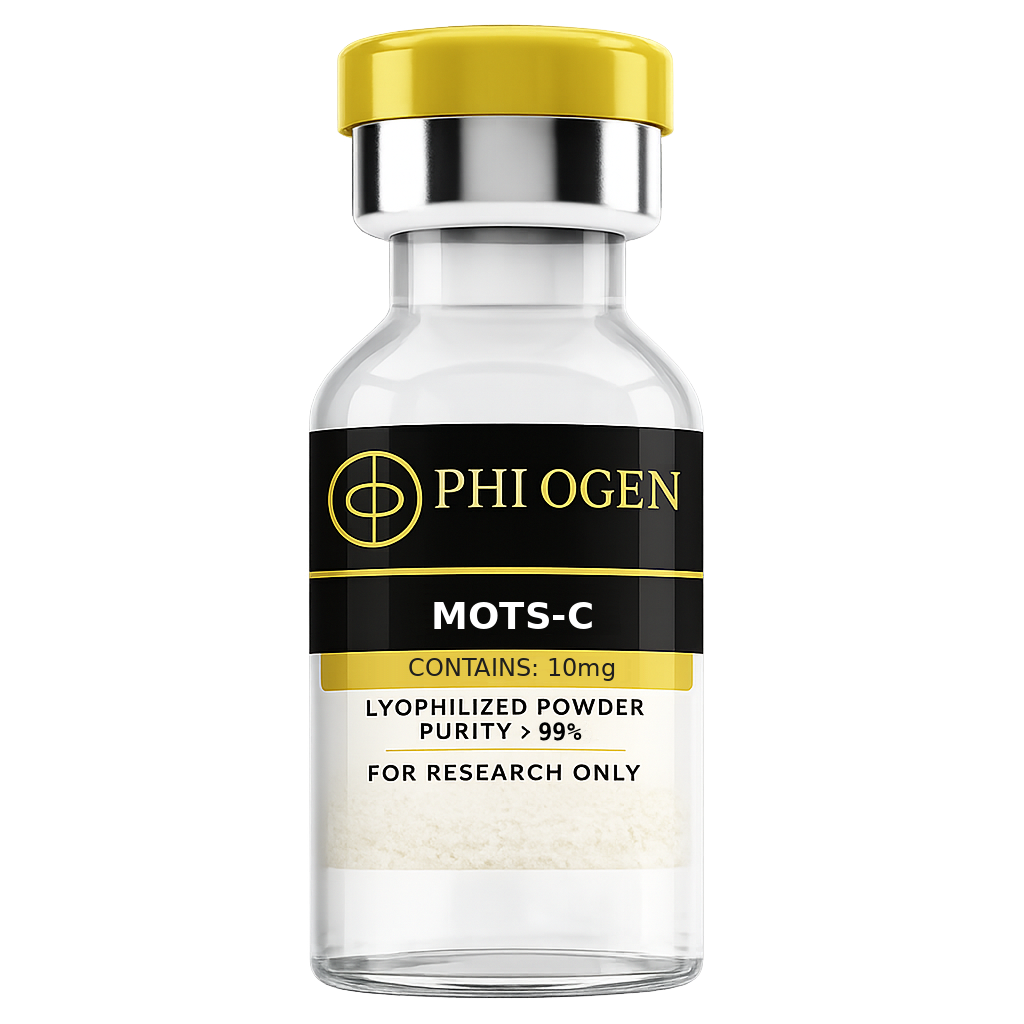
MOTS-c 10mg
Mitochondrial peptide — metabolic flexibility, insulin sensitivity, and exercise adaptation