Optimize Testosterone
Without Suppressing It
Exogenous testosterone works — but it shuts down your own production. Peptides take the other path: fixing the upstream reasons your testosterone is suppressed in the first place. Better sleep, better insulin sensitivity, better GH output. The result is your own testosterone rising, not a replacement.
What Peptides Can and Cannot Do
Peptides are not a replacement for TRT if your testosterone is clinically low and symptomatic. If you have hypogonadism requiring medical treatment, that's what TRT is for.
What peptides are exceptional at: fixing the reasons testosterone is low in the first place. Poor sleep reduces testosterone by 15% per night. Insulin resistance inversely correlates with testosterone directly. Declining GH output weakens Leydig cell function. These are addressable.
Most men in their 30s and 40s with "low" testosterone have lifestyle-suppressed testosterone, not a broken HPG axis. Peptides fix the suppression.
What's Suppressing Your Testosterone
| Suppressant | Impact | Peptide Fix |
|---|---|---|
| Poor sleep (< 7 hrs) | −15% testosterone per night | DSIP + Selank + Pinealon |
| High cortisol / chronic stress | −20–40% testosterone | Selank + BPC-157 (gut stress) |
| Insulin resistance | Direct inverse correlation | MOTS-c + tirzepatide |
| Declining GH output (age) | IGF-1 drop → Leydig cell decline | CJC-1295 / Ipamorelin |
| Pineal/circadian dysregulation | LH pulsatility disruption | Epithalon + Pinealon |
| Low body weight or extreme deficit | Survival mode hormonal suppression | GLP-1 for fat loss, not starvation |
The Stack, Explained
CJC-1295 / Ipamorelin
GH → IGF-1 → Testicular Leydig Cell Support
Growth hormone and testosterone work synergistically through LH and IGF-1 signaling. Elevating GH output with CJC-1295/Ipamorelin improves Leydig cell function — the cells in the testes that produce testosterone. Studies show GH administration increases testicular IGF-1, which directly supports testosterone biosynthesis. This is why high-GH athletes tend to have excellent testosterone levels without exogenous support.
Effect
Indirect but meaningful support of the testosterone production axis
Dose
100 mcg each SC, pre-sleep
Epithalon
Pineal → Melatonin → LH Optimization
The pineal gland doesn't just control sleep — it modulates the entire HPG (hypothalamic-pituitary-gonadal) axis via its circadian influence. Declining pineal function with age is directly correlated with declining testosterone. Epithalon restores pineal output, which normalizes the circadian LH pulsatility that drives testicular testosterone production. Khavinson's 15-year studies showed significant hormone normalization in aging subjects — testosterone was part of that profile.
Effect
HPG axis normalization, LH pulse restoration, age-related decline reversal
Dose
5–10 mg SC nightly for 10 days, 2× per year
MOTS-c
Metabolic Optimization → Hormonal Environment
Insulin resistance and poor metabolic health are direct suppressors of testosterone. The relationship is causal — HOMA-IR (insulin resistance score) inversely predicts total testosterone in men. MOTS-c activates AMPK and dramatically improves insulin sensitivity, creating the metabolic environment where testosterone naturally rises. You're not stimulating testosterone production — you're removing the suppressive load.
Effect
Improved testosterone via metabolic health improvement
Dose
5–10 mg SC, 2–3× weekly
PT-141 (Bremelanotide)
Central CNS → Libido & Sexual Function
PT-141 acts centrally via melanocortin receptors in the brain — specifically MC4R — to drive sexual arousal and function independent of circulating testosterone levels. While not directly raising testosterone, it addresses the functional symptoms of low testosterone (libido, ED) through a completely different pathway. Important: it works on the CNS, not the vascular system like PDE5 inhibitors. It's particularly valuable when low libido exists despite normal-ish testosterone numbers.
Effect
Sexual function restoration via CNS melanocortin pathway
Dose
1–2 mg SC or intranasal, 30–60 min before desired effect
Testosterone Support Stack
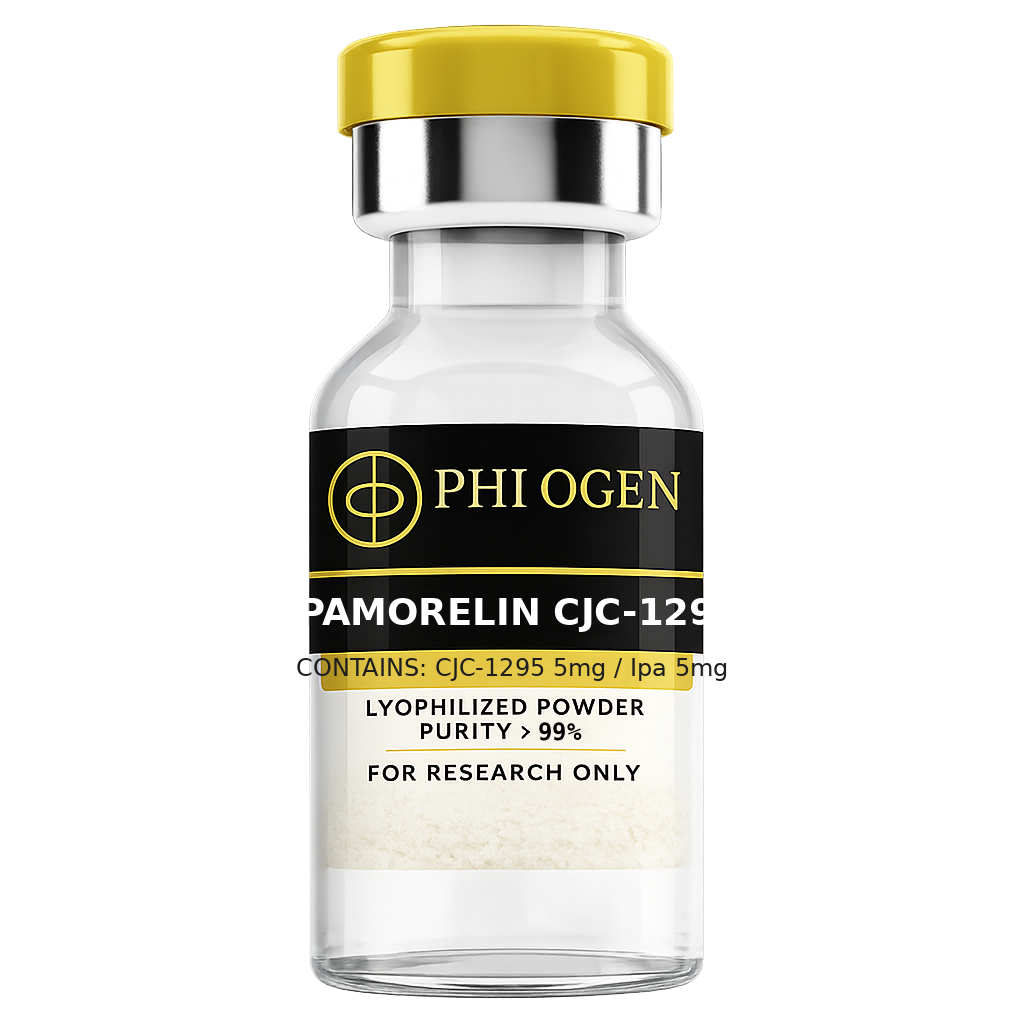
CJC-1295 / Ipamorelin
The gold standard GH stack — pulsatile growth hormone release without cortisol or prolactin elevation
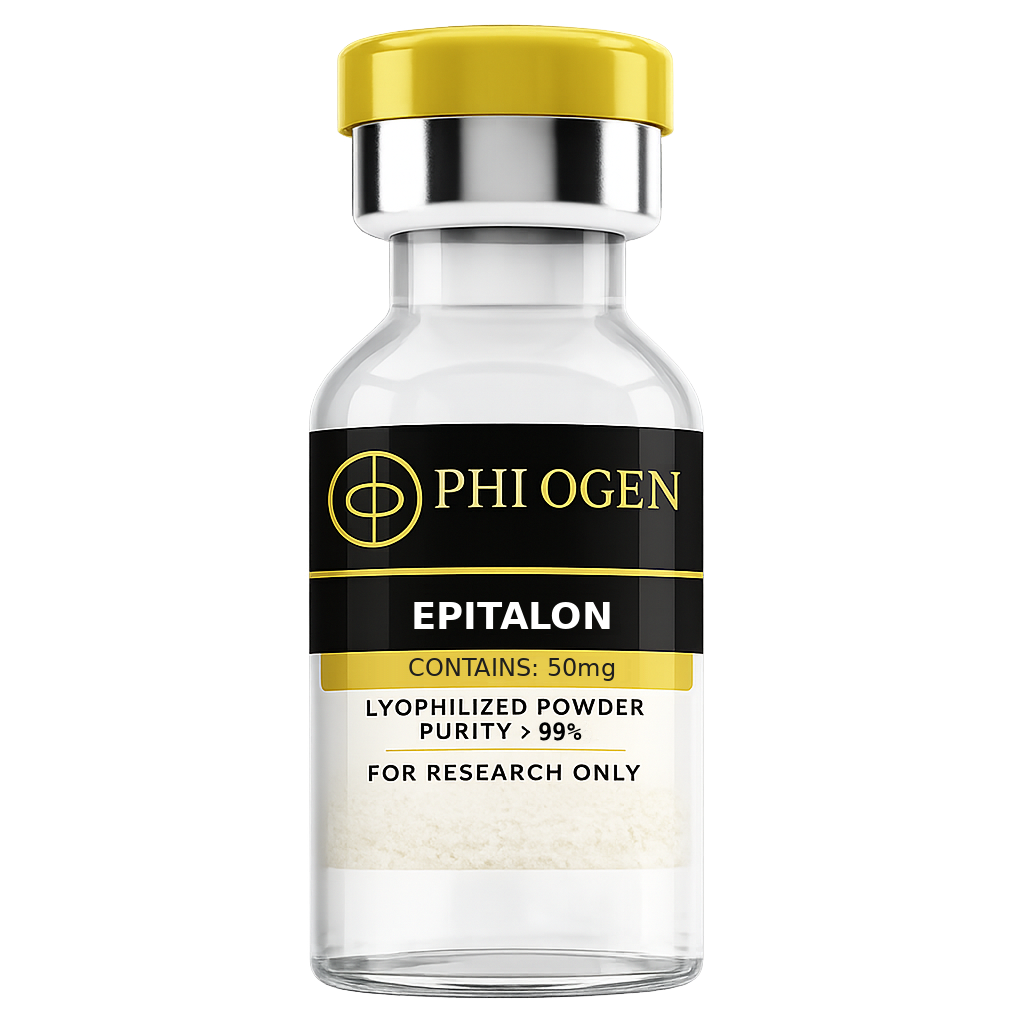
Epithalon 50mg
The telomere peptide — activates telomerase and extends telomere length for biological age reversal
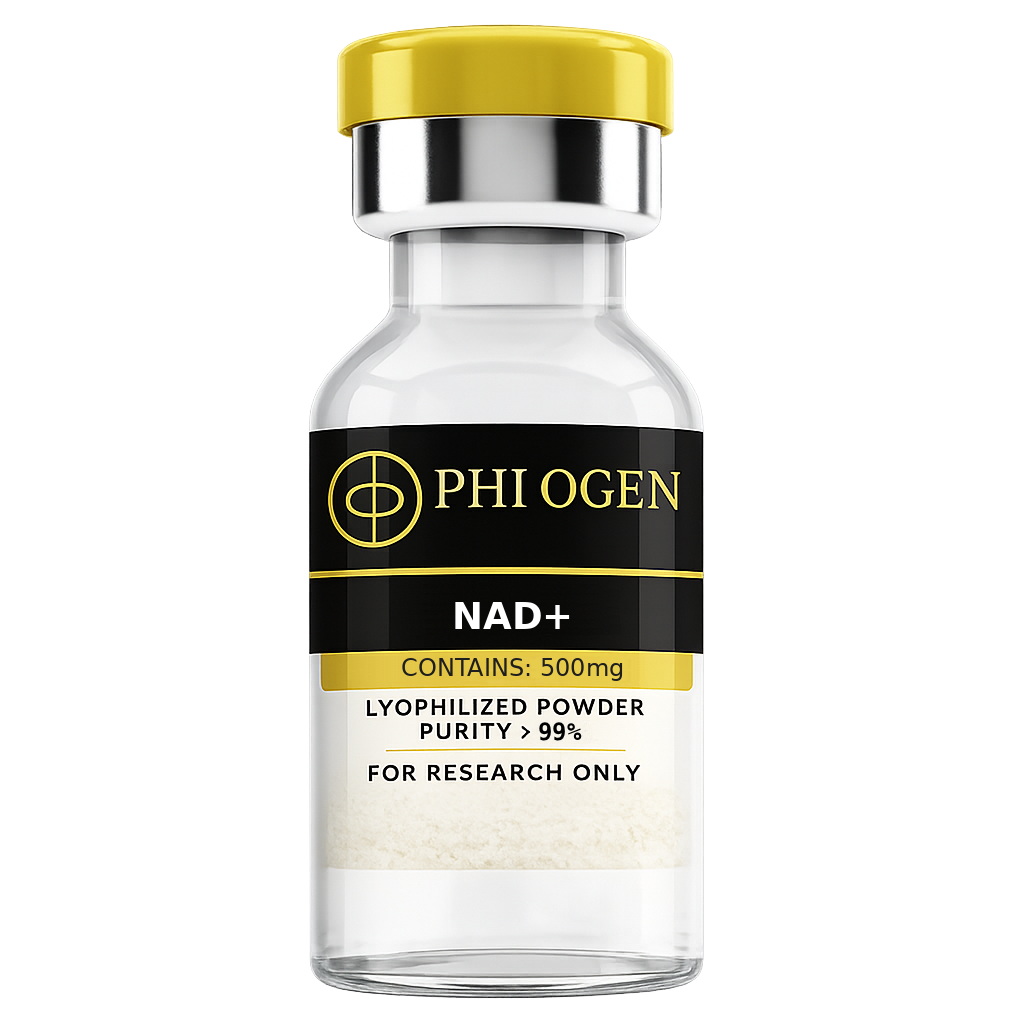
NAD+ 500mg
The mitochondrial co-enzyme — restores cellular energy production, DNA repair, and sirtuins activity
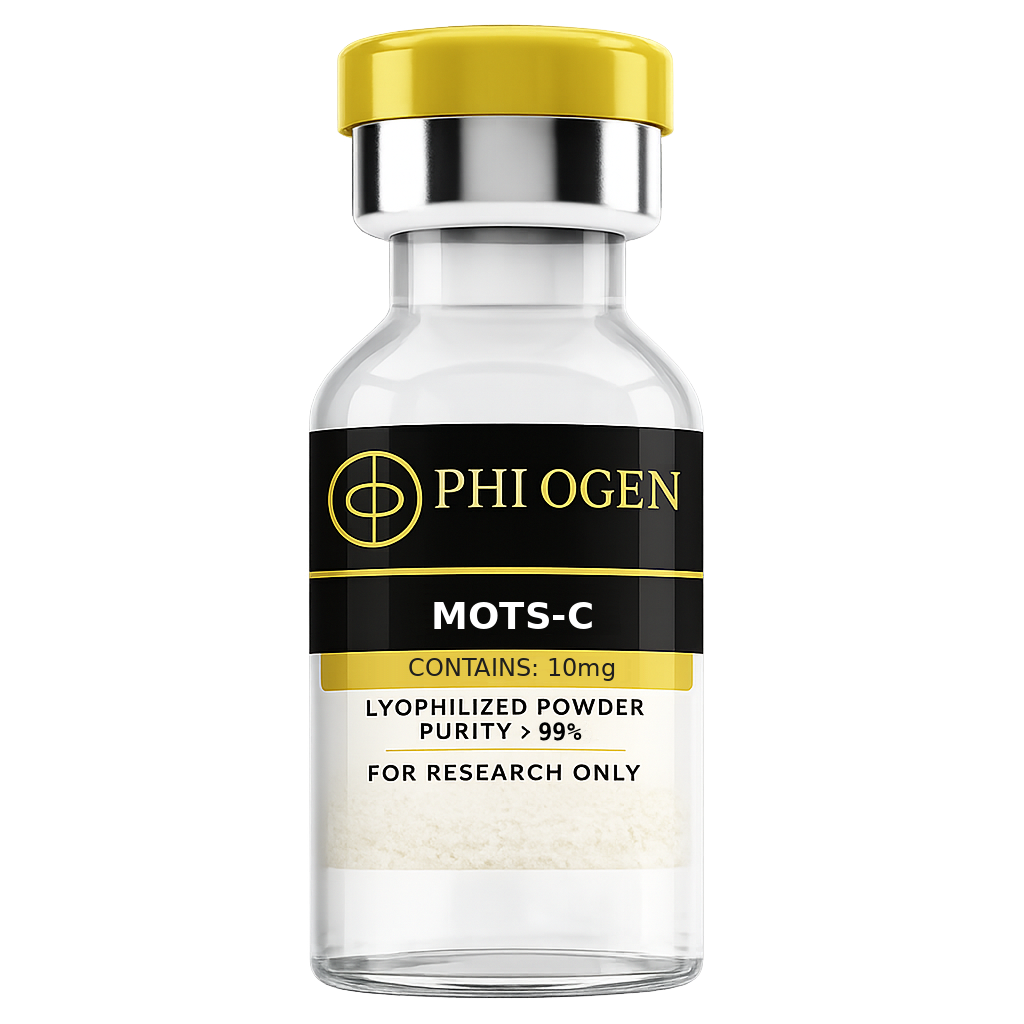
MOTS-c 10mg
Mitochondrial peptide — metabolic flexibility, insulin sensitivity, and exercise adaptation