How long until peptides
actually work?
The honest answer: it depends entirely on which peptide and what you're measuring. GLP-1s hit within 48 hours. Epithalon does essentially nothing you can feel until a week in. BPC-157 takes three months to fully rebuild damaged tissue. Here's what each category actually looks like on a calendar.
The one rule
Anything that affects signaling molecules directly (fat-loss peptides, Selank, PT-141) feels fast. Anything that works through tissue remodeling (healing, skin, anti-aging) takes weeks before you can see it and months before it's fully cashed in. Neither is a problem — they're just different clocks.
Timelines by peptide
Week 1
Reduced pain at injection site, early anti-inflammatory signal
Week 4
Noticeable improvement in the target injury. Range of motion returning.
Week 12
Full remodeling. Tendon, gut, or nerve tissue genuinely rebuilt.
Week 1
Deeper sleep is usually the first thing. Dreams come back for some people.
Week 4
Improved recovery between workouts. Skin quality starts shifting.
Week 12
Visible body composition changes. IGF-1 up on bloodwork.
Week 1
Appetite suppression within 48 hours. Food noise drops immediately.
Week 4
5–8 lb loss typical. Cravings almost absent at therapeutic dose.
Week 12
15–20% body weight reduction on track for most users.
Week 1
Nothing visible. Molecular work happening but not felt.
Week 4
Skin texture begins to improve. Wound healing acceleration.
Week 12
Visible reduction in fine lines, better overall skin quality.
Week 1
Acute anxiolytic effect usually felt same day. Calmer baseline.
Week 4
Stabilized mood. Sleep quality improvements if anxiety was disrupting it.
Week 12
Full accommodation. Some users pulse on/off rather than running continuous.
Week 1
Better sleep quality, deeper REM. Some users report vivid dreams.
Week 4
End of a typical 20-day cycle. Sleep and circadian improvements hold.
Week 12
Benefits are cumulative across annual cycles. Telomere data is long-horizon.
Why people give up too early
The most common mistake is judging a healing or GH peptide at week 2. At week 2, BPC-157 has barely had time to establish tissue concentration. CJC-1295 / Ipamorelin may have improved your sleep already, but the body composition changes aren't on the mirror yet. Pulling the plug here is like quitting a diet on day 10 because the scale hasn't moved.
Fat-loss peptides have the opposite problem. Semaglutide hits fast — appetite vanishes within a day or two — and users sometimes chase the feeling by escalating too quickly. The right dose is the one that suppresses food noise without nuking your calorie intake to unsustainable levels.
How to set realistic expectations
Commit to 12 weeks minimum for any healing, GH, or anti-aging peptide before evaluating effects.
Take bloodwork and progress photos at baseline. Memory is unreliable; numbers and pictures aren't.
Pick one target outcome per cycle. "Heal the shoulder" is trackable; "feel better" isn't.
Track sleep quality with a wearable or journal. It's often the first thing that moves on GH peptides.
Don't stack new compounds inside the 4-week assessment window — you'll never know what did what.
Fast-acting picks
If early signal matters to you — because you need to know the vial is real, or because you're feeling out whether peptides are for you — start with a compound whose effects show up in days, not months. See also the peptides-for-weight-loss and CJC-1295 / Ipamorelin guide for deeper dives.
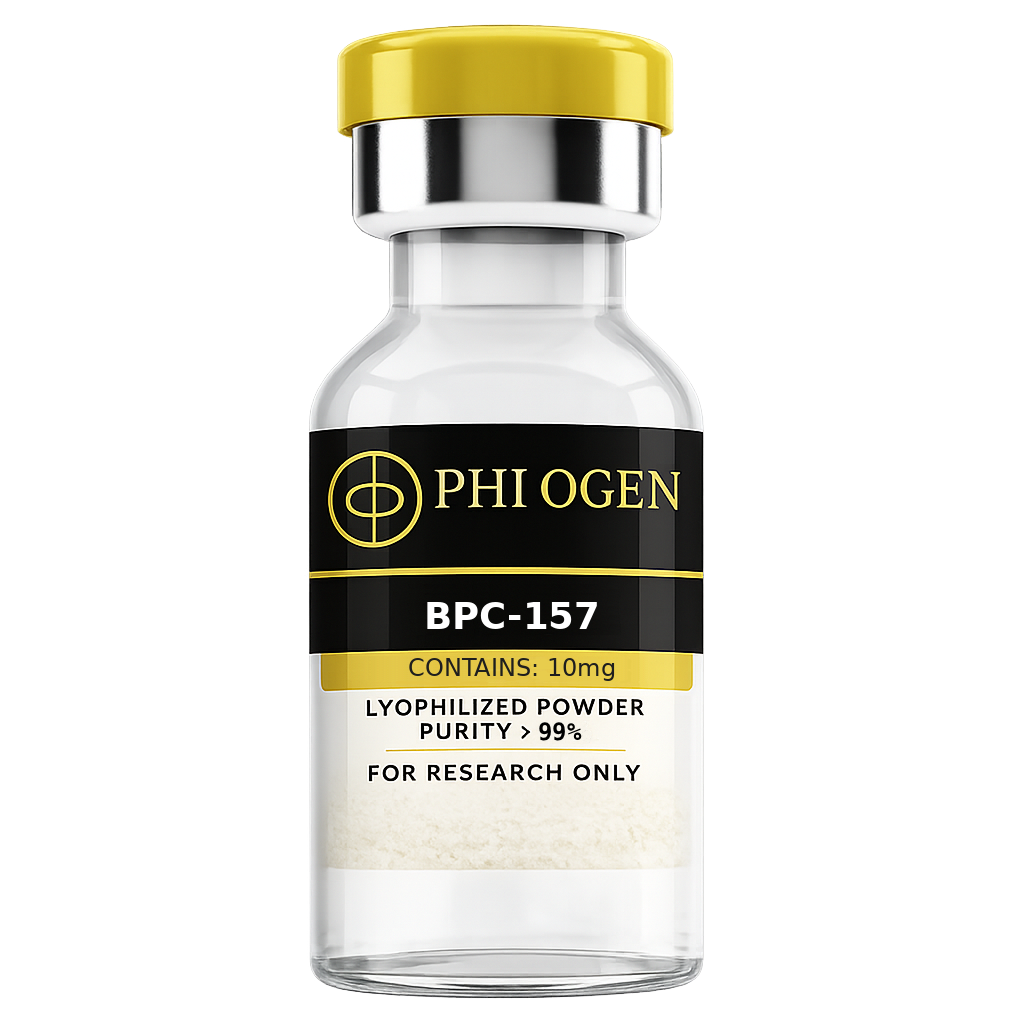
BPC-157 10mg
The body's own repair peptide — accelerates healing in tendon, muscle, gut, and nerve tissue
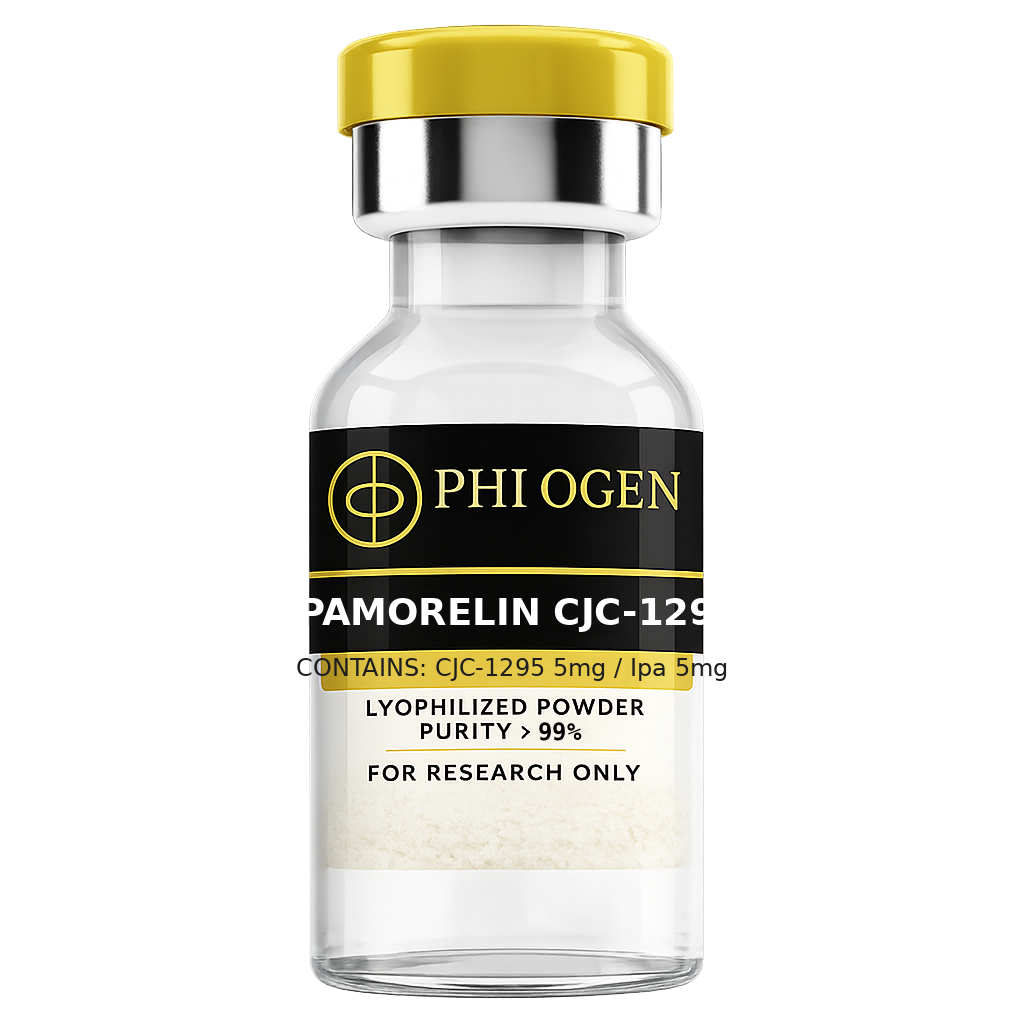
CJC-1295 / Ipamorelin
The gold standard GH stack — pulsatile growth hormone release without cortisol or prolactin elevation
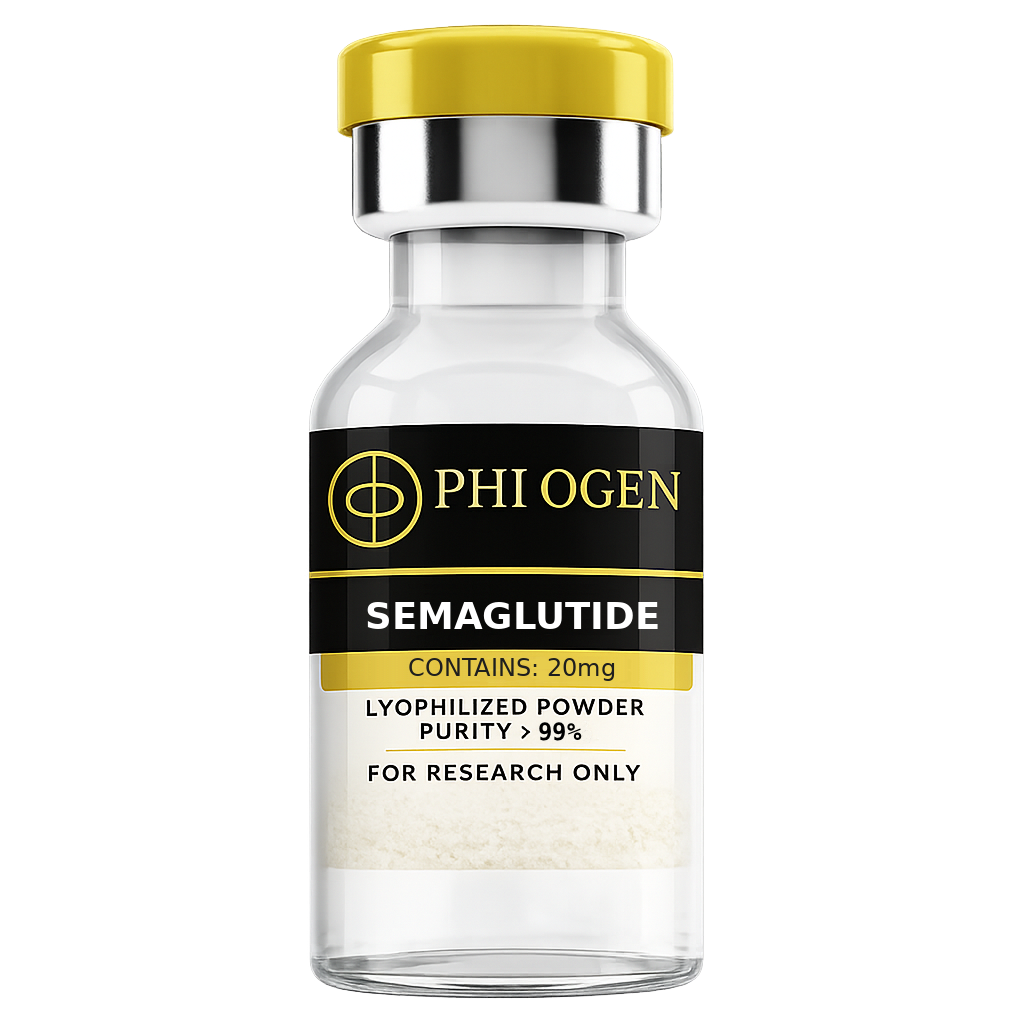
Semaglutide 20mg
Extended semaglutide supply for maintenance and long-term GLP-1 fat loss protocols