Peptide stacking 101:
combine without wasting money.
The most expensive mistake in peptide therapy isn't buying the wrong compound — it's buying five of them and running them all at once. A stack is not a shopping list. It's two or three compounds chosen because they cover different failure modes in the same body.
Core principle
A good stack targets different mechanisms toward the same goal. A bad stack targets the same mechanism from different angles, or different goals from the same budget.
The five rules
Different systems stack. Same systems compete.
BPC-157 (healing) and CJC-1295 (GH) act on entirely different tissues via different receptors. They stack cleanly. GHRP-2 and GHRP-6 both bind the same ghrelin receptor — running them together is just a more expensive single dose.
One variable at a time.
If you add three peptides on the same day, you'll never know which one did what. Add compounds 2–3 weeks apart minimum. Track sleep, training, and target outcome for each.
Stack within a goal, not across goals.
Running a fat-loss peptide, a healing peptide, a cognitive peptide, and a GH peptide in parallel is how people end up with no progress anywhere. Pick one theme per 12-week block and stack toward it.
Check injection sites, not just doses.
If you're running four subcutaneous peptides a week, your usable injection real estate matters. Rotate abdomen, thighs, and upper arms. Tissue damage from site overuse is an underrated source of "stopped working."
More peptides isn't more progress.
A two-peptide stack that hits both mechanisms you care about will outperform a five-peptide stack where three are overlapping or duplicative. Start narrow, justify additions.
Three stacks worth copying
The Recovery Stack
Injury repair, tendon / ligament issues, gut healthBPC-157 drives local angiogenesis and tissue signal. TB-500 mobilizes stem cells systemically. They cover different phases of the healing cascade — BPC handles the local repair, TB handles the body-wide reach.
The GH Stack
Body composition, sleep, recovery, anti-agingCJC-1295 / Ipamorelin pulses your own GH release. IGF-1 LR3 extends the downstream signal where it matters most (muscle tissue). Run IGF-1 only if you're training hard; otherwise the GH peptides alone are enough.
The Aesthetic Stack
Skin, hair, collagen, anti-agingGHK-Cu handles tissue-level skin and hair quality — collagen density, fine lines, hair follicle health. Epithalon works at the systemic / circadian level on sleep and cellular repair. They're complementary, not redundant.
Combinations that don't stack
Don't run together
- • GHRP-2 + GHRP-6 (same receptor)
- • Semaglutide + Tirzepatide (overlapping receptors)
- • Multiple GHRH analogs (CJC + Sermorelin + Tesamorelin)
- • Melanotan-I + Melanotan-II (both MC1R)
- • DSIP + other sleep peptides in the same night
Do run together
- • GHRH (CJC-1295) + GHRP (Ipamorelin)
- • BPC-157 + TB-500 (local + systemic)
- • GLP-1 + Cagrilintide (different pathways)
- • GHK-Cu + Epithalon (tissue + systemic)
- • BPC-157 + almost anything (no interactions)
Where to go next
See all curated stacks for pre-built combinations by goal, or the beginner guide if you're still on your first compound. Foundational products below.
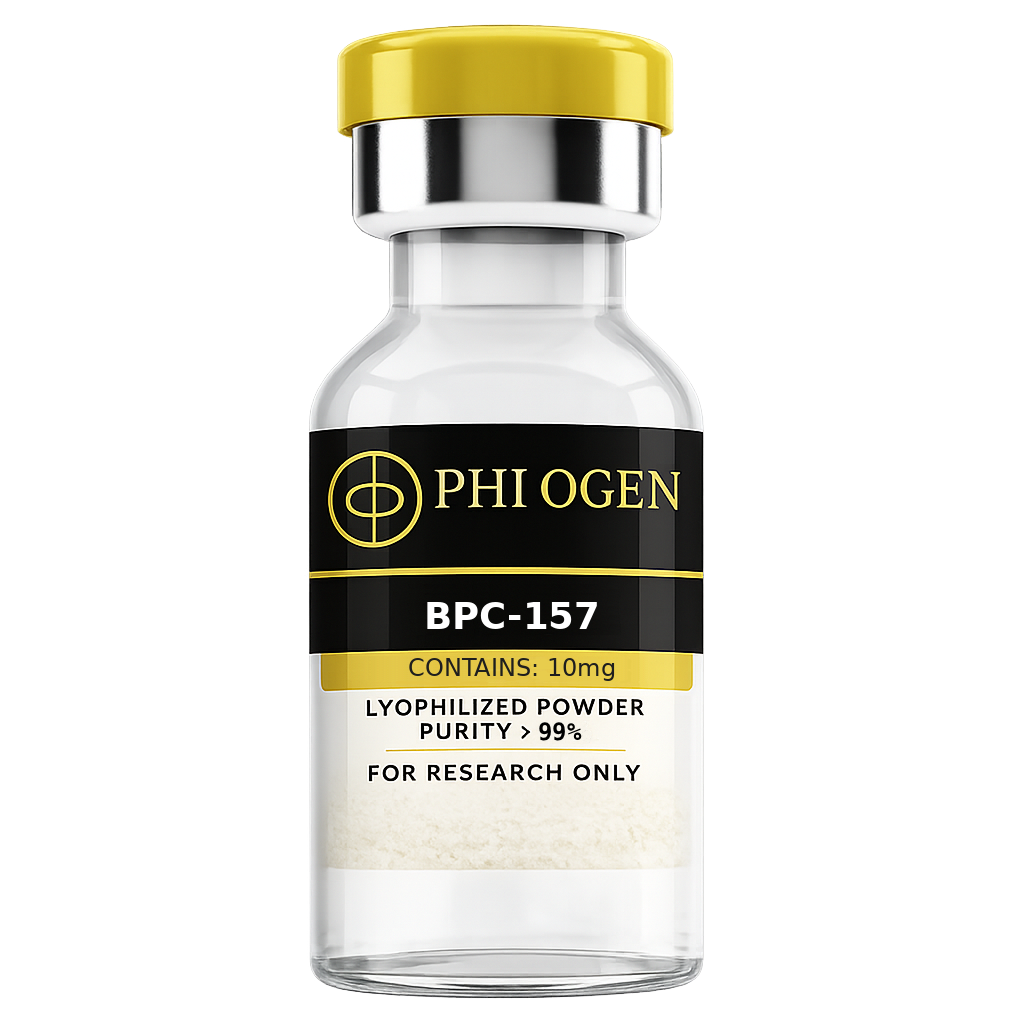
BPC-157 10mg
The body's own repair peptide — accelerates healing in tendon, muscle, gut, and nerve tissue
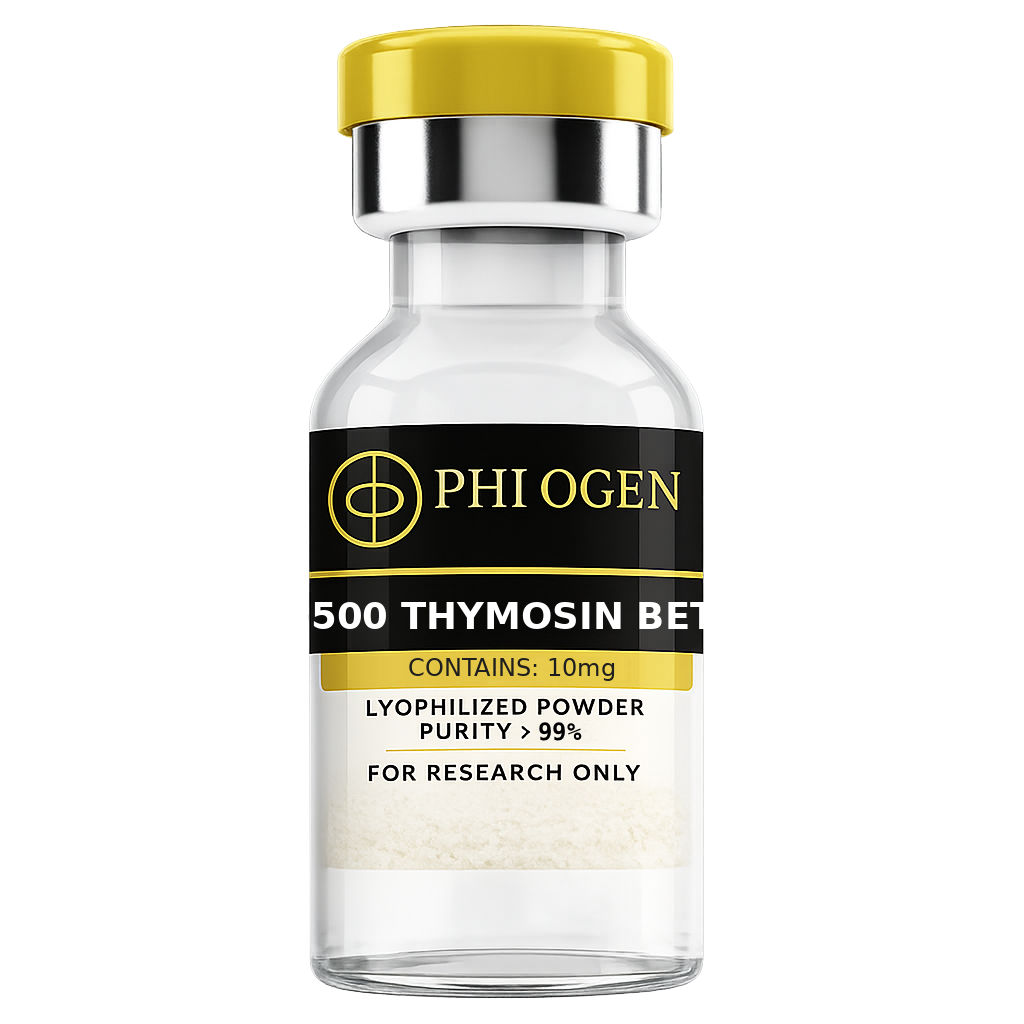
TB-500 10mg
Systemic tissue repair peptide — regenerates muscle, accelerates recovery, reduces inflammation body-wide
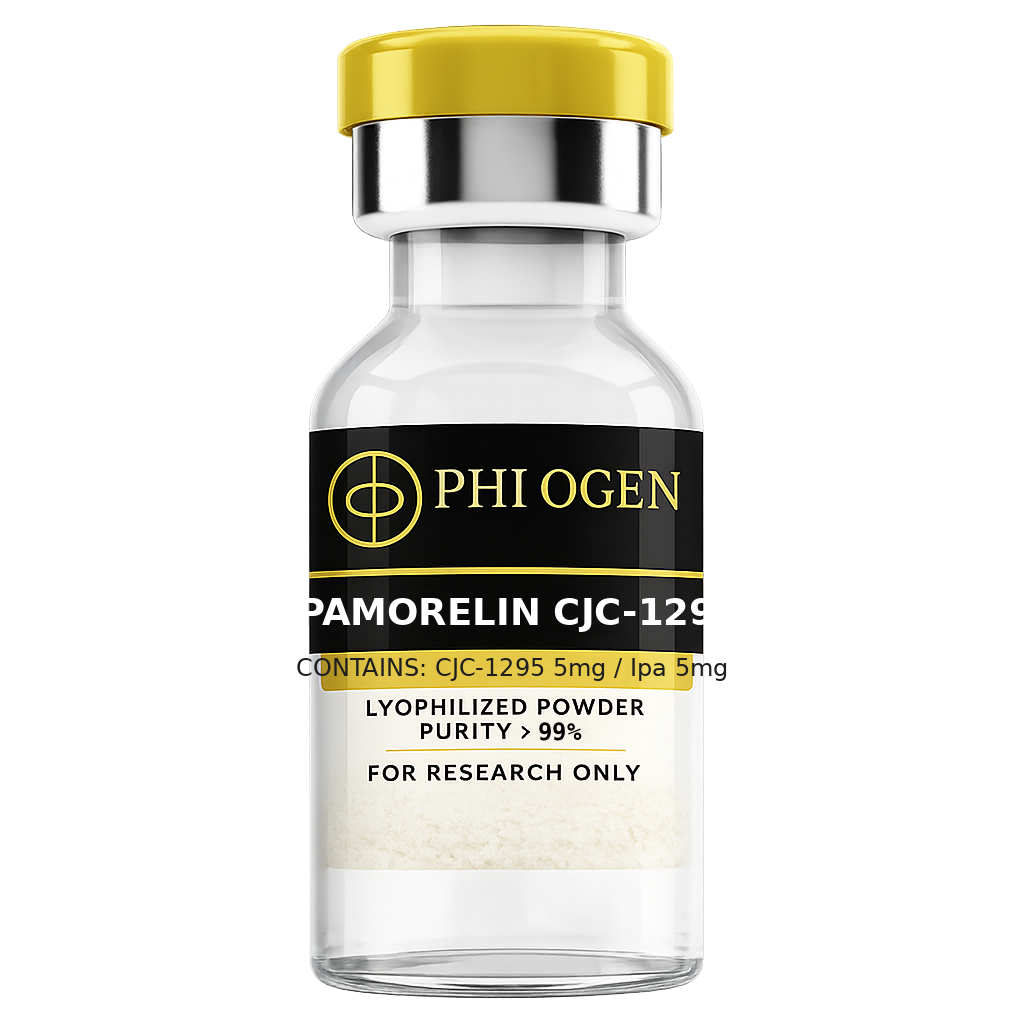
CJC-1295 / Ipamorelin
The gold standard GH stack — pulsatile growth hormone release without cortisol or prolactin elevation
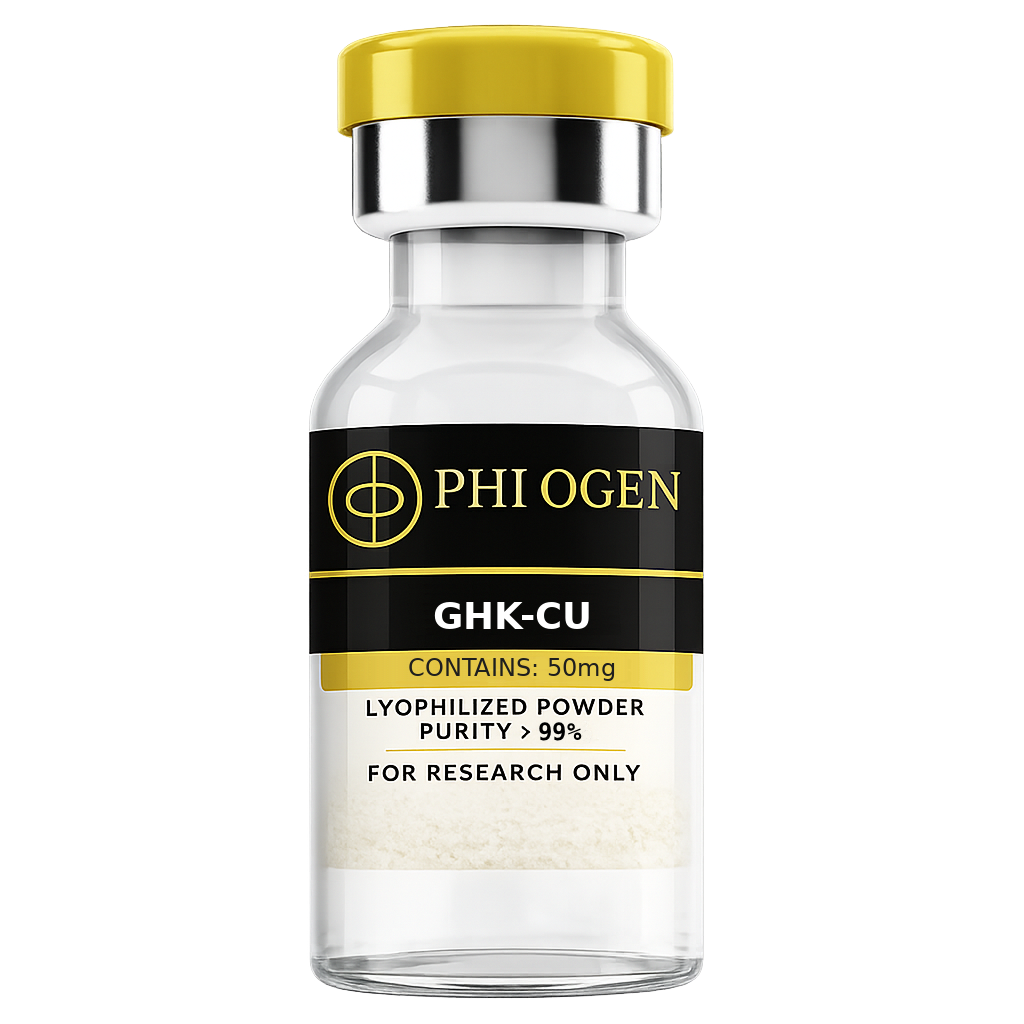
GHK-CU Copper Peptide 50mg
Copper tripeptide that regulates 4,000+ genes — anti-aging, wound healing, and collagen synthesis