BPC-157:
The Body's Own Repair Signal
It was found in human stomach acid. It heals tendons, rebuilds gut lining, and regenerates nerves. If you've ever had an injury that just won't close — this is probably why you're here.
"Researchers nicknamed it the Wolverine peptide for a reason."
BPC-157 (Body Protection Compound 157) is a 15-amino acid sequence extracted from human gastric juice. It doesn't force healing — it amplifies the signals your body is already sending and clears the bottlenecks slowing repair down.
What BPC-157 Actually Fixes
This is where BPC-157 built its reputation. Torn rotator cuffs, shredded ACLs, chronic Achilles issues — BPC-157 accelerates every phase. It floods the area with new blood vessels (angiogenesis) and upregulates growth hormone receptors in the fibroblasts already doing repair work. The tissue heals faster AND stronger.
BPC-157 was literally isolated from human gastric juice. It is native to your gut. IBD, leaky gut, NSAID-damaged stomach lining, Crohn's flares — oral BPC-157 hits these directly without needing injection. It heals intestinal fistulas and protects the gut wall against the inflammatory cascade that drives these conditions.
Peripheral nerve damage — the kind from surgeries, compression injuries, or severe trauma — typically heals slowly or not at all. BPC-157 changes this by promoting nerve regrowth, reducing neuroinflammation, and protecting dopamine and serotonin pathways. Some users report it helping with nerve pain that hadn't responded to anything else.
Unlike NSAIDs that just mute pain signals, BPC-157 modulates the actual inflammatory cascade. It reduces pro-inflammatory cytokines while keeping the healing response intact. You want some inflammation — it drives repair. BPC-157 keeps it productive and turns it off when the job is done.
How It Works (Without the Textbook)
Your body already knows how to heal. The problem is traffic jams — inflammation that runs too long, blood supply that never reaches the injury, fibroblasts that show up late. BPC-157 is essentially a traffic controller for the healing cascade.
It upregulates growth hormone receptors on the fibroblasts doing repair work. More receptors means more sensitivity to your existing GH signal — no exogenous GH needed. It also drives angiogenesis, the formation of new blood vessels to the injury site. This is crucial — tendons and cartilage are notoriously avascular (poor blood supply), which is exactly why they heal so slowly. BPC-157 fixes that.
For the gut specifically, it modulates the nitric oxide system. Nitric oxide regulates blood flow to the gut lining, drives the tight junction proteins that prevent leaky gut, and counteracts the prostaglandin-driven inflammation behind IBD and gastric ulcers. It works orally because it's native to the gastric environment — it wasn't engineered, it was extracted.
Dosing Protocol
| Phase | Dose | Timing | Notes |
|---|---|---|---|
| Week 1–2 | 250 mcg | Once daily, local injection near injury | Loading phase — establish tissue concentration |
| Week 3–8 | 250–500 mcg | Once daily, subcutaneous or local | Main repair window — most noticeable progress here |
| Week 9–12 | 250 mcg | Every other day | Maintenance — let remodeling complete |
| Gut protocol | 500 mcg | Oral, dissolved in water, morning empty stomach | Oral route preferred for GI conditions |
Reconstitution & Storage
Reconstitute with bacteriostatic water. Use 2mL per 10mg vial for easy 500mcg/0.1mL dosing. Refrigerate after reconstitution — stable 4–6 weeks. Lyophilized (dry) powder is shelf stable for years at room temp. Never freeze reconstituted peptide.
Real Questions, Straight Answers
Does it need to be injected?
For systemic or injury repair use — yes, subcutaneous injection gets it into systemic circulation fastest. For gut issues specifically, oral (mixed in water, swallowed) works well because BPC-157 survives stomach acid.
How fast does it actually work?
Most users notice acute pain reduction within 3–7 days. Structural tissue repair — tendons, ligaments — becomes noticeable by weeks 4–6. Full remodeling takes 12 weeks. Don't judge it at two weeks.
Does it need to be cycled?
There's no evidence of tolerance or receptor downregulation. Most protocols run 8–12 weeks for an injury, then stop. For maintenance or gut health, some people run it indefinitely at low dose. No consensus on mandatory cycling.
Can I stack it with TB-500?
Yes — this is the gold standard combination. BPC-157 handles local repair and angiogenesis. TB-500 mobilizes systemic stem cells and handles the broader healing coordination. Together they cover every phase of the cascade.
Get Started
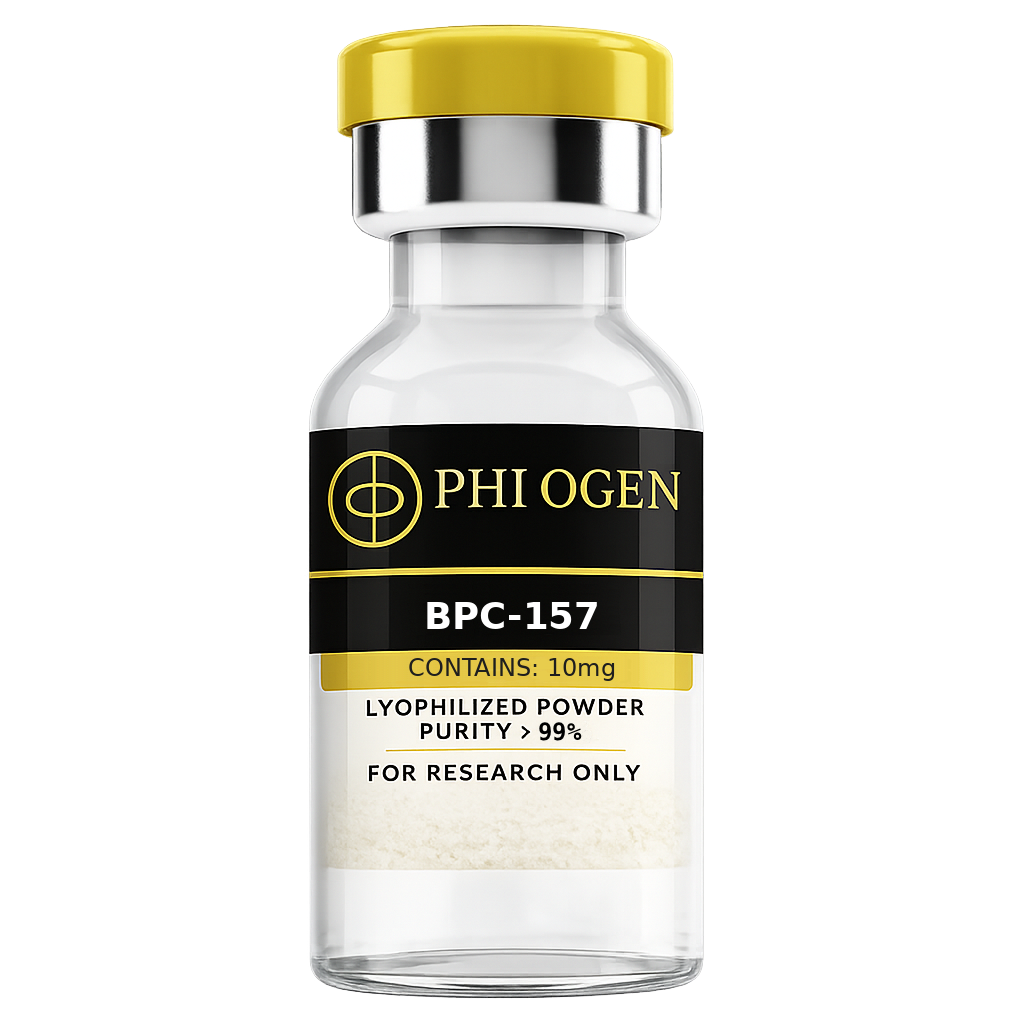
BPC-157 10mg
The body's own repair peptide — accelerates healing in tendon, muscle, gut, and nerve tissue
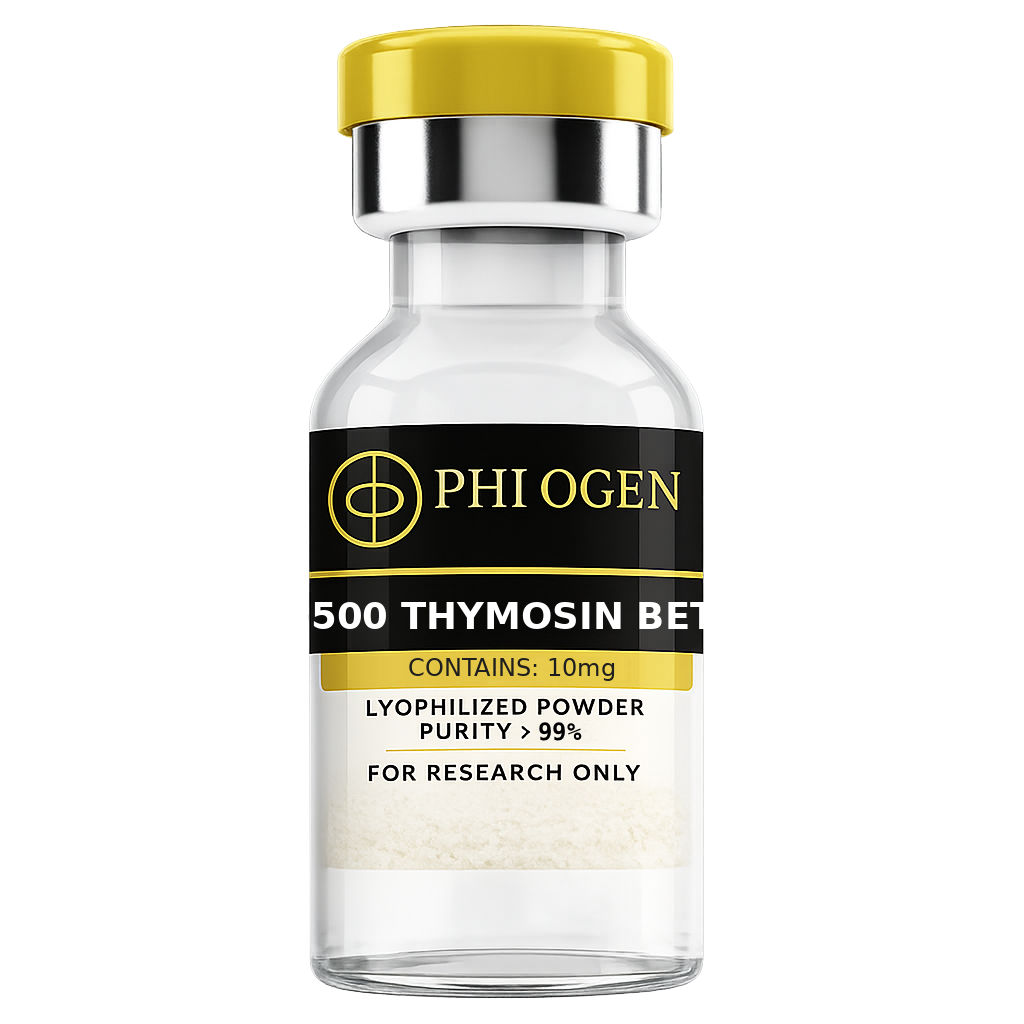
TB-500 10mg
Systemic tissue repair peptide — regenerates muscle, accelerates recovery, reduces inflammation body-wide
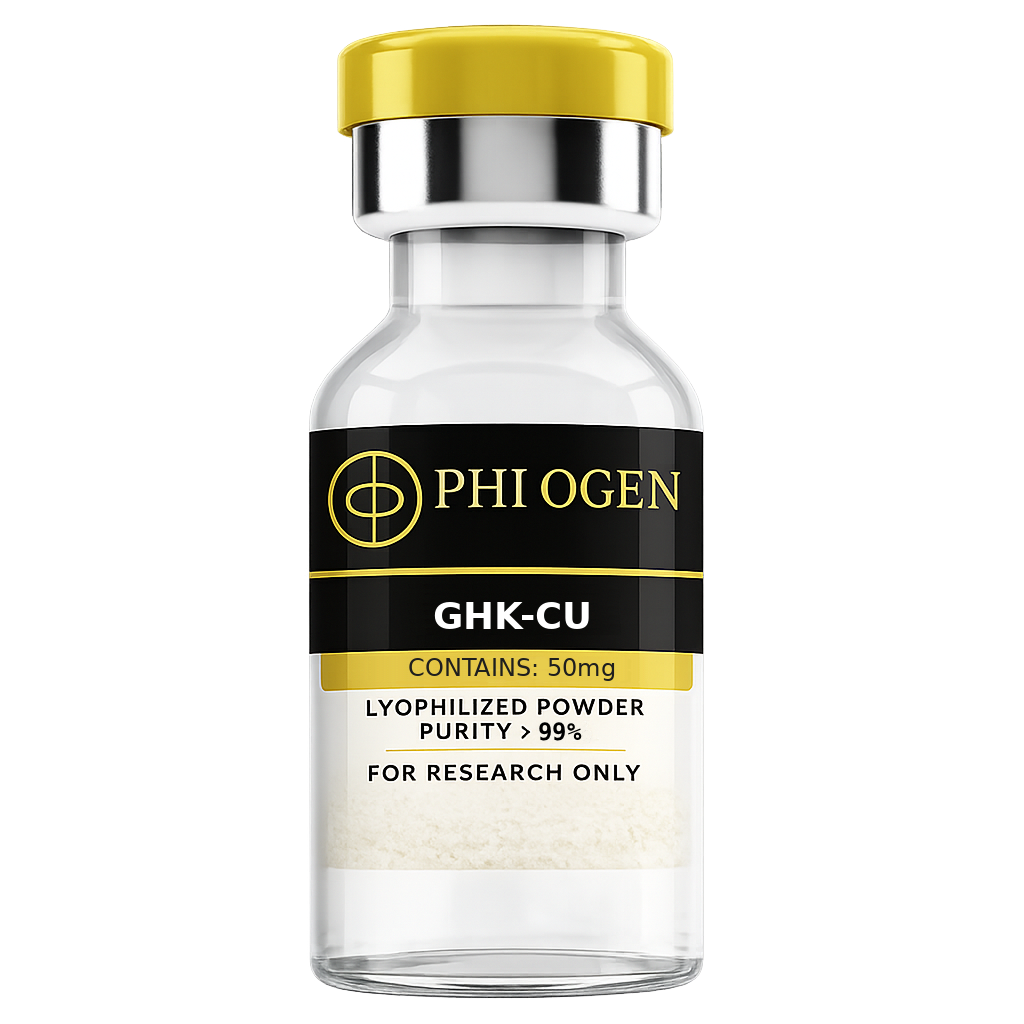
GHK-CU Copper Peptide 50mg
Copper tripeptide that regulates 4,000+ genes — anti-aging, wound healing, and collagen synthesis