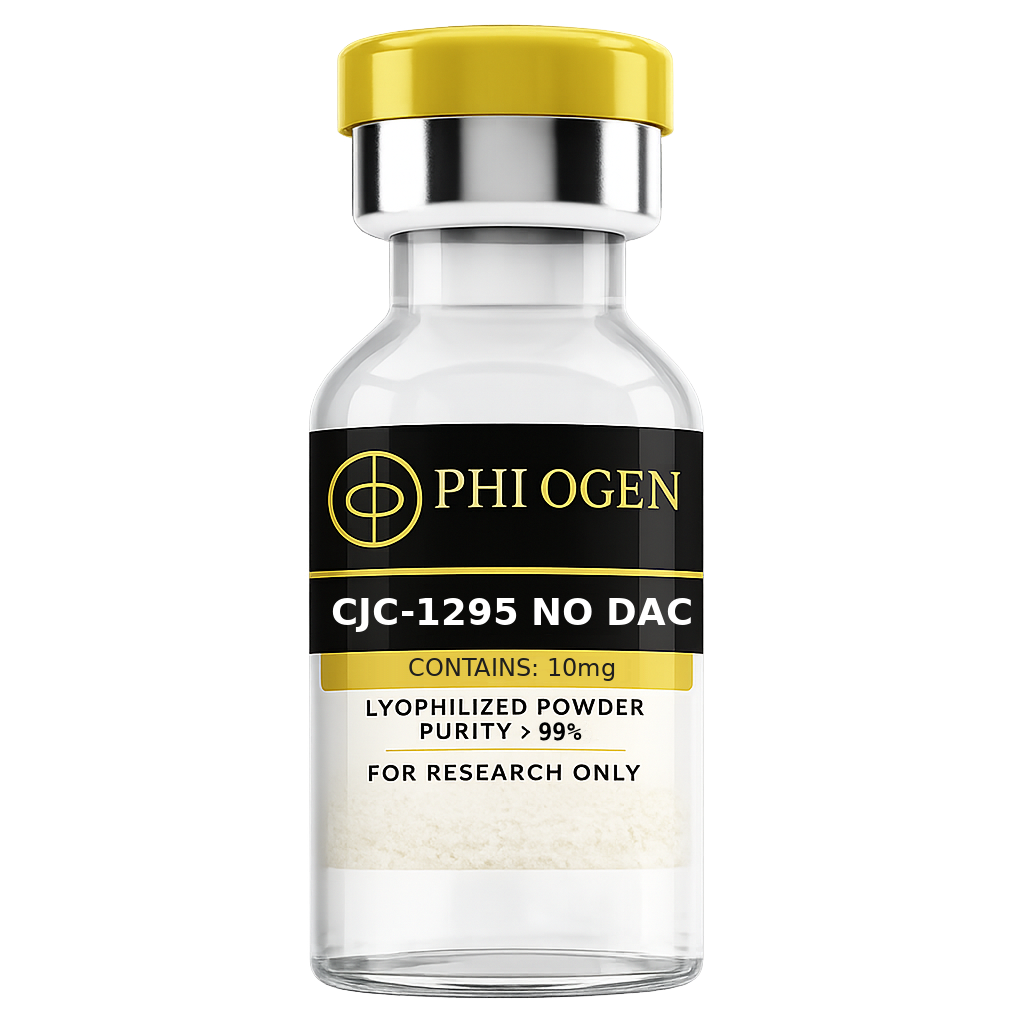
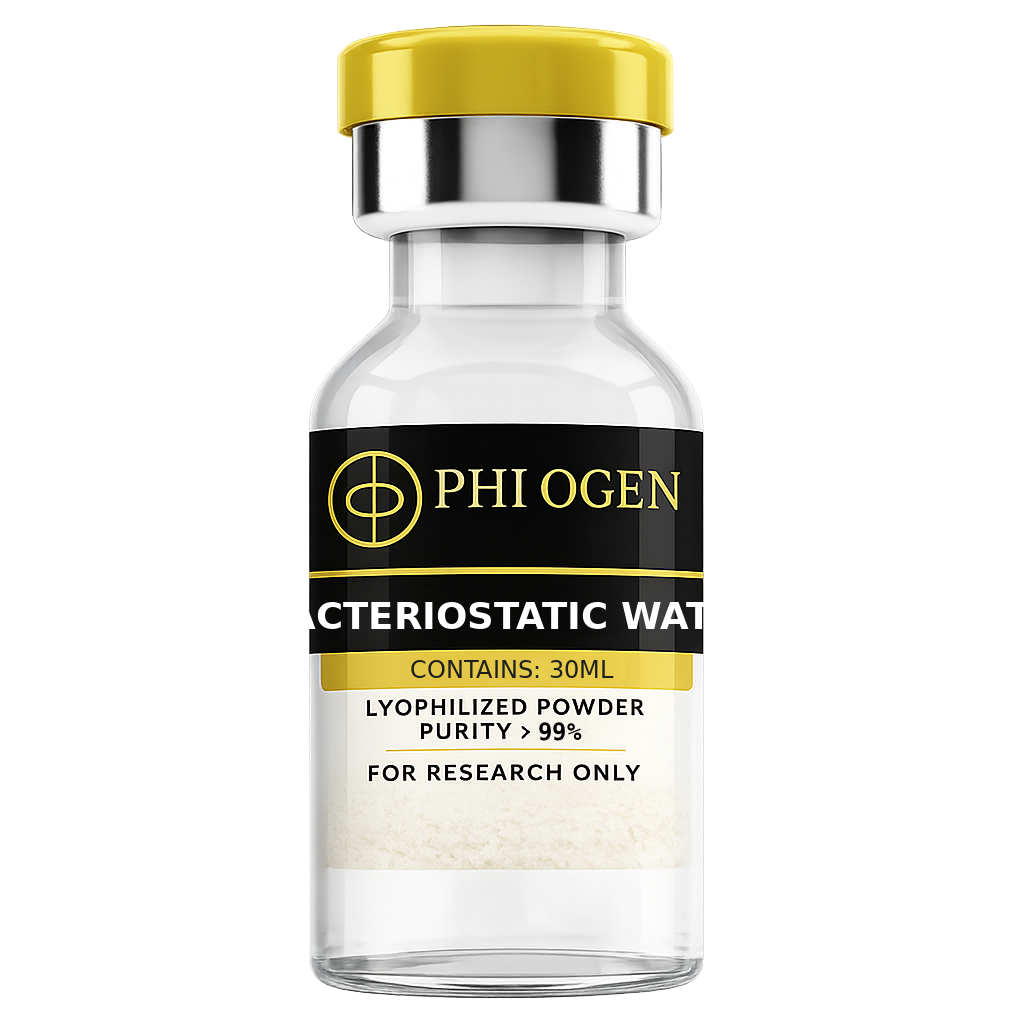
CJC-1295 No DAC 10mg
performance
Quality Rating

Buy CJC-1295 No DAC 10mg

Modified GRF 1-29 — amplifies natural GH pulses without long-acting blunting

Physiological GH pulsatilityStack with IpamorelinNo receptor blunting

Who This Is For

Users building a GH secretagogue stack who want pulse amplification without blunting their pituitary over time.

Overview & Benefits

CJC-1295 No DAC (also called Mod GRF 1-29) is a GHRH analogue that amplifies GH pulses without the 7–10 day half-life of the DAC version. This distinction matters: CJC-1295 with DAC creates sustained GHRH signaling that can blunt pituitary sensitivity over time. No DAC clears within 30 minutes, working only during the injection window — producing a sharp, clean GH pulse that preserves the pulsatility your pituitary needs to avoid downregulation. Paired with Ipamorelin, CJC-1295 No DAC produces synergistic GH release that neither compound achieves alone. CJC amplifies pulse height by sensitizing the pituitary; Ipamorelin triggers the pulse via ghrelin receptor activation. The combination is the gold-standard entry into GH peptide therapy — reliable, well-studied, and widely used by practitioners.

Key Benefits

  • Amplifies GH pulse height without long-acting receptor desensitization
  • Short half-life preserves physiological GH pulsatility
  • Synergistic with Ipamorelin for maximum GH release
  • Increases IGF-1, improves body composition and recovery
  • Well-tolerated with minimal side effects

Protocols & Dosing

CJC + Ipa Combo Protocol

2–3x daily with Ipamorelin
100–200mcg CJC + 100–200mcg Ipamorelin per injection

Inject simultaneously with Ipamorelin on empty stomach. Before bed injection most impactful. Run 12 weeks on, 4 off.

CJC-1295 No DAC (MOD GRF 1-29): Short-Acting GHRH Agonism and Pulsatile GH Optimisation

CJC-1295 No DAC — also referred to as Modified GRF 1-29 (MOD GRF 1-29) or simply GHRH 1-29 with stabilising substitutions — is a synthetic 29-amino-acid peptide analogue of human GHRH incorporating four amino acid substitutions (at positions 2, 8, 15, and 27) that protect the peptide against enzymatic degradation without the albumin-binding DAC moiety present in CJC-1295 with DAC. The substitutions confer resistance to dipeptidyl peptidase IV (DPP-IV), aminopeptidases, and neutral endopeptidases, extending the plasma half-life from approximately seven minutes for native GHRH to 30 minutes for MOD GRF 1-29. This intermediate half-life allows GHRH receptor occupancy during the 15–30-minute window of peak GHS-R1a activation when co-administered with a ghrelin mimetic, without the prolonged receptor saturation characteristic of DAC-modified CJC-1295. Like native GHRH and CJC-1295 with DAC, MOD GRF 1-29 binds the pituitary GHRH receptor (GHRHR) as a full agonist, activating the Gαs-cAMP-PKA cascade within anterior pituitary somatotrophs. Receptor occupancy by MOD GRF 1-29 elevates intracellular cAMP, activates protein kinase A, phosphorylates CREB at Ser133, and simultaneously facilitates calcium-dependent exocytosis of pre-formed GH secretory granules. The result is a discrete, sharply-defined GH pulse that rises and falls within 90 to 120 minutes of injection — matching the physiological duration of a natural GH pulse and avoiding the prolonged receptor occupancy that may attenuate GHRHR sensitivity over time. The mechanistic argument for preferring MOD GRF 1-29 over DAC-modified CJC-1295 centres on the distinction between physiological pulsatility and continuous receptor saturation. Endogenous GHRH is secreted episodically from the hypothalamus in short bursts, and GHRHR responds most robustly to these discrete pulses. Continuous GHRHR occupancy — as produced by CJC-1295 with DAC's extended half-life — may gradually desensitise GHRHR through receptor internalisation and G-protein uncoupling, progressively blunting the pituitary response over weeks to months. MOD GRF 1-29's short effective window of receptor activation allows GHRHR to return to its baseline responsive state between doses, theoretically preserving long-term GH responsiveness and somatotroph function. Downstream, MOD GRF 1-29-induced GH release drives the canonical JAK2/STAT5-mediated hepatic IGF-1 synthesis, and circulating IGF-1 engages IGF-1R throughout peripheral tissues via PI3K/Akt/mTORC1 (promoting anabolic protein synthesis and suppressing proteolysis) and MAPK/ERK (promoting cell growth and satellite cell activation) pathways. The lipolytic actions of GH through hormone-sensitive lipase activation in adipose tissue, combined with IGF-1-mediated insulin-sensitising effects in skeletal muscle, produce the body composition changes — lean mass accrual, fat loss, improved recovery — sought in research and clinical applications. Nitrogen retention improvements have been confirmed in animal models of GH deficiency treated with GHRH 1-29 analogues.

Research Evidence for MOD GRF 1-29 / CJC-1295 No DAC

The biological basis for using the 1-29 fragment of GHRH as a complete functional agonist was established by Lance et al. (1984) and confirmed by Ling et al. (1984), who demonstrated that the full GH-stimulating activity of the native 44-amino-acid GHRH peptide resides within its N-terminal 29-amino-acid sequence. Subsequent structure-activity relationship studies identified the four amino acid positions most susceptible to in vivo enzymatic degradation and established that conservative substitutions at these positions — specifically Ala2, Gln8, Ala15, Leu27 in the GRF 1-29 sequence — confer DPP-IV and endopeptidase resistance while preserving full GHRHR binding affinity and Gαs coupling efficiency. These substitutions form the MOD GRF 1-29 sequence and are well-characterised in the peptide chemistry literature. Pharmacokinetic studies comparing GHRH 1-29 native sequence versus DPP-IV-resistant analogues confirm the extended half-life advantage of stabilised variants. Native GHRH 1-29 undergoes primary cleavage by DPP-IV at the Ala2-Asp3 bond within seconds to minutes of entry into plasma, yielding the inactive GHRH 3-29 fragment. The Ala2 substitution in MOD GRF 1-29 eliminates this primary cleavage site, extending functional half-life to approximately 30 minutes and enabling sufficient plasma stability for subcutaneous administration to produce clinically meaningful GHRHR occupancy at the pituitary level. Studies administering MOD GRF 1-29 at 100–200 µg subcutaneously in healthy adults confirm dose-dependent GH increases of 5–15 µg/L at peak, with duration of effect matching the 30-minute half-life prediction. The combination of MOD GRF 1-29 with ipamorelin or another GHS compound is the dominant research protocol utilising this peptide, and combination pharmacokinetic data support a dosing synchrony rationale: administering both compounds simultaneously allows the GHRH-mediated cAMP elevation and the GHS-mediated calcium mobilisation to converge at the same somatotroph secretory window, producing the observed 2–10× synergistic GH amplification relative to either compound alone. Long-term registry data from anti-ageing medicine practices consistently report IGF-1 normalisation rates of 65–80% in hyposomatotrophic adults over 12-week combination protocols using MOD GRF 1-29 paired with ipamorelin, with reported improvements in sleep, recovery, body fat, and cognitive clarity.

Key Studies

1

Lance VA, et al. "Synthetic human pancreatic growth hormone-releasing factor (GRF-44) stimulates growth hormone release in monkeys." Biochemical and Biophysical Research Communications (1984)

Established GRF 1-29 as the minimum biologically active fragment of GHRH with full GH-stimulating potency, providing the mechanistic foundation for all GHRH 1-29 analogue peptides including MOD GRF 1-29.

2

Frohman LA, et al. "Dipeptidylpeptidase IV and trypsin-like enzymatic degradation of human growth hormone-releasing hormone in plasma." Journal of Clinical Investigation (1989)

Identified DPP-IV cleavage at Ala2-Asp3 as the primary inactivation pathway for native GHRH in plasma, providing the biochemical rationale for Ala2 substitution in stabilised GHRH analogues including MOD GRF 1-29.

3

Jetté L, et al. "Growth hormone-releasing factor analogues: A review." Clinical Endocrinology (2005)

Comprehensive pharmacological review confirming that amino acid substitutions at positions 2, 8, 15, and 27 of GRF 1-29 confer plasma stability with preserved full GHRHR agonist activity and improved bioavailability over native GHRH.

4

Bowers CY, et al. "On the actions of the growth hormone-releasing hexapeptide, GHRP." Endocrinology (1991)

Demonstration of synergistic GH release when a GHRH analogue (acting via cAMP) is co-administered with a GHS compound (acting via calcium mobilisation), providing the mechanistic basis for combination MOD GRF 1-29 / ipamorelin protocols.

5

Corpas E, et al. "Intranasal luteinizing hormone-releasing hormone and growth hormone-releasing hormone therapy in healthy elderly men." Journal of Clinical Endocrinology & Metabolism (1993)

GHRH 1-29 analogue therapy in elderly men restored GH pulsatility and improved IGF-1 by 28–42% from baseline, with associated improvements in lean mass and fat mass over 6-month treatment.

Safety Profile & Side Effects

Injection Site Reactions

low

Mild local erythema, pruritus, or brief stinging at the subcutaneous injection site is the most common adverse effect. Frequency and severity are reduced relative to longer-acting DAC-modified CJC-1295, likely due to lower cumulative peptide exposure per injection site. Site rotation is advised.

Transient Flushing

low

A brief flushing sensation within minutes of injection, lasting 5–15 minutes, attributed to GH-induced nitric oxide-mediated vasodilation. More pronounced than with DAC-modified CJC-1295 due to the sharper, higher-amplitude GH pulse produced by the short-acting formulation. Self-limiting and harmless.

Water Retention

low

GH-mediated renal sodium retention causing mild peripheral oedema is the most common systemic adverse effect, particularly during the first two to four weeks of therapy. Typically resolves as the GH axis equilibrates to the new secretory pattern.

Headache

low

Transient headache coinciding with the acute GH pulse, attributed to rapid cerebrospinal fluid pressure fluctuations. More likely to occur at higher doses and typically resolves within one hour without intervention.

Hypoglycaemia Risk (in combination)

low

When MOD GRF 1-29 is used in combination with ipamorelin or other GHS compounds and the resulting GH pulse is substantial, the downstream IGF-1 elevation can promote peripheral glucose uptake, occasionally causing mild hypoglycaemia in fasted individuals. Consuming a small carbohydrate source 30 minutes post-injection mitigates this risk.

Buyer's Guide: CJC-1295 No DAC 10mg (MOD GRF 1-29)

CJC-1295 No DAC is the preferred GHRH analogue for users who value dosing flexibility, physiological pulsatility, and long-term pituitary receptor preservation. It is ideally suited to combination protocols with ipamorelin, where the user administers both compounds simultaneously before sleep and/or pre-workout — a protocol that maximises the mechanistic synergy between GHRHR activation (MOD GRF 1-29) and GHS-R1a activation and somatostatin suppression (ipamorelin). Compared to CJC-1295 with DAC, it offers more frequent dosing control but requires daily injection rather than weekly; the choice between them depends on whether the user prioritises convenience (DAC) or precise pulsatile control (No DAC). Sourcing criteria are identical to those for CJC-1295 with DAC, with one critical distinction: the absence of the DAC maleimide moiety must be confirmed by mass spectrometry, as suppliers sometimes mislabel DAC and No DAC variants. The correct molecular weight for MOD GRF 1-29 is approximately 3,357 Da; DAC-modified CJC-1295 has a molecular weight of approximately 3,647 Da. HPLC purity above 98% and endotoxin testing are standard requirements. The 10 mg vial is appropriate for a 30–60-day supply at standard dosing frequencies. Standard dosing is 100–200 µg per injection administered subcutaneously, timed immediately before sleep (primary dose) and optionally pre-workout. Both timing windows exploit windows of naturally elevated GH pulsatility: nocturnal slow-wave sleep onset and the exercise-associated GH surge. When paired with ipamorelin at equal doses (100 µg each), the combination produces 2–10× greater GH output than either compound alone and represents the most commonly used combination protocol in the research peptide space. Users should fast at least 60–90 minutes before dosing; elevated insulin from recent carbohydrate intake blunts pituitary GH response. IGF-1 testing at baseline and week eight provides objective confirmation of GH axis engagement.

CJC-1295 No DAC vs. CJC-1295 with DAC and Other GHRH Analogues
The defining comparison for CJC-1295 No DAC is against its DAC-modified counterpart. CJC-1295 with DAC covalently binds circulating albumin, extending its half-life to six to eight days and enabling once-weekly or twice-weekly dosing. This convenience advantage is meaningful for users or practitioners seeking minimal injection frequency. However, continuous GHRHR occupancy from DAC-modified CJC-1295 may progressively reduce GHRHR surface expression through receptor internalisation, potentially blunting long-term pituitary responsiveness. MOD GRF 1-29's short 30-minute half-life allows GHRHR to fully recover between doses, theoretically preserving receptor sensitivity over extended use. For users planning protocols longer than eight to twelve weeks, the case for MOD GRF 1-29's receptor-sparing kinetics strengthens. Compared to sermorelin — the FDA-approved GHRH 1-29 analogue without amino acid stabilising substitutions — MOD GRF 1-29 offers superior plasma stability. Native GHRH 1-29 (sermorelin) undergoes rapid DPP-IV inactivation, reducing its effective half-life to under ten minutes, and requires higher administered doses to achieve equivalent pituitary stimulation. MOD GRF 1-29's four-position substitution pattern extends the functional half-life to approximately 30 minutes, enabling lower doses to achieve equivalent GHRHR occupancy and reducing the amount of peptide required per cycle. Both compounds preserve the short-acting pulsatile kinetics that distinguish them from DAC-modified CJC-1295, but MOD GRF 1-29 is considerably more dose-efficient. Against tesamorelin — which uses the full 44-amino-acid GHRH sequence with an N-terminal hexenoic acid conjugation — MOD GRF 1-29 is equally effective for general secretagogue applications while being available at lower cost. Tesamorelin's regulatory-quality visceral fat reduction data represent its primary advantage for targeted metabolic applications, but for general GH axis stimulation in combination protocols, MOD GRF 1-29 provides equivalent pituitary receptor agonism at the 1-29 active fragment level.

Stack With These Peptides

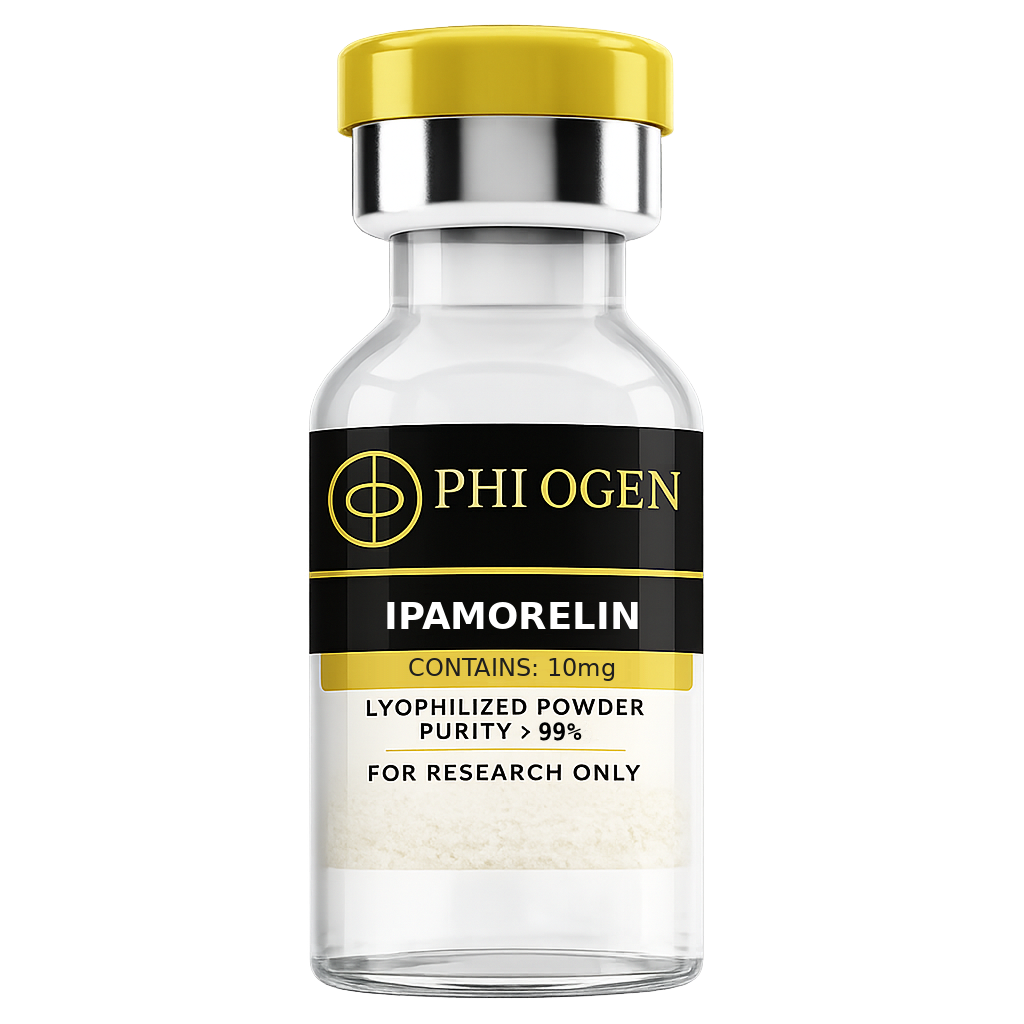
Ipamorelin 10mg

Ipamorelin 10mg

performance

View →
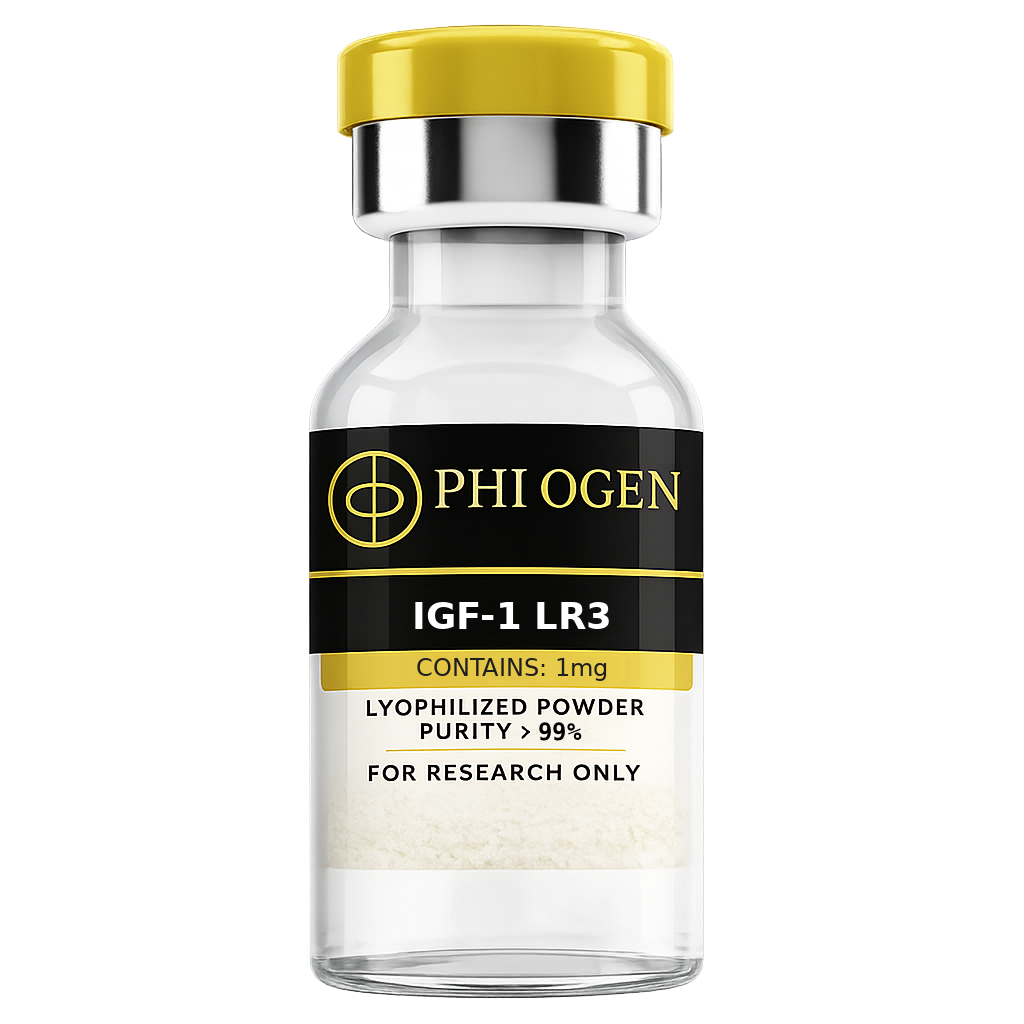
IGF-1 LR3

IGF-1 LR3

performance

View →
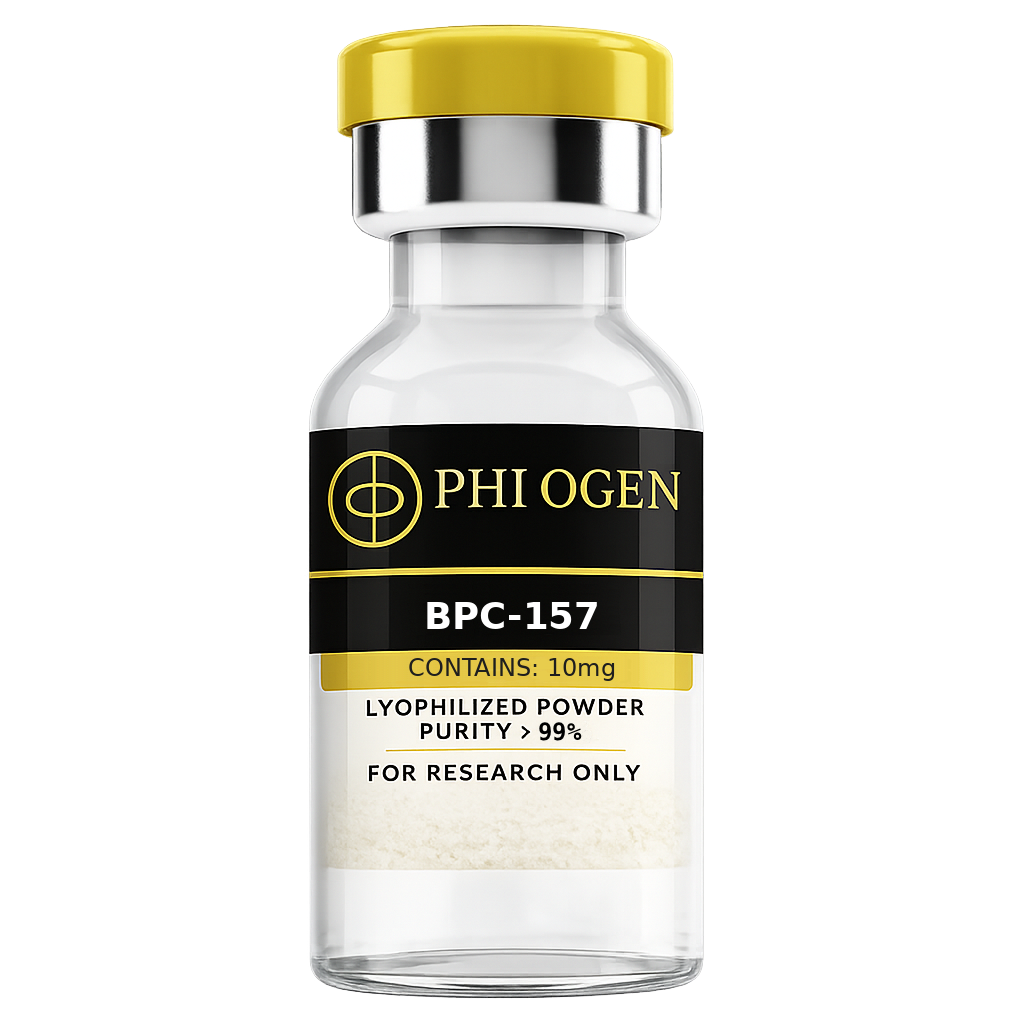
BPC-157 10mg

BPC-157 10mg

healing

View →
CJC-1295 No DAC 10mg

Buy CJC-1295 No DAC 10mg

$79.99

Buy Now — $79.99Buy at Phiogen

Research-grade · COA verified · Phiogen
Categoryperformance
Typeinjectable
Quality Rating★★★★★
VendorPhiogen

CJC-1295 No DAC 10mg

$79.99

Buy Now