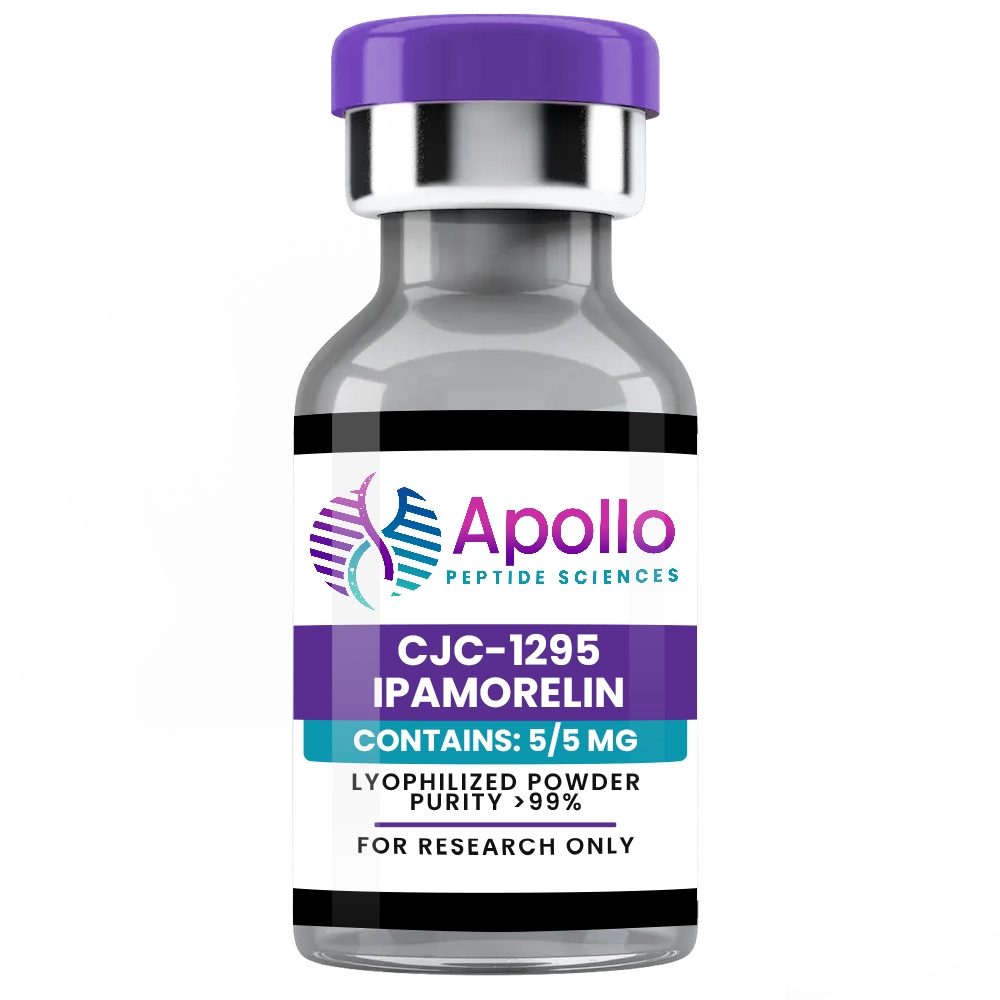
GLP-1 S 15mg
fat loss
Quality Rating

Buy GLP-1 S 15mg

Maximum supply semaglutide vial — for sustained protocols at full therapeutic doses

Full 2.4mg/week dose6-week supplyBest cost per mg

Who This Is For

Experienced semaglutide users who are fully titrated and committed to running the maximum clinical dose for maximum fat loss results.

Semaglutide 15mg — Maximum Dose Protocol

The highest-supply semaglutide vial — optimized for users running at or near the 2.4mg/week clinical maximum used in the STEP weight loss trials.

Supply at 2.4mg/wk

6.25 weeks

full clinical dose

STEP 1 trial result

14.9% BWL

avg at 68 weeks

Top responders

20%+ BWL

individual variance

Cost vs. 5mg vial

Lowest $/mg

best value option

Protein requirement

1.6g/kg LBM

minimum at this dose

Phase

Maintenance only

must be titrated first

Overview & Benefits

The STEP 1 trial produced 14.9% average body weight loss at 68 weeks. That number comes from participants running 2.4mg/week — the maximum clinical dose. The 15mg vial is for users who are ready to run that exact protocol: fully committed, fully titrated, and focused on extracting the maximum fat loss that semaglutide can deliver. This is not the starting vial. This is the one you buy when you've made the decision to do this properly. At 2.4mg/week, the appetite suppression is substantial. Most users at this dose find that the challenge shifts from "how do I eat less" to "how do I make sure I eat enough protein." The hypothalamic signaling is strong enough that food simply loses its urgency — which is the mechanism working exactly as intended, but requires deliberate management. Minimum 1.6g of protein per kilogram of lean body mass daily is non-negotiable at this dose level. The 14.9% average weight loss in the trials included muscle alongside fat in some participants; the high responders who avoided muscle catabolism were eating adequate protein and, in many cases, training. The individual response variance at 2.4mg/week is worth understanding. The 14.9% is a mean — higher responders in the STEP trials achieved 20%+ total body weight loss. The magnitude of response correlates with baseline BMI, dietary structure, and whether the user is providing a genuine anabolic stimulus through training. For users pairing this with CJC-1295/Ipamorelin, the GH peptide's lean mass support allows more aggressive fat loss without the catabolism risk that typically accompanies deep caloric deficits. This vial also represents the best cost structure in the semaglutide range. If you're running long-term — 3 to 6 months of sustained protocol at or near full dose — the 15mg option delivers maximum supply efficiency and the lowest cost per milligram available.

Key Benefits

  • Runs the exact 2.4mg/week dose used in the STEP trials that produced 14.9% weight loss
  • Maximum appetite suppression — appetite drive at this dose is genuinely blunted for most users
  • Lowest cost-per-mg across the entire semaglutide range
  • High responders in trials achieved 20%+ total body weight loss at this dose level
  • Pairs with CJC-1295/Ipamorelin to prevent muscle catabolism during aggressive deficit
  • Covers 6+ weeks at full 2.4mg/week dose — ideal for the final phase of extended protocols
  • Maximum food reward signal reduction — strongest support for sustained dietary compliance

Protocols & Dosing

Full Therapeutic Protocol

Once weekly
2.4mg subcutaneous — abdomen, thigh, or upper arm

Only for fully titrated users. Ensure minimum 1.6g protein/kg lean body mass daily to prevent muscle catabolism. Pair with GH peptides for body recomp vs. simple fat loss.

How Semaglutide Works: GLP-1 Receptor Agonism and Energy Homeostasis

Semaglutide is a synthetic analogue of human glucagon-like peptide-1 (GLP-1), an incretin hormone secreted predominantly by L-cells of the distal small intestine in response to nutrient ingestion. Native GLP-1 has a plasma half-life of roughly 2 minutes owing to rapid degradation by dipeptidyl peptidase-4 (DPP-4) and neutral endopeptidase. Semaglutide circumvents this limitation through two critical structural modifications: a C-18 fatty diacid chain attached via a linker to lysine at position 26, enabling reversible, high-affinity binding to albumin, and two amino-acid substitutions (Aib at position 8 and arginine at position 34) that confer near-complete DPP-4 resistance. The result is a half-life exceeding 165 hours, enabling once-weekly subcutaneous dosing with remarkably stable plasma concentrations. At the cellular level, semaglutide engages the GLP-1 receptor (GLP-1R), a class B G-protein-coupled receptor expressed in pancreatic beta-cells, hypothalamic nuclei, vagal afferents, gastric parietal cells, cardiac myocytes, and adipose tissue. Receptor occupation triggers Gs-mediated adenylyl cyclase activation, elevating intracellular cyclic AMP (cAMP) and activating protein kinase A (PKA). In pancreatic beta-cells this cascade potentiates glucose-stimulated insulin secretion while suppressing glucagon release from alpha-cells, collectively lowering postprandial glucose excursions without imposing hypoglycemia risk in euglycemic conditions. In hypothalamic arcuate and paraventricular nuclei, GLP-1R stimulation suppresses neuropeptide Y (NPY) and agouti-related peptide (AgRP)—the principal orexigenic signals—while upregulating pro-opiomelanocortin (POMC) and cocaine-and-amphetamine-regulated transcript (CART), neuropeptides that promote satiety and reduce energy intake. The peripheral contribution to fat loss is equally important. Semaglutide slows gastric emptying by inhibiting antral contractility, reducing the rate of nutrient delivery to the small intestine and blunting postprandial glucose and lipid spikes. This gastroparesis-like effect prolongs gastric distension, activating vagal mechanoreceptors that relay satiety signals to the nucleus tractus solitarius (NTS). Additionally, GLP-1R activation in white adipose tissue increases lipolysis via PKA-mediated phosphorylation of hormone-sensitive lipase (HSL) and perilipin-1, mobilising stored triglycerides as free fatty acids for oxidation. Chronic semaglutide exposure also suppresses de novo lipogenesis in the liver by reducing SREBP-1c expression and diminishing hepatic steatosis, a common comorbidity of obesity. Long-term energy-balance effects emerge from semaglutide's modulation of the mesolimbic reward circuitry. GLP-1R expression in the ventral tegmental area (VTA) and nucleus accumbens (NAc) dampens dopaminergic responses to high-calorie food cues, reducing hedonic eating without the anhedonia associated with opioid antagonists. This central action explains the disproportionate reduction in highly palatable food consumption observed in clinical subjects—a phenomenon that extends weight loss beyond what caloric restriction alone would predict. Together, these interconnected mechanisms create a comprehensive metabolic environment favouring sustained fat mass reduction while largely preserving lean body mass.

Clinical Evidence: Semaglutide Efficacy in Obesity and Metabolic Disease

The STEP program established semaglutide 2.4 mg weekly as a landmark pharmacotherapy for obesity. STEP 1 demonstrated a mean body-weight reduction of 14.9% from baseline over 68 weeks in adults with BMI of 30 or above, versus 2.4% in the placebo group. Nearly 70% of semaglutide-treated participants achieved at least 10% weight loss, and approximately one-third lost 20% or more. Subcutaneous adipose tissue accounted for the majority of lost mass, with visceral fat declining disproportionately—a finding that carries outsized cardiovascular risk benefit beyond weight alone. STEP 5 extended observation to 104 weeks, confirming sustained 15.2% weight reduction with durable improvements in cardiometabolic risk markers including blood pressure, triglycerides, and HbA1c. The SELECT trial's cardiovascular outcome data demonstrated a 20% reduction in major adverse cardiovascular events (MACE) in overweight individuals with established heart disease—the first such outcome trial to demonstrate direct cardiovascular benefit from a weight-management pharmacotherapy, independent of glycaemic effects. Mechanistic imaging studies using DXA and MRI confirm that approximately 85% of weight lost under semaglutide is adipose tissue, with lean mass relatively preserved compared to caloric restriction alone. Biomarker analyses show concurrent reductions in high-sensitivity CRP and interleukin-6, alongside increases in adiponectin, confirming genuine reversal of adipose-tissue inflammation. These data collectively position semaglutide as both an effective and mechanistically comprehensive agent for multi-cycle research protocols.

Key Studies

1

Wilding JPH et al. STEP 1 Trial. N Engl J Med. 2021;384(11):989–1002.

Mean 14.9% body-weight loss over 68 weeks with semaglutide 2.4 mg weekly in adults with obesity.

2

Garvey WT et al. STEP 5 Trial. Nat Med. 2022;28(10):2083–2091.

104-week semaglutide treatment maintained 15.2% weight loss with persistent cardiometabolic improvements.

3

Lincoff AM et al. SELECT Trial. N Engl J Med. 2023;389(24):2221–2232.

Semaglutide reduced MACE by 20% in overweight cardiovascular-disease patients, establishing direct cardioprotective benefit.

4

Rubino DM et al. STEP 4 Trial. JAMA. 2021;325(14):1414–1425.

Weight regain after semaglutide discontinuation confirms obesity chronicity and supports extended-cycle protocols.

5

Wadden TA et al. STEP 3 Trial. JAMA. 2021;325(14):1403–1413.

Semaglutide with intensive behavioural therapy achieved 16.0% weight loss; 75% lost ≥10% of bodyweight.

Safety Profile & Side Effects

Nausea

moderate

Most common adverse event at up to 44% prevalence during escalation. Centrally and peripherally mediated; typically resolves after the first 4–8 weeks at any given dose level.

Vomiting

moderate

Approximately 24% of users experience vomiting, mainly during active dose escalation. Supportive measures and slower titration schedules reduce incidence.

Fatigue

low

Modest fatigue reported in a subset of users, possibly related to caloric deficit rather than direct drug effect. Adequate protein intake and resistance training help preserve energy levels.

Gallbladder Disease

moderate

Cholelithiasis risk is modestly elevated with rapid weight loss. Surveillance is warranted in predisposed individuals, particularly during extended multi-cycle protocols.

Lean Mass Loss

moderate

Approximately 15% of total weight lost can be lean mass in the absence of resistance training. Structured exercise programs and adequate dietary protein mitigate this effect.

Pancreatitis (rare)

high

Class-level precaution applies. Incidence below 0.5% in clinical trials; upper-abdominal pain of unusual severity warrants prompt evaluation.

Buyers Guide: Semaglutide 15 mg — The Bulk Supply for Extended Protocols

The 15 mg vial represents the highest single-vial quantity of semaglutide and is oriented toward research subjects running extended protocols or multi-cycle experiments requiring uninterrupted supply. At a standard maintenance dose of 1.7–2.4 mg weekly, a 15 mg vial provides between 6 and 9 weeks of administration, covering a full phase of an ongoing protocol without mid-course resupply logistics. For subjects maintaining a steady state at 1.0 mg weekly—a common outcome for highly responsive individuals—the 15 mg vial offers 15 weeks of coverage from a single purchase, making it the most cost-efficient format on a per-dose basis. Long-duration protocols—those exceeding 24 weeks—are where the 15 mg vial demonstrates the greatest operational advantage. The reduced frequency of reconstitution events (each new vial reconstitution introduces a handling step and, theoretically, a marginal contamination or degradation risk) and the cost savings relative to multiple smaller vials make this format the natural choice for researchers conducting sustained or comparative studies. It also simplifies inventory management, reducing the risk of protocol interruption due to supply gaps. Quality assurance becomes even more critical at bulk quantities. Purchasers should require batch-specific certificates of analysis rather than generic product documentation—each individual batch should have HPLC purity data, residual solvent analysis, and endotoxin testing results. Cold-chain integrity documentation (temperature logs during shipping) provides assurance that the lyophilised peptide has not been exposed to conditions that accelerate degradation. For extended protocols, consider maintaining a refrigerated backup to ensure no interruption in the event of incidental supply delays. The 15 mg format maximises value for the experienced researcher who has already confirmed tolerability and is operating within a defined long-term protocol framework.

Semaglutide vs. Alternatives: The Case for the Proven Standard
In the context of long-cycle research protocols, semaglutide's unparalleled evidence base is its defining advantage. No other weight-management peptide currently has two-year body-composition data, cardiovascular outcome trial results, and the breadth of mechanistic studies available for semaglutide. For researchers prioritising interpretive confidence—knowing that any observed outcome is attributable to a well-characterised agent with predictable pharmacology—semaglutide represents the lowest-uncertainty choice in the GLP-1 class. Against tirzepatide and retatrutide, the trade-off is clear: those agents produce greater absolute weight loss (20–25% versus 15% for semaglutide) but have shorter available follow-up data and fewer safety observations. For individuals who have plateaued on semaglutide after a full extended cycle and wish to investigate incremental fat loss, transitioning to tirzepatide represents the logical evidence-based next step. However, for a first long-cycle protocol, the depth of semaglutide's data makes the 15 mg bulk format the most information-rich and risk-characterised option available at any dose.

Stack With These Peptides

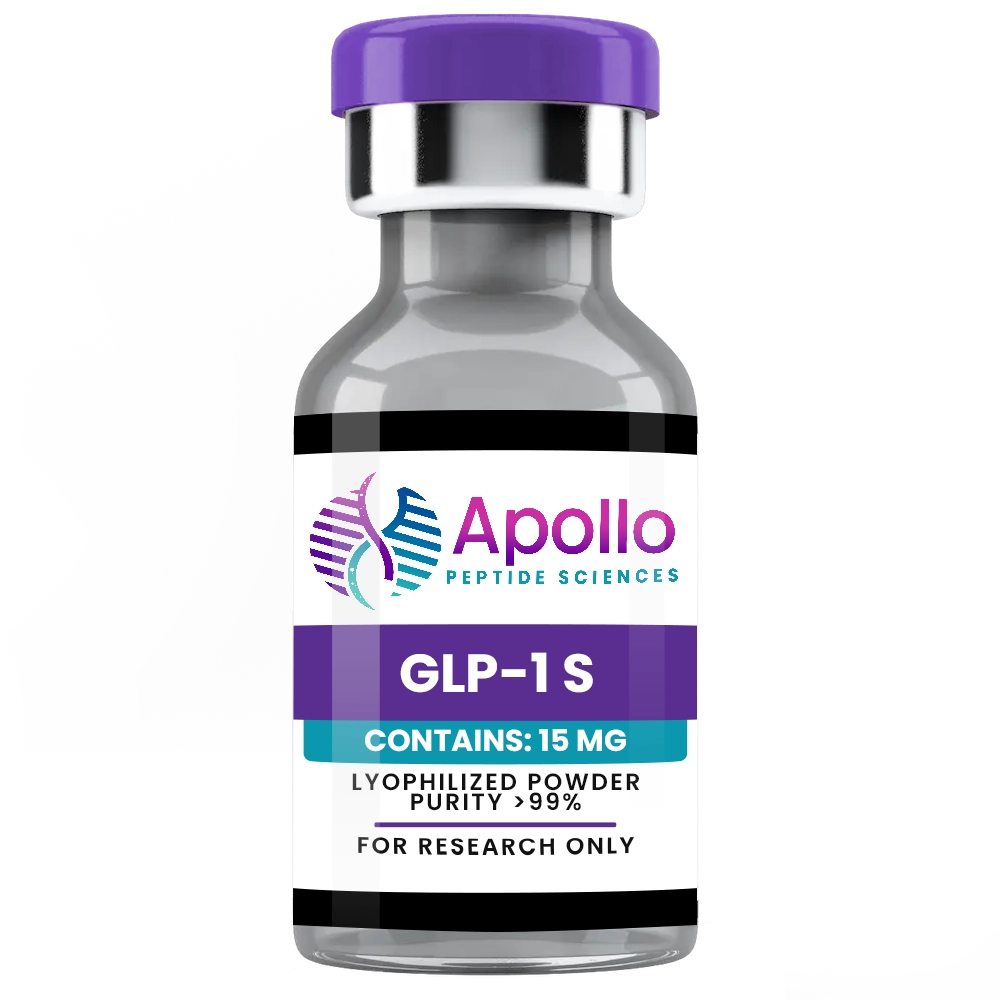
CJC-1295 / Ipamorelin

CJC-1295 / Ipamorelin

performance

View →
IGF-1 LR3

IGF-1 LR3

performance

View →
GLP-1 S 15mg

Buy GLP-1 S 15mg

$159.99

Buy Now — $159.99Buy at Apollo

Research-grade · COA verified · Apollo Peptide Sciences
Categoryfat loss
Typeinjectable
Quality Rating★★★★★
VendorApollo

Common Questions About GLP-1 S

What is the 15mg semaglutide vial for?

The 15mg vial is the maximum-supply option for users running semaglutide at full therapeutic doses (2–3mg/week). At 2mg/week it provides approximately 7.5 weeks; at 3mg/week, 5 weeks. This vial is best purchased once you have confirmed your dose and tolerability — not as a starting point. It offers the best cost-per-milligram of any semaglutide option on the site.

How long should a semaglutide protocol last?

The STEP 1 trial ran 68 weeks with continued improvement throughout. In practice, most self-directed protocols run 12–20 weeks, evaluate results, and continue if goals have not been met. Weight tends to return when semaglutide is discontinued — making it either a long-term maintenance tool or a protocol to run alongside lifestyle changes that independently maintain results. The 15mg vial supports sustained protocols without frequent reordering.

Should I use semaglutide 15mg or switch to tirzepatide?

If you are already on semaglutide and responding well, the 15mg vial is simply cost-efficient supply at your established dose. If you are choosing between them for maximum fat loss, tirzepatide produced 22.5% mean weight loss vs semaglutide's 14.9% in their respective pivotal trials. The upgrade to tirzepatide makes most sense for users who have plateaued on semaglutide or who are starting fresh and want the strongest available single-injection GLP-1 class compound.

GLP-1 S 15mg

$159.99

Buy Now