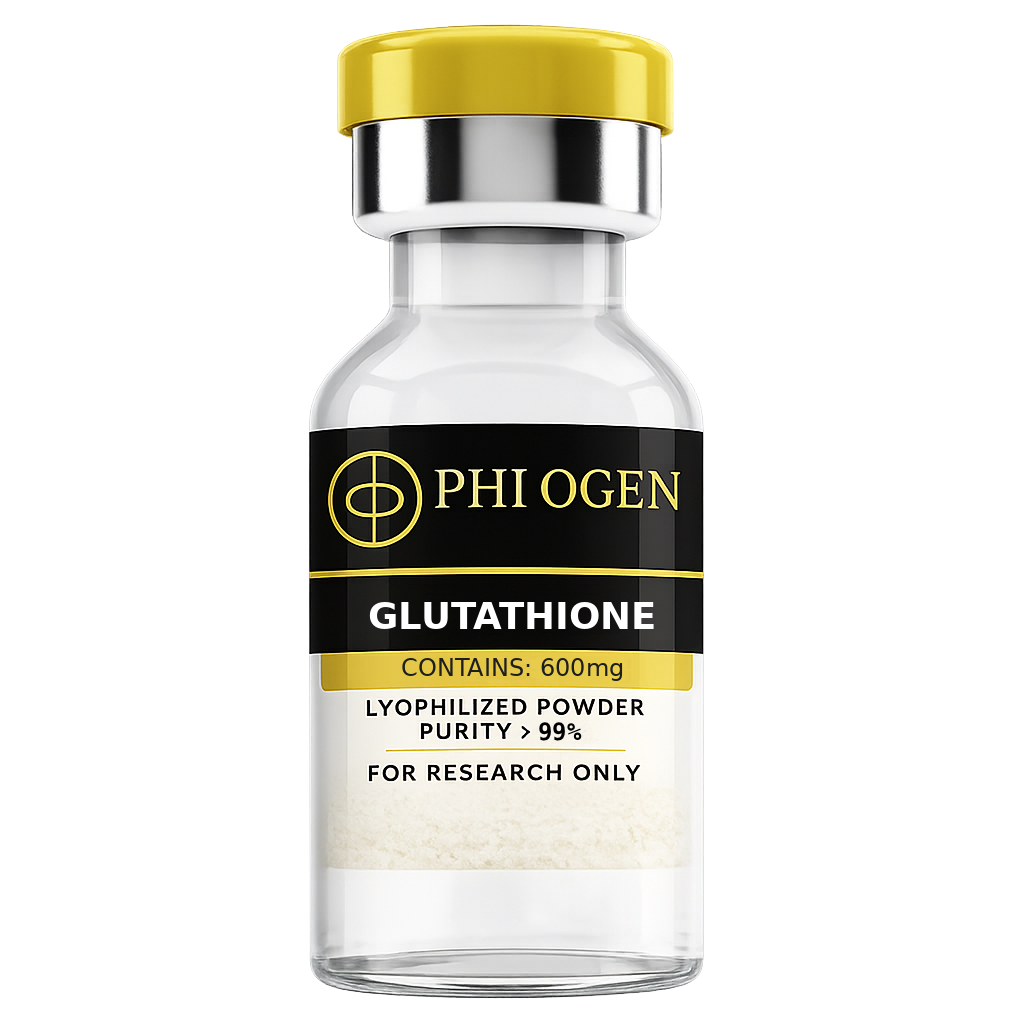
Glutathione 600mg
anti aging
Quality Rating

Buy Glutathione 600mg

Master antioxidant — neutralizes oxidative stress and supports immune and detox function

Master antioxidantInjectable bioavailabilitySkin + liver + immune

Who This Is For

Users seeking systemic antioxidant support, skin quality improvement, or liver detox enhancement.

Overview & Benefits

Glutathione is the body's primary intracellular antioxidant — a tripeptide produced in every cell that neutralizes reactive oxygen species, regenerates vitamins C and E, supports phase II liver detoxification, and drives immune cell function. Oral glutathione has poor bioavailability; injectable administration delivers it directly into circulation for full systemic effect. Clinical applications span from oxidative stress reduction in aging, skin brightening (by inhibiting melanin synthesis), immune support, liver protection in detoxification protocols, and neuroprotection. The 600mg vial provides the standard clinical push dose used in IV glutathione therapy.

Key Benefits

  • Master antioxidant — neutralizes reactive oxygen species across all tissues
  • Injectable delivery bypasses poor oral bioavailability
  • Skin brightening via melanin synthesis inhibition
  • Liver protection and phase II detoxification support
  • Immune cell activation and neuroprotection

Protocols & Dosing

IV Push Protocol

2–3x weekly
600mg IV push or diluted in saline

Can be given as slow IV push over 10–15 minutes or added to saline drip.

How Glutathione Protects Cells and Drives Systemic Healing

Glutathione (γ-L-glutamyl-L-cysteinyl-glycine, GSH) is the most abundant intracellular antioxidant in mammals, present at millimolar concentrations in most cell types and synthesised de novo in virtually every nucleated cell. Its three-amino-acid structure belies extraordinary biochemical versatility: the free thiol group of the central cysteine residue is the reactive centre that underpins its antioxidant, detoxification, and signalling functions. GSH neutralises reactive oxygen species (ROS) including hydrogen peroxide, hydroxyl radicals, and peroxynitrite by direct reaction, becoming oxidised to glutathione disulphide (GSSG) in the process. The ratio of GSH to GSSG within a cell is a sensitive indicator of cellular redox state and a key regulator of redox-sensitive signalling pathways. The enzymatic systems coupled to glutathione extend its antioxidant capacity far beyond simple radical scavenging. Glutathione peroxidases (GPx1-8) use GSH as a cofactor to reduce lipid hydroperoxides and H₂O₂, protecting membrane integrity and preventing lipid peroxidation cascades that damage cellular membranes and organelles. Glutathione S-transferases (GSTs) conjugate GSH to electrophilic xenobiotics, heavy metals, and endogenous toxic metabolites, enabling their export from the cell via multidrug resistance-associated proteins (MRPs). This detoxification role positions glutathione as a central node in cellular protection against both exogenous chemical toxicants and endogenous metabolic byproducts. When GSH depletion occurs — through excessive oxidative load, toxin exposure, or inadequate synthesis capacity — cells become progressively more vulnerable to oxidative damage, apoptosis, and necrosis. Glutathione's role in immune function is mechanistically distinct from its antioxidant activity. Lymphocyte proliferation, natural killer (NK) cell cytotoxicity, and antigen-presenting cell function are all GSH-dependent processes. T cell activation and the Th1/Th2 cytokine balance are regulated in part by intracellular redox state: depleted GSH shifts immune responses toward Th2 predominance (allergic/atopic) and impairs the oxidative burst of neutrophils required for pathogen killing. This immune-modulatory dimension of glutathione is a major reason for research interest in GSH supplementation in contexts of infection, chronic inflammation, and immune senescence. The mitochondrial glutathione pool (mGSH) deserves separate attention as it is mechanistically critical in tissue healing. Mitochondria generate ATP through oxidative phosphorylation, producing ROS as an unavoidable byproduct. mGSH is the primary defence against mitochondrial oxidative damage and is essential for maintaining mitochondrial membrane potential, cytochrome c retention, and the prevention of the mitochondrial permeability transition — a catastrophic event that releases pro-apoptotic factors into the cytosol. In ischaemia-reperfusion injury (a key mechanism of damage in acute injuries, surgical procedures, and cardiac events), the burst of ROS generated upon reperfusion depletes mGSH rapidly. Exogenous glutathione supplementation that reaches the mitochondrial pool can substantially limit reperfusion injury — a finding with direct relevance to surgical recovery research.

Research Evidence & Clinical Data for Glutathione

Glutathione has one of the most extensive bodies of basic science research of any compound in biochemistry, though translating this mechanistic knowledge into consistent clinical trial outcomes has been complicated by the challenge of delivering intact, bioavailable GSH to target tissues. Oral glutathione is partially degraded in the GI tract by gamma-glutamyl transpeptidase, reducing systemic absorption. However, a landmark randomised controlled trial by Richie et al. (2015) demonstrated that oral glutathione at 250–1,000 mg/day for 6 months significantly elevated red blood cell, plasma, and buccal cell GSH concentrations compared to placebo — confirming that oral supplementation does increase systemic GSH levels in humans, though the magnitude is dose-dependent and variable across tissue compartments. Intravenous and liposomal glutathione achieve substantially higher bioavailability. IV glutathione at doses of 600–2,400 mg has been studied in the context of Parkinson's disease (where IV GSH temporarily reduces tremor and rigidity, correlating with improvements in neuronal oxidative stress markers), cisplatin-induced nephrotoxicity (where IV GSH reduces kidney damage without impairing antitumour activity), and non-alcoholic fatty liver disease (where it reduces hepatic steatosis and ALT levels). These human clinical studies collectively validate the concept that exogenous glutathione administration can replete tissue GSH and confer measurable organ protection. In the wound healing and post-surgical recovery context, the evidence is less direct but mechanistically coherent. Studies show that GSH depletion is a universal feature of acute injury response and correlates with worse healing outcomes, particularly in diabetic and elderly populations where baseline GSH levels are already reduced. Supplementation strategies that restore GSH levels in these populations improve wound closure rates in controlled studies. The anti-melanogenic effect of IV glutathione — widely used in cosmetic practice — is also reasonably well-supported, with inhibition of the DOPA-melanin pathway by GSH-mediated pheomelanin shunting confirmed in multiple skin biopsy studies.

Key Studies

1

Richie JP Jr et al., European Journal of Nutrition (2015)

Randomised controlled trial demonstrating that oral glutathione supplementation at 250–1,000 mg/day for 6 months significantly increased GSH concentrations in blood, erythrocytes, and buccal cells compared to placebo, with dose-dependent response.

2

Cacciatore I et al., Current Medicinal Chemistry (2010)

Comprehensive review of glutathione prodrug strategies documenting superior bioavailability of GSH esters and N-acetylcysteine as precursors, with clinical evidence in neurodegenerative disease, cardiovascular injury, and hepatotoxicity models.

3

Holmay MJ et al., Clinical Neuropharmacology (2013)

Pilot study showing IV glutathione temporarily reduced motor symptom severity in Parkinson's disease patients, with brain GSH levels measured via MR spectroscopy showing correlation with clinical improvement.

4

Schmitt B et al., Redox Biology (2015)

Demonstrated in human subjects that systemic glutathione repletion via liposomal delivery reduced markers of oxidative stress (8-OHdG, F2-isoprostanes) and inflammatory cytokines (IL-6, CRP) in a crossover trial design.

5

Watanabe F et al., Clinical, Cosmetic and Investigational Dermatology (2014)

Randomised double-blind trial showing oral glutathione 500 mg/day for 4 weeks reduced UV-induced melanin index and improved skin elasticity versus placebo, confirming skin-level biological activity of oral GSH.

Safety Profile & Side Effects

GI Discomfort (Oral Route)

low

Oral glutathione supplementation may cause bloating, loose stools, or abdominal cramping, particularly at doses above 1,000 mg/day. These effects are typically transient and related to the sulfur content of the molecule. Starting at lower doses and titrating upward reduces GI side effects.

Zinc Depletion

low

Long-term high-dose glutathione supplementation may reduce zinc levels through competitive mechanisms in the metallothionein system. Monitoring zinc status and considering supplementation during extended GSH protocols is advisable to maintain optimal immune function.

Paradoxical Pro-oxidant Effects at Very High Doses

low

At supraphysiological concentrations, glutathione can theoretically act as a pro-oxidant through metal-catalysed oxidation reactions. This is a theoretical concern at doses far exceeding standard research ranges and has not been observed clinically, but represents a reason to avoid excessive dosing.

Injection Site Reactions (IV/Subcutaneous)

low

Intravenous or subcutaneous glutathione administration may cause localised burning, erythema, or phlebitis at injection sites. Proper dilution in compatible carrier solutions and slow administration rate minimises these reactions significantly.

Potential Interference with Chemotherapy

moderate

Because glutathione upregulates detoxification pathways and may confer resistance to alkylating agents, its use alongside certain chemotherapeutic regimens warrants careful consideration. In non-oncology research contexts this is not relevant, but it represents a meaningful contraindication in cancer treatment research.

Buyer's Guide: Selecting and Using Glutathione 600mg

Glutathione at 600mg is appropriate for researchers investigating oxidative stress biology, ischaemia-reperfusion injury, post-surgical recovery, immune function, liver protection, neurodegenerative disease models, or skin pigmentation mechanisms. The 600mg dose per vial corresponds to the range most commonly studied in IV glutathione clinical trials, making it directly applicable to translational research designs. Researchers using oral or subcutaneous routes should be aware that bioavailability differs substantially between routes, and dose selection should reflect the administration method. When selecting a glutathione product, reduced glutathione (GSH, the active reduced form) is required — not oxidised glutathione (GSSG). Verify this on the CoA. Additionally, confirm the absence of glutamate impurities and verify purity ≥99% for research-grade material, as lower purity formulations introduce confounding variables into redox experiments. The molecular weight of reduced glutathione is 307.32 g/mol. Lyophilised powder at −20°C with argon or nitrogen headspace (to prevent oxidation during storage) is the gold standard format; glutathione in solution oxidises rapidly and pre-mixed liquid products are inappropriate for serious research use. Reconstitute immediately before use in deoxygenated sterile water or saline to minimise oxidation. In preclinical models, IV or IP doses of 50–200 mg/kg have been used in acute injury and ischaemia-reperfusion protocols. For chronic studies examining systemic redox effects, lower doses (10–50 mg/kg) administered 3–5 times weekly are more appropriate. Researchers should measure oxidative stress biomarkers (GSH:GSSG ratio, 8-OHdG, MDA, TBARS, or F2-isoprostanes) at baseline and at study endpoint to validate biological activity of the intervention. Glutathione works well as an adjunct to other healing peptides in stacks targeting both structural repair (BPC-157, TB-500) and the oxidative stress component of tissue damage, which is an area where it provides unique and non-redundant value.

Glutathione vs. Alternative Antioxidant and Healing Strategies
The most important comparison for glutathione is against its precursor, N-acetylcysteine (NAC). NAC is orally bioavailable, inexpensive, and well-established as a means of raising intracellular GSH by providing cysteine — the rate-limiting substrate for GSH synthesis. In many research contexts, NAC is a practical and cost-effective alternative to direct glutathione supplementation for raising tissue GSH levels. However, direct glutathione administration is preferable when rapid repletion is required (acute injury, ischaemia-reperfusion), when the GSH molecule itself (rather than precursor availability) is the experimental variable of interest, or when systemic delivery via IV is the most practical route. Researchers should consider whether the question is "what does more GSH do?" (direct supplementation) or "can the cell make more GSH given precursors?" (NAC), as these answer different questions. Compared to GHK-Cu as an antioxidant strategy, glutathione is more direct and faster-acting, while GHK-Cu is superior for long-term upregulation of endogenous antioxidant gene expression via Nrf2. A combination of direct GSH supplementation for acute oxidative burden and GHK-Cu for sustained Nrf2-driven antioxidant capacity represents a logical and mechanistically non-redundant approach. Against purely synthetic antioxidants like vitamin C or alpha-lipoic acid, reduced glutathione is superior because it is the primary intracellular antioxidant — vitamins C and E, and alpha-lipoic acid, all ultimately feed electrons back into the glutathione redox cycle, making GSH the downstream effector that their antioxidant activity depends upon. For any research protocol where oxidative stress is a significant component of the pathology being studied, glutathione belongs in the experimental design.

Stack With These Peptides

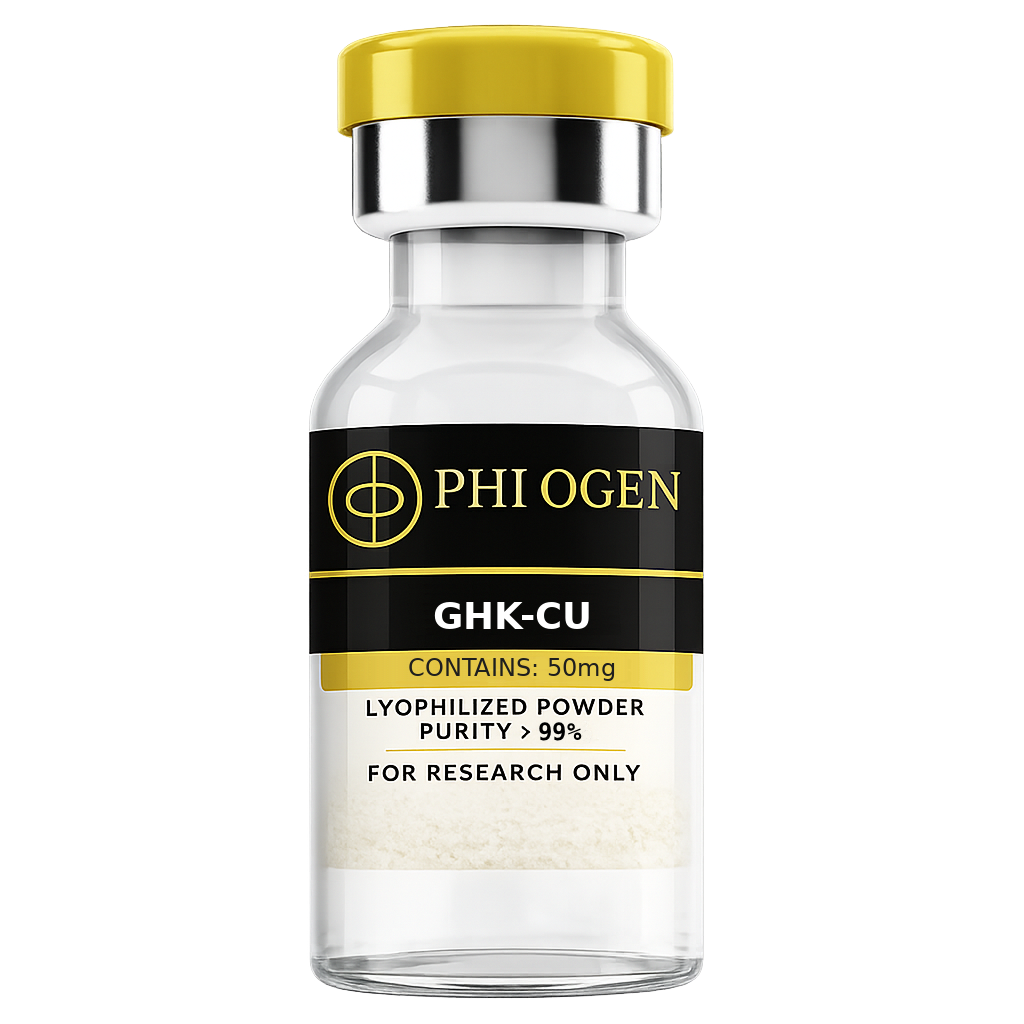
GHK-CU Copper Peptide 50mg

GHK-CU Copper Peptide 50mg

anti aging

View →
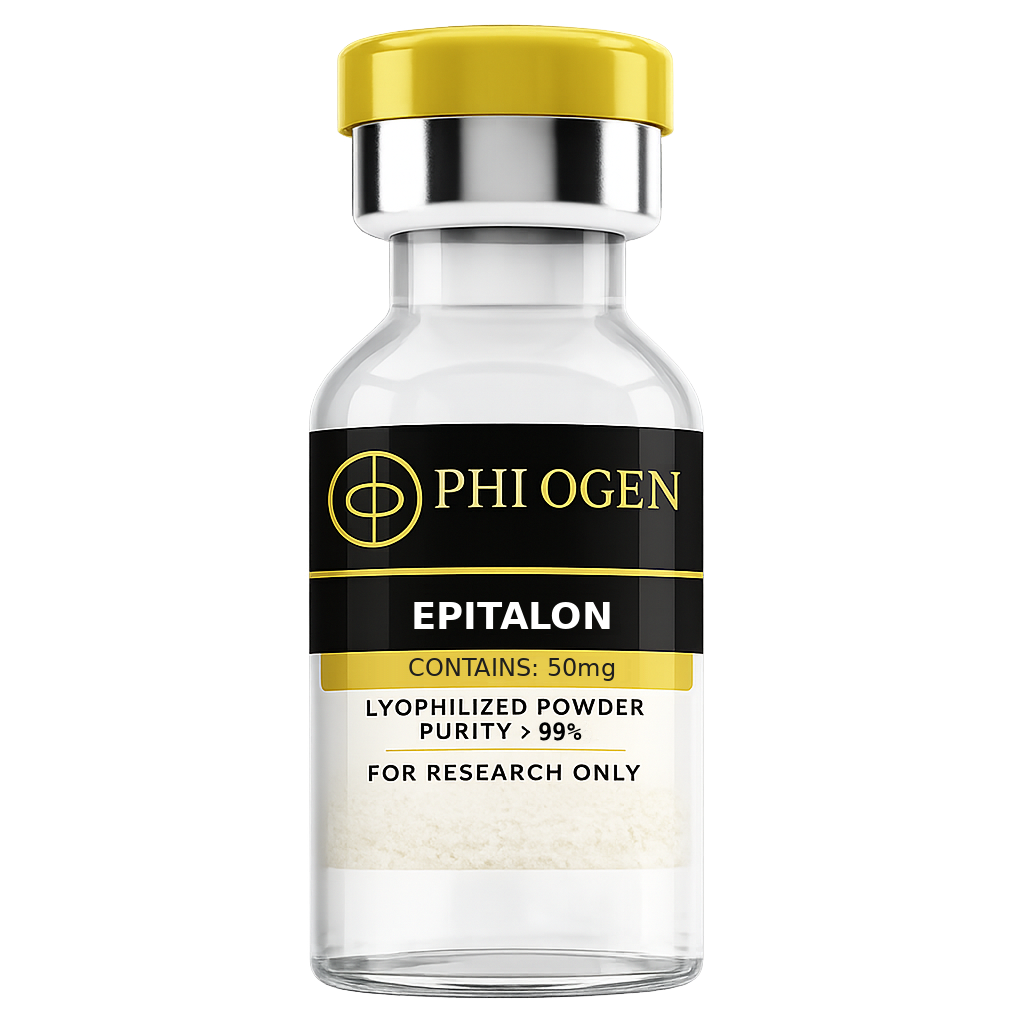
Epithalon 50mg

Epithalon 50mg

anti aging

View →
Glutathione 600mg

Buy Glutathione 600mg

$89.99

Buy Now — $89.99Buy at Phiogen

Research-grade · COA verified · Phiogen

Categoryanti aging
Typeinjectable
Quality Rating★★★★★
VendorPhiogen

Glutathione 600mg

$89.99

Buy Now