Skin Isn't Just Surface.
It's Biology All the Way Down.
Moisturizers hydrate. Peptides rebuild. The difference is working on the surface vs working at the gene expression level that tells your skin cells what to produce. GHK-CU doesn't stimulate collagen — it resets the gene that decides how much to make.
collagen lost annually after age 25
reduction by age 50
genes regulated by GHK-CU
of human GHK-CU research
What Collagen Actually Is
Collagen is the structural scaffold your skin sits on. Not one protein — a family of 28. The ones that matter for skin appearance:
Type I
Skin, tendons, bone
Structural strength, skin firmness. The most abundant collagen. What you're losing as you age.
Type III
Skin, blood vessels
Skin elasticity and flexibility. Produced first during wound healing — GHK-CU upregulates both Type I and III genes.
Elastin
Skin, lungs, arteries
The "snap-back" protein. Allows skin to return to shape after stretching. Declines with UV damage and aging.
The Skin Peptides, Explained
GHK-CU (Copper Peptide)
The Gene-Level Rebuild
GHK-CU is a copper-carrying tripeptide native to human plasma. At young ages it circulates at around 200 ng/mL — by age 60, that's dropped below 80. It activates genes involved in collagen I, III, and elastin synthesis through binding to DNA regulatory regions. It also inhibits the matrix metalloproteinases (enzymes) that degrade collagen. You're simultaneously building more and losing less.
Systemic Dose
1–2 mg SC daily
Topical
Serum 2–3× daily, cream overnight
Timeline
8–12 weeks for visible structural change
SNAP-8
The Expression Line Eraser
SNAP-8 is an 8-amino acid peptide that competes with SNAP-25 at the SNARE complex — the protein mechanism behind acetylcholine release at the neuromuscular junction. Less acetylcholine release means less microcontraction in the expression muscles underlying wrinkles. It's similar in principle to Botox but much more subtle — you don't freeze the muscle, you just reduce the habitual microcontractions causing lines.
Systemic Dose
N/A — topical only
Topical
Cream or serum 2× daily to forehead, eye area
Timeline
4–8 weeks for fine line reduction
Epithalon
The Clock Reset
Epithalon activates telomerase — the enzyme that maintains telomere length. Short telomeres mean cells divide less efficiently, produce less collagen, and age faster. Epithalon's effect on skin is therefore indirect but profound: it resets the cellular aging clock that determines how efficiently your skin cells operate. 15 years of Khavinson research showing lifespan extension had clear skin and hormonal markers as secondary endpoints.
Systemic Dose
5–10 mg SC nightly, 10-night course
Topical
Some topical preparations available
Timeline
Circadian and hormonal effects: 2–4 weeks
The Full Skincare Protocol
morning
- Vitamin C serum (antioxidant protection from UV)
- SNAP-8 serum (expression areas)
- SPF 30+ (UV is the #1 collagen destroyer)
evening
- GHK-CU serum (systemic SC or topical, allows overnight absorption)
- SNAP-8 cream to treatment areas
- Retinol if not using GHK-CU topically (they compete for similar pathways)
weekly
- Microneedling (0.5–1.5mm) creates channels for peptide penetration
- Apply GHK-CU immediately post-microneedling — absorption increases 8×
- BPC-157 topical post-procedure to accelerate healing and optimize remodeling
UV Damage — What's Happening and How to Reverse It
Immediate (minutes–hours)
UV-B destroys collagen peptide bonds directly. DNA damage triggers inflammatory cascade.
Short-term (days–weeks)
MMP-1 (collagenase) activation degrades existing collagen. Melanin production creates uneven pigmentation.
Long-term (years)
Cumulative collagen loss, elastin cross-linking (wrinkles), basement membrane thinning. This is photoaging.
Peptide intervention
GHK-CU post-UV reverses MMP activation, drives repair gene expression. Apply same day, don't wait.
Skin & Collagen Peptides
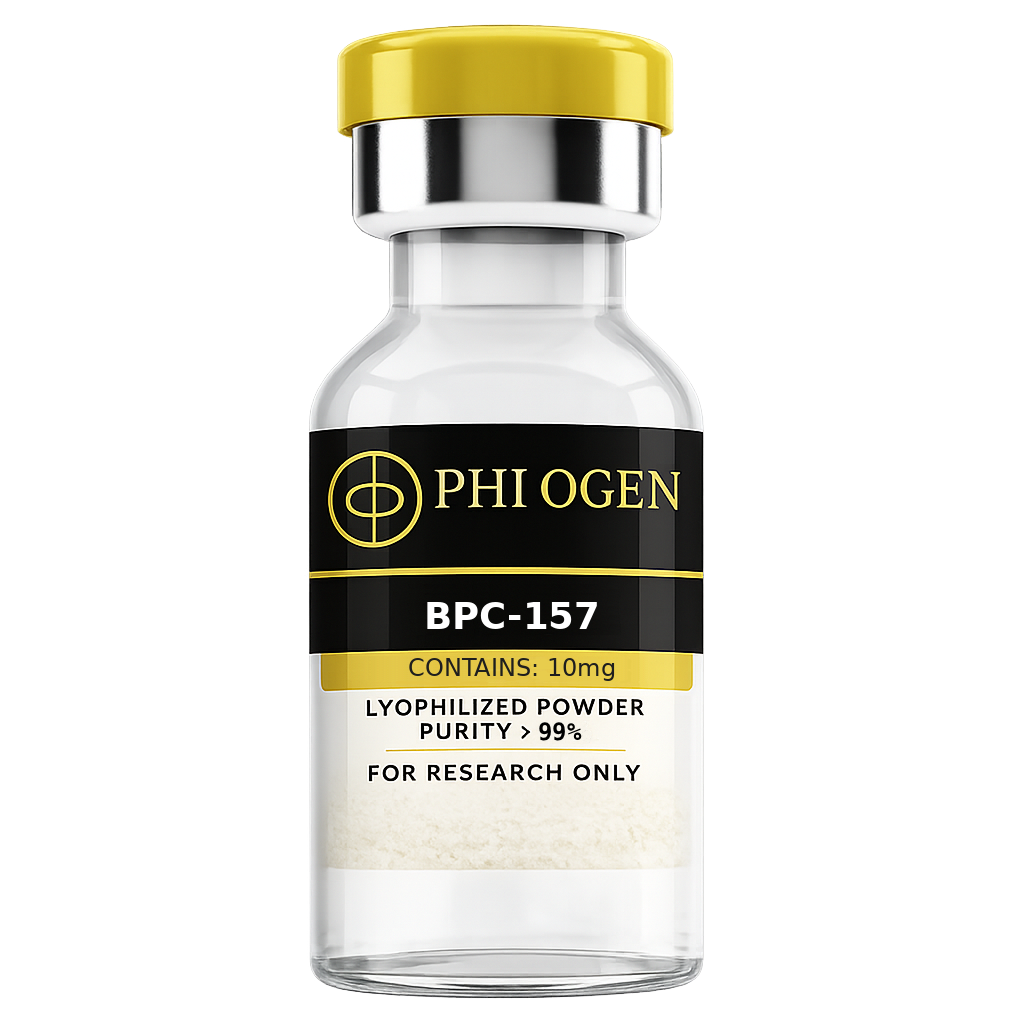
BPC-157 10mg
The body's own repair peptide — accelerates healing in tendon, muscle, gut, and nerve tissue
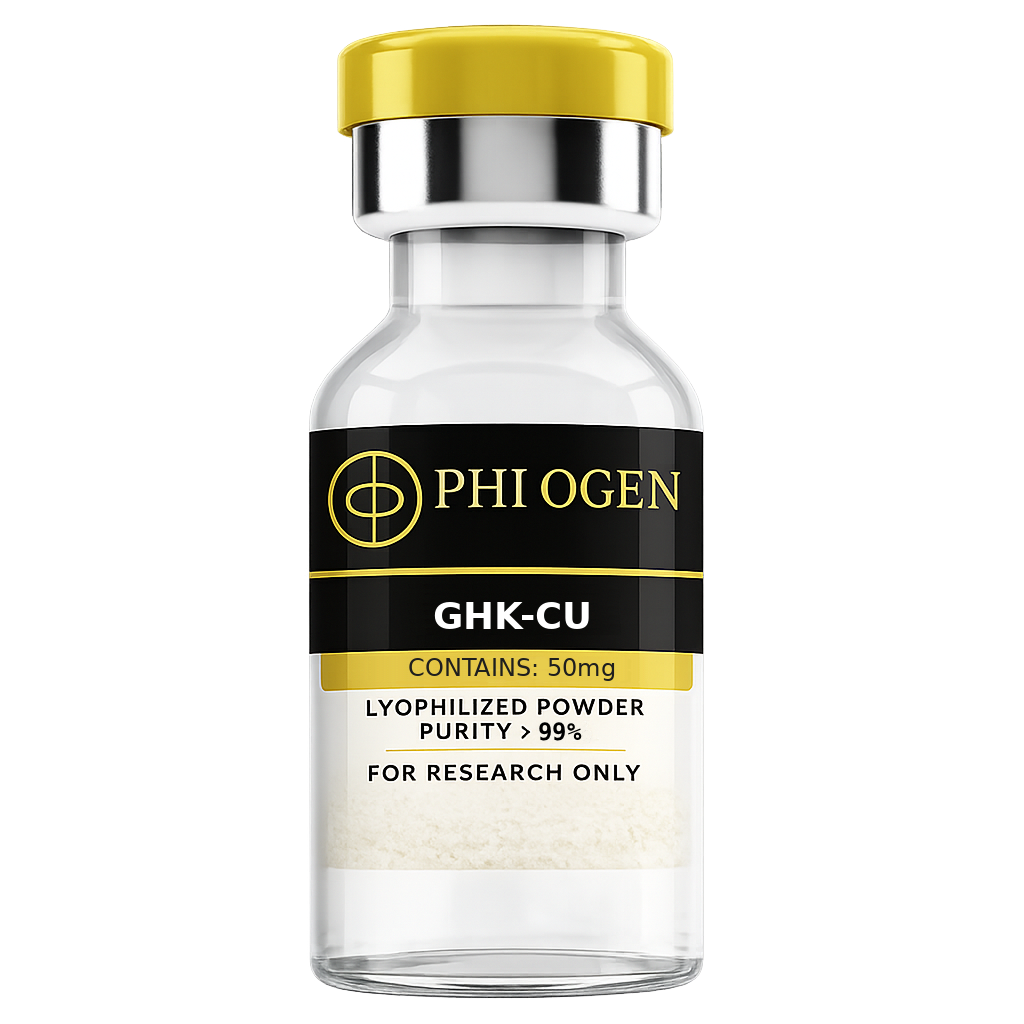
GHK-CU Copper Peptide 50mg
Copper tripeptide that regulates 4,000+ genes — anti-aging, wound healing, and collagen synthesis
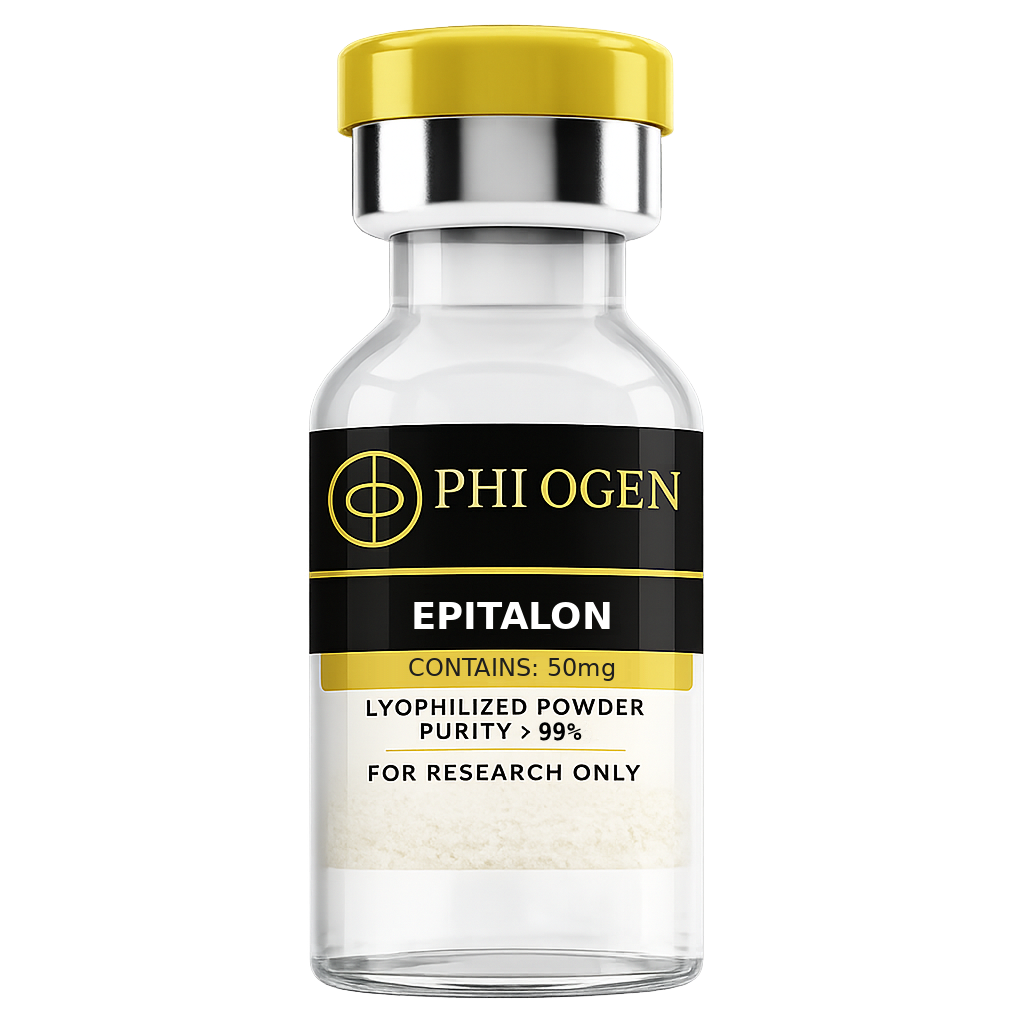
Epithalon 50mg
The telomere peptide — activates telomerase and extends telomere length for biological age reversal
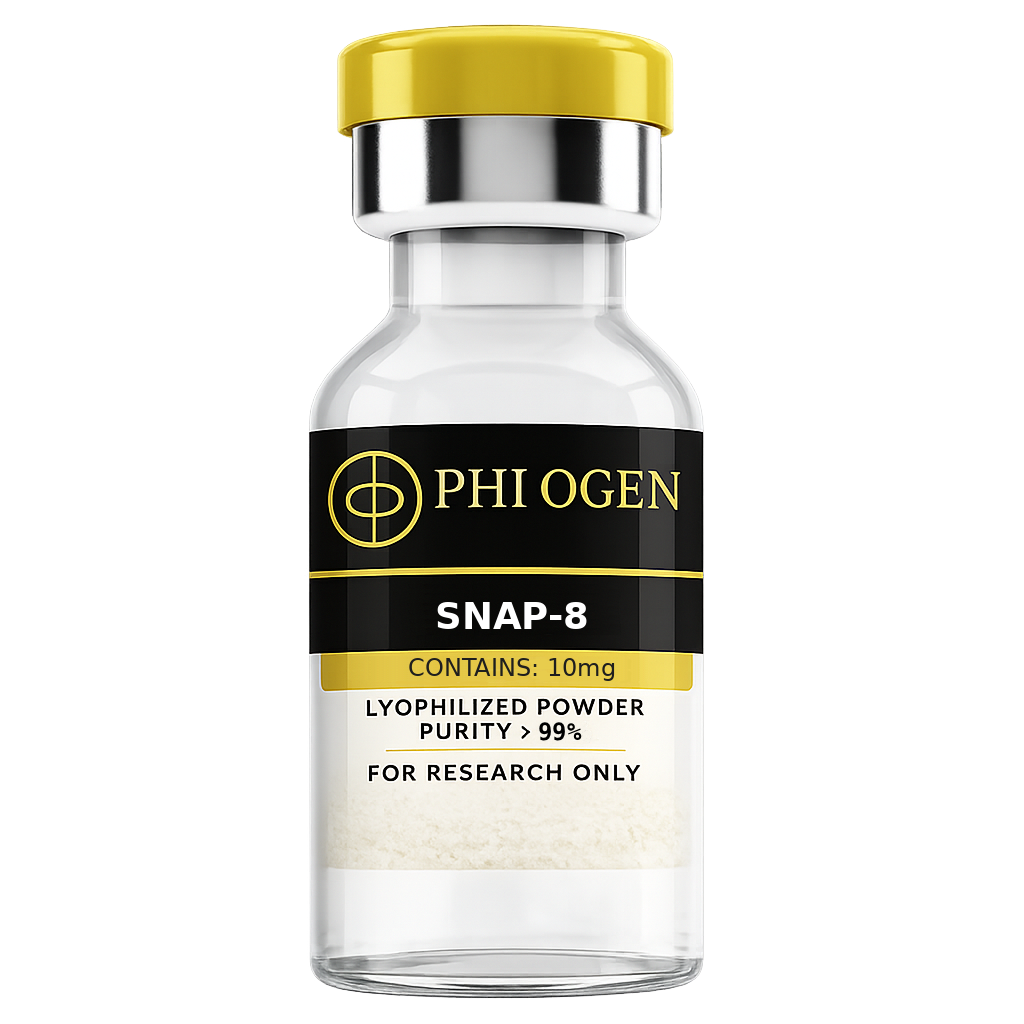
SNAP-8 Topical Peptide
Botox-alternative peptide — reduces expression wrinkles by 63% through neuromuscular junction modulation