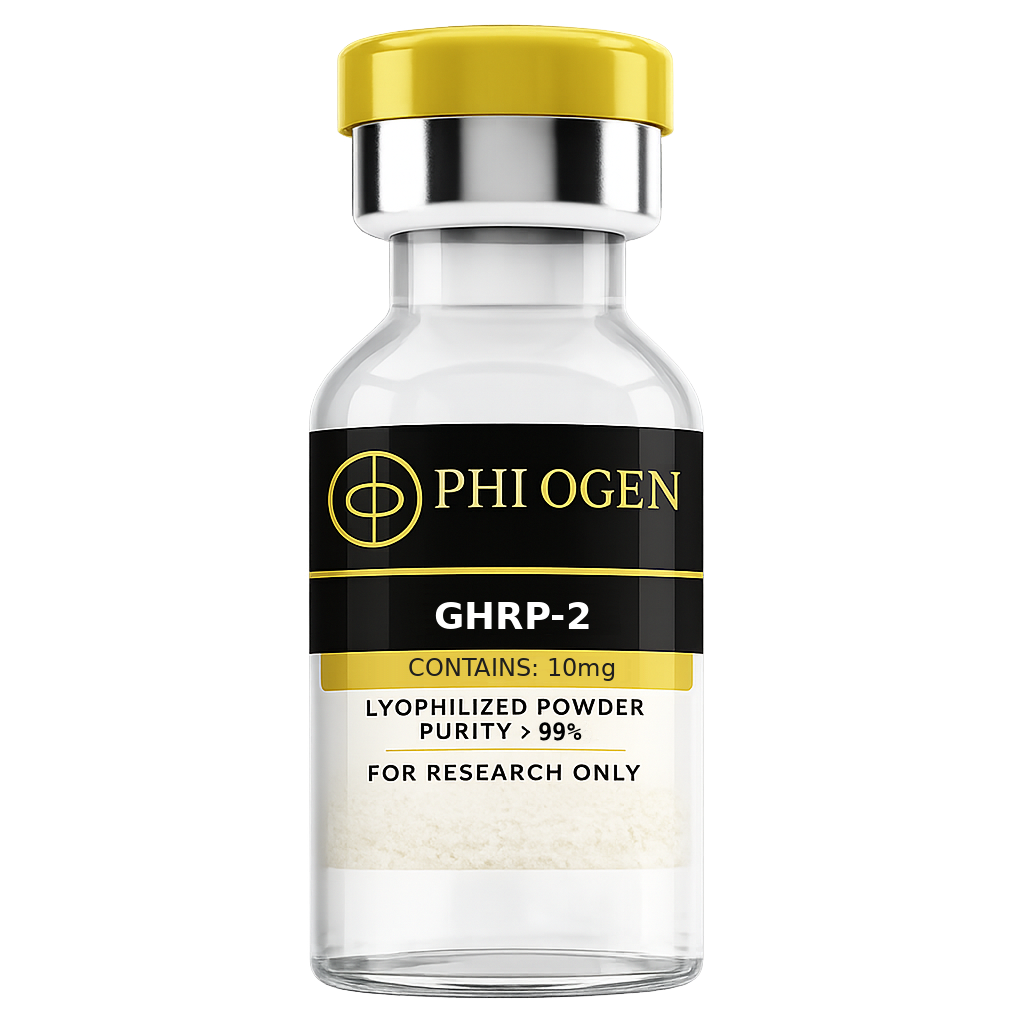
GHRP-2 10mg
performance
Quality Rating

Buy GHRP-2 10mg

Potent GH secretagogue with strong appetite stimulation — for aggressive GH + caloric surplus protocols

Highest GH pulse amplitudeAppetite support for bulkingStack with CJC-1295

Who This Is For

Users in a caloric surplus and muscle-building phase who want maximum GH pulse amplitude and don't mind appetite stimulation.

Overview & Benefits

GHRP-2 produces among the highest GH pulse amplitudes of any secretagogue — significantly more than Ipamorelin at equivalent doses. This potency comes with trade-offs: GHRP-2 stimulates appetite noticeably (useful during a caloric surplus, problematic during a cut), and mildly elevates cortisol and prolactin. For mass-building protocols where eating in a surplus is the goal, GHRP-2's appetite-stimulating properties become an asset. The compound pairs well with CJC-1295 No DAC for amplified GH release. At 100–300mcg injected 2–3x daily on an empty stomach, GHRP-2 delivers measurable IGF-1 elevation within 4–6 weeks. Choose Ipamorelin if appetite control and cortisol management matter; choose GHRP-2 if maximum GH pulse and eating support are the priorities.

Key Benefits

  • Among the highest GH pulse amplitudes of any secretagogue
  • Appetite stimulation supports caloric surplus during bulking phases
  • Pairs with CJC-1295 No DAC for synergistic GH release
  • Elevates IGF-1 measurably within 4–6 weeks
  • Cost-effective entry into GH secretagogue protocols

Protocols & Dosing

Bulk Protocol

2–3x daily on empty stomach
100–300mcg subcutaneous

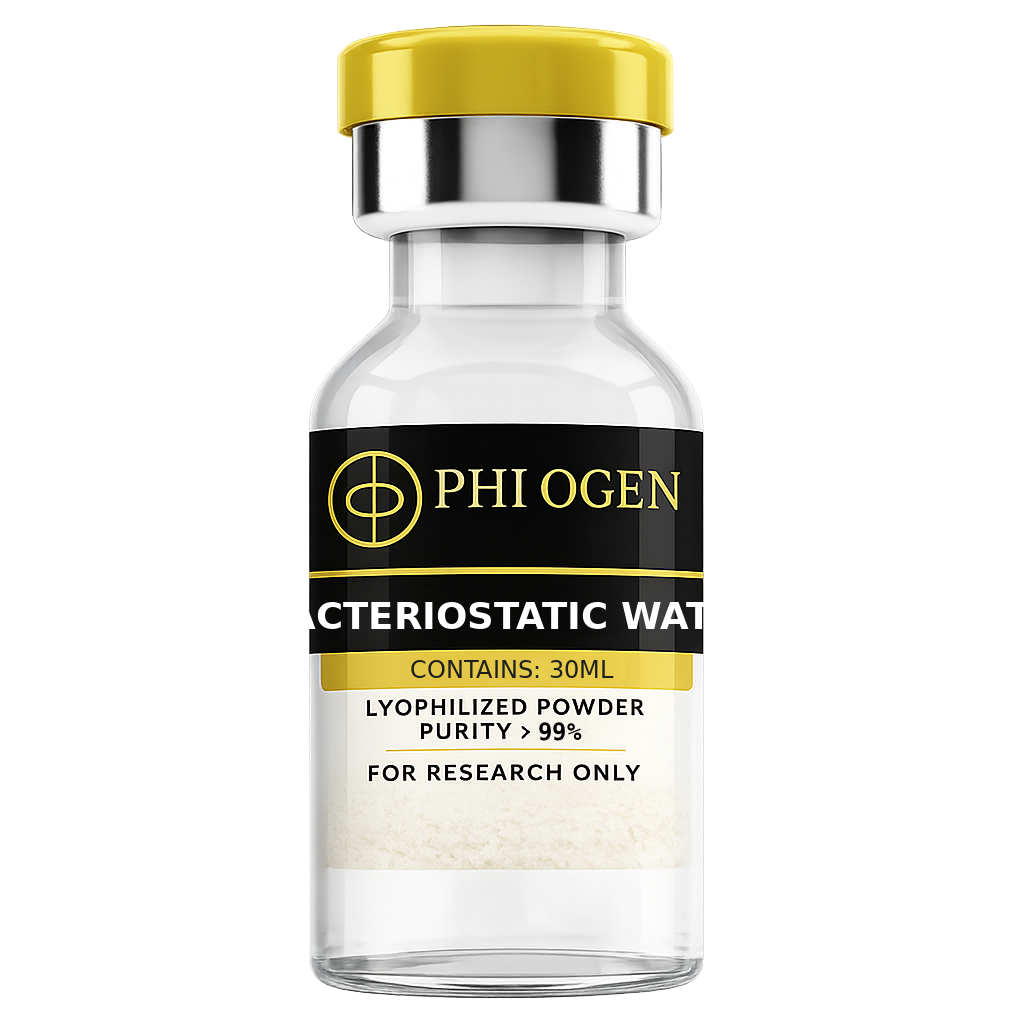
Pair with 100–200mcg CJC-1295 No DAC for synergy. Expect appetite increase within 20–30 minutes of injection. Inject 30–60 min before meals.

GHRP-2: GHS-R1a Agonism, Somatostatin Suppression, and Potent GH Pulse Induction

GHRP-2 (Growth Hormone Releasing Peptide-2, also known as KP-102) is a synthetic hexapeptide — D-Ala-D-β-Nal-Ala-Trp-D-Phe-Lys-NH2 — classified as a first-generation growth hormone secretagogue. It acts as a potent agonist at the growth hormone secretagogue receptor 1a (GHS-R1a), a Gαq protein-coupled receptor expressed on anterior pituitary somatotroph cells, hypothalamic neurons, and peripheral tissues including the heart and GI tract. GHS-R1a is the cognate receptor for ghrelin, the endogenous gut-derived orexigenic peptide, and GHRP-2 mimics ghrelin's GH-releasing activity with greater potency and selectivity for GH release over orexigenic effects. GHS-R1a activation by GHRP-2 triggers phospholipase C-mediated hydrolysis of phosphatidylinositol 4,5-bisphosphate (PIP2), generating inositol trisphosphate (IP3) and diacylglycerol (DAG). IP3 mobilises calcium from the endoplasmic reticulum and opens voltage-gated calcium channels, producing a rapid, transient intracellular calcium spike within somatotrophs. This calcium surge drives exocytosis of pre-formed GH secretory granules through a SNARE protein-dependent mechanism, generating the acute GH pulse characteristic of GHRP-2 administration. DAG simultaneously activates protein kinase C, further amplifying secretory output and contributing to GH1 transcriptional upregulation via PKC-mediated CREB phosphorylation. GHRP-2's GH-releasing mechanism also involves hypothalamic action. Within the arcuate nucleus and paraventricular nucleus, GHS-R1a activation by GHRP-2 inhibits somatostatin-releasing neurons, reducing somatostatin tone at the pituitary. Since somatostatin is the primary inhibitory regulator of GH secretion, its suppression dramatically amplifies the GH response to concurrent GHRH-mediated stimulation — providing the mechanistic basis for the synergistic GH output observed when GHRP-2 is co-administered with a GHRH analogue such as CJC-1295 or sermorelin. The combination of somatostatin suppression (GHRP-2) and direct pituitary cAMP/calcium stimulation (GHRH analogue) represents two orthogonal inputs converging on the same exocytotic endpoint. Despite its potent GH-releasing properties, GHRP-2 exhibits meaningful off-target GHS-R1a activity in non-pituitary tissues. Adrenal GHS-R1a activation elevates cortisol by stimulating ACTH release from the anterior pituitary via MC2-R-independent pathways, and prolactin elevation has also been documented in controlled studies. These off-target hormonal effects — approximately three to fivefold cortisol elevation above baseline at therapeutic GHRP-2 doses — distinguish GHRP-2 from the more selective ipamorelin and represent the primary tolerability limitation of this compound. Downstream IGF-1 signalling following GHRP-2-induced GH release proceeds through the standard hepatic JAK2/STAT5 pathway, generating systemic anabolic and lipolytic effects mediated by PI3K/Akt/mTORC1 and HSL activation, respectively.

Clinical and Pharmacological Research on GHRP-2

GHRP-2's pharmacological profile was characterised in detail by Bowers et al. through the 1990s in a series of dose-response studies establishing its GH-releasing potency in humans and animals. A pivotal study by Frieboes et al. (1995) administered GHRP-2 intravenously to healthy volunteers and demonstrated dose-dependent GH increases peaking at 15–30 minutes post-injection, with maximal responses of 30–60 µg/L serum GH at doses of 1 µg/kg — substantially greater than the GHRH-stimulation test in the same subjects. These experiments established GHRP-2 as the most potent injectable GH secretagogue available at the time and provided the clinical reference dataset widely used in subsequent research. Comparative studies between GHRP-2 and ipamorelin by Raun et al. (1998) and subsequent investigators confirmed that GHRP-2 produces greater peak GH release per unit dose than ipamorelin in most models, but at the cost of significant cortisol (up to 3–5× baseline) and prolactin elevation. This hormonal bystander activation is problematic for recovery-focused applications because elevated cortisol is catabolic to muscle protein, opposes the anabolic effects of GH/IGF-1, disrupts sleep architecture, and may cause appetite dysregulation. The practical clinical implication is that GHRP-2's raw GH-releasing potency does not directly translate to proportionally greater anabolic outcomes compared to ipamorelin due to cortisol counter-regulation. Research on GHRP-2's effects specifically on body composition and performance outcomes in humans is less extensive than data on its endocrine pharmacology. Available human data from anti-ageing clinics and research settings suggest that GHRP-2 at 100–300 µg per injection reliably elevates IGF-1 by 20–35% over 8–12-week cycles, consistent with clinically meaningful GH axis activation. Animal research by Laferrère et al. and others demonstrates anabolic effects including increased muscle protein fractional synthetic rate and reduced adipose tissue mass in GH-deficient animal models, supporting translational relevance for body composition applications.

Key Studies

1

Bowers CY, et al. "Structure-activity relationships of a synthetic pentapeptide that specifically releases growth hormone in vitro." Endocrinology (1980)

Foundational characterisation of the GH-releasing peptide class; demonstrated that synthetic hexapeptide secretagogues activate a distinct receptor (later identified as GHS-R1a) from GHRH receptors to produce GH release.

2

Frieboes RM, et al. "Growth hormone-releasing peptide-2 promotes slow wave sleep in humans." American Journal of Physiology (1995)

IV GHRP-2 produced dose-dependent GH surges of up to 60 µg/L and significantly increased slow-wave sleep duration, suggesting nocturnal dosing as the optimal administration schedule.

3

Raun K, et al. "Ipamorelin, the first selective growth hormone secretagogue." European Journal of Endocrinology (1998)

Head-to-head comparison confirmed GHRP-2 produces comparable or greater GH release than ipamorelin but with 3–5× greater cortisol and ACTH elevation, establishing ipamorelin as the preferred GHS for tolerability-sensitive applications.

4

Arvat E, et al. "Endocrine activities of ghrelin, a natural growth hormone secretagogue (GHS), in humans." Journal of Clinical Endocrinology & Metabolism (2001)

Comparative pharmacology of ghrelin versus synthetic GHS compounds including GHRP-2 confirmed shared GHS-R1a mechanism; GHRP-2 produced greater GH release per unit dose than ghrelin in human pituitary models.

5

Muccioli G, et al. "Growth hormone-releasing peptides and the cardiovascular system." Annals of Endocrinology (2001)

GHRP-2 demonstrated direct cardioprotective effects via GHS-R1a activation in cardiac tissue, reducing ischaemia-reperfusion injury in isolated heart models — suggesting cardiovascular benefits beyond its GH-releasing activity.

Safety Profile & Side Effects

Cortisol Elevation

moderate

GHRP-2 reliably elevates cortisol by 3–5× above baseline, peaking at 30–60 minutes post-injection. Chronic cortisol elevation counteracts anabolic GH/IGF-1 signalling, promotes muscle protein catabolism, and may cause sleep architecture disruption, mood instability, and fat accumulation if sustained. This is the primary distinguishing liability versus ipamorelin.

Prolactin Elevation

moderate

GHRP-2 elevates serum prolactin through GHS-R1a-mediated lactotroph stimulation. Chronically elevated prolactin can reduce libido, cause galactorrhoea in predisposed individuals, and suppress gonadotropin pulsatility (reducing testosterone in men and menstrual regularity in women). Monitoring prolactin levels during extended use is advisable.

Increased Appetite and Hunger

low

GHS-R1a activation in the hypothalamic arcuate nucleus increases appetite via NPY/AgRP neuronal stimulation — the same pathway activated by endogenous ghrelin. GHRP-2 produces more pronounced hunger stimulation than ipamorelin. This can be beneficial for individuals in a caloric deficit but may be counterproductive for fat-loss goals.

Water Retention

low

GH-mediated renal sodium retention causes extracellular fluid expansion, producing peripheral oedema and transient weight gain. Effect is dose-dependent and reversible upon discontinuation or dose reduction.

Tingling and Paraesthesia

low

Numbness or tingling in extremities, attributed to fluid accumulation in nerve sheaths (analogous to carpal tunnel syndrome), is reported by a minority of users. Typically mild and resolves with dose reduction.

Buyer's Guide: GHRP-2 10mg

GHRP-2 is best suited for experienced peptide users who prioritise maximal acute GH pulse amplitude and are willing to manage the cortisol and prolactin side effects through cycle structure and monitoring. It is particularly relevant as a component of combination protocols — paired with CJC-1295 or sermorelin — where the synergistic GH output justifies the off-target hormonal activity. Users who have found ipamorelin's GH response insufficient and seek greater magnitude stimulation may benefit from GHRP-2. It is not recommended as a standalone agent for recovery-focused applications where elevated cortisol would undermine the intended benefit. When sourcing GHRP-2, verify HPLC purity above 98% and confirm the correct hexapeptide molecular weight (604.7 g/mol) by mass spectrometry. The 10 mg vial provides ample supply for a standard research cycle. Lyophilised peptide should be white and free-flowing before reconstitution; any yellow discolouration or caking suggests degradation or inadequate lyophilisation. Reconstitute with bacteriostatic water; stored at 4°C, reconstituted GHRP-2 is stable for four to six weeks. Standard research dosing is 100–300 µg per injection, administered subcutaneously two to three times daily — typically upon waking, pre-workout, and before sleep. Fasting for at least 60–90 minutes before dosing and avoiding high-fat meals maximises GH response. When used as part of a combination with a GHRH analogue, 100 µg of GHRP-2 paired with 100 µg of CJC-1295 or sermorelin is the most common protocol. Users should monitor cortisol and prolactin at baseline and at four-week intervals during extended cycles. Cycle lengths of eight to twelve weeks followed by a four-week break help prevent receptor desensitisation.

GHRP-2 vs. Other Growth Hormone Secretagogues
The primary comparison point for GHRP-2 is ipamorelin — the other leading injectable GHS in this class. GHRP-2 achieves greater peak GH release per unit dose, making it the more potent option for applications requiring maximal acute GH stimulation. However, ipamorelin's near-complete selectivity for GHS-R1a on somatotrophs — with minimal cortisol and prolactin activation — makes it the superior choice for most wellness, recovery, and body composition applications where the anabolic benefits of GH/IGF-1 would be neutralised by concurrent cortisol elevation. The GHRP-2 versus ipamorelin choice fundamentally reduces to a question of whether the user requires maximum GH amplitude or optimal anabolic hormonal environment. Compared to GHRP-6 — the first-generation hexapeptide predecessor — GHRP-2 produces comparable or slightly greater GH release with less pronounced appetite stimulation. GHRP-6's intense hunger-inducing properties (a direct GHS-R1a/NPY pathway effect) limited its practical utility for many users, particularly those managing caloric intake for fat loss. GHRP-2 sits between GHRP-6 (greater appetite, similar GH release) and ipamorelin (less appetite, less GH release but cleaner hormonal profile) on the selectivity spectrum. For users with a strong performance-enhancement priority and adequate cortisol management capacity — through cycle timing, dietary approaches, or adjunct phosphatidylserine supplementation — GHRP-2 remains a highly effective secretagogue option.

Stack With These Peptides

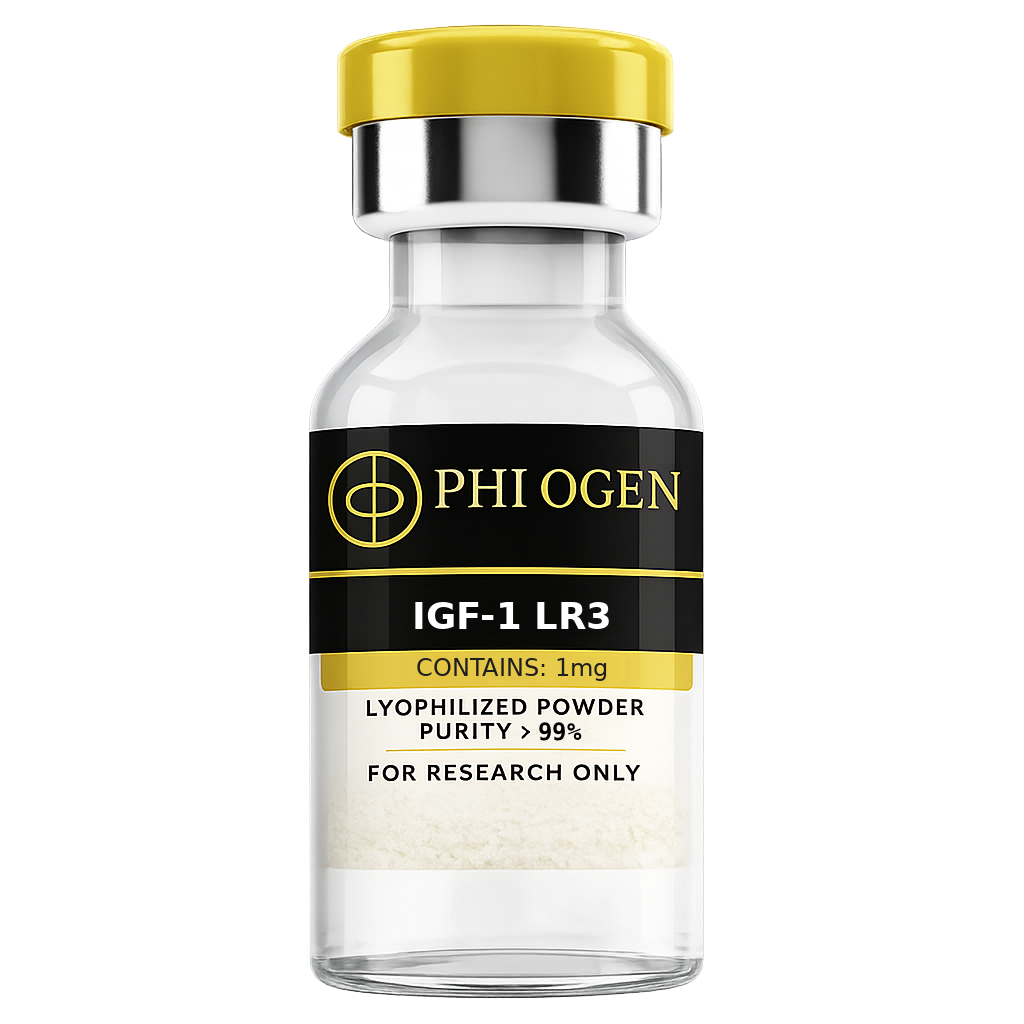
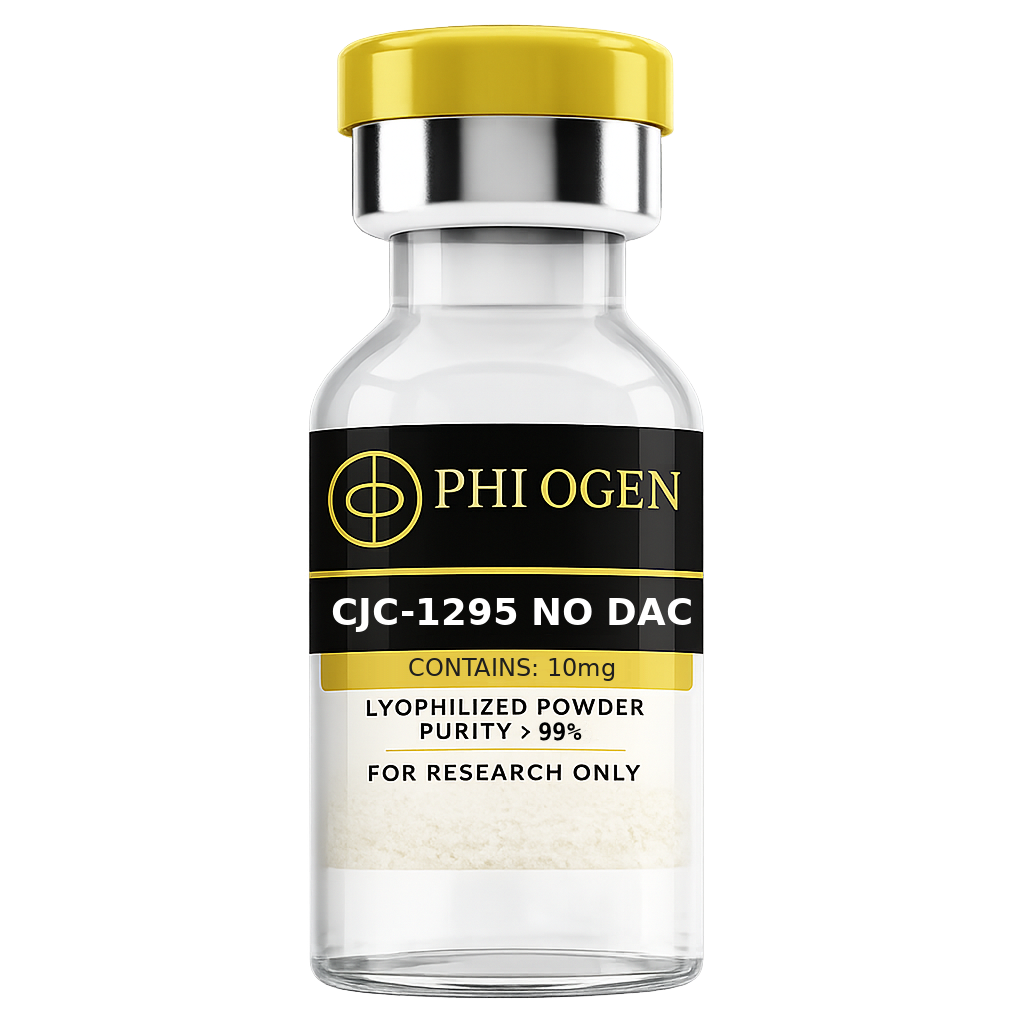
CJC-1295 No DAC 10mg

CJC-1295 No DAC 10mg

performance

View →
IGF-1 LR3

IGF-1 LR3

performance

View →
GHRP-2 10mg

Buy GHRP-2 10mg

$49.99

Buy Now — $49.99Buy at Phiogen

Research-grade · COA verified · Phiogen
Categoryperformance
Typeinjectable
Quality Rating★★★★☆
VendorPhiogen

GHRP-2 10mg

$49.99

Buy Now