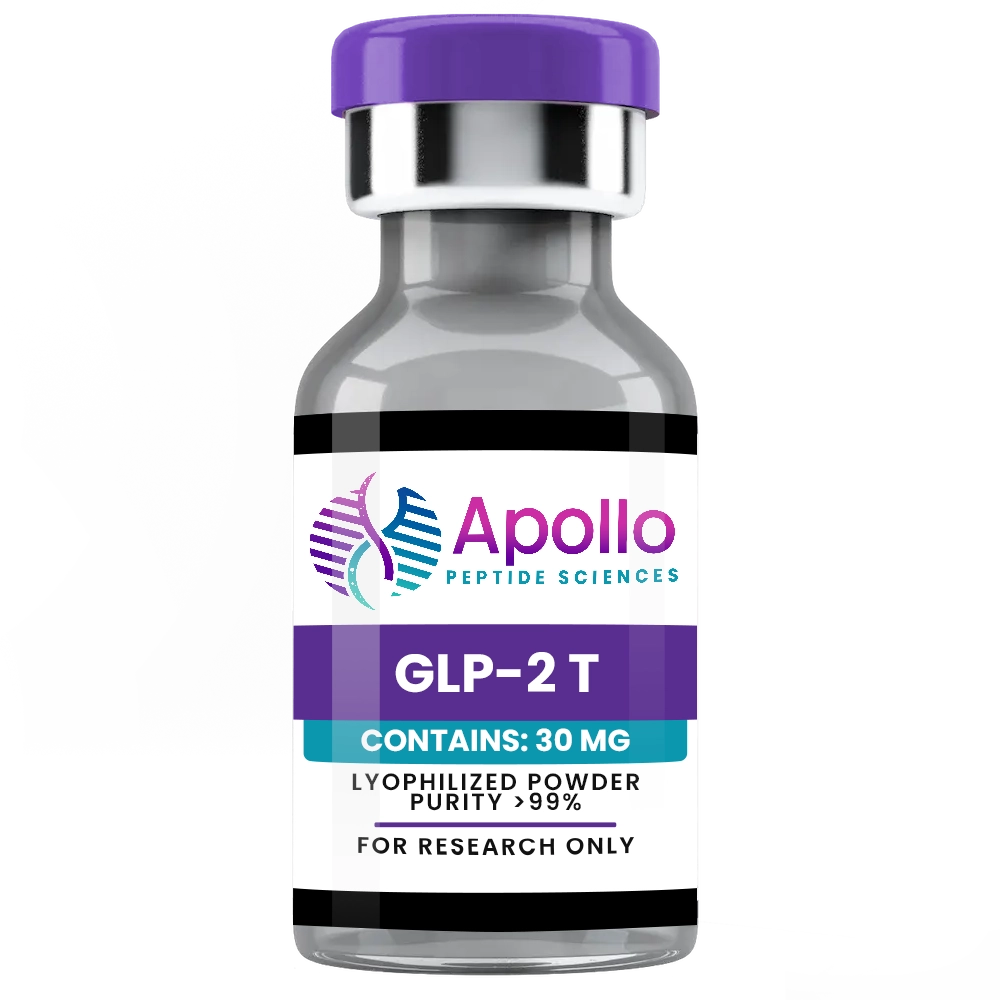
GLP-2 T 30mg
fat loss
Quality Rating

Buy GLP-2 T 30mg

Extended tirzepatide supply for sustained dual-agonist fat loss protocols

6-week supply at 5mg/weekSustained metabolic improvementSingle monthly reconstitution

Who This Is For

Established tirzepatide users who have found their maintenance dose and want to run a sustained protocol long enough to capture the full metabolic benefits.

Tirzepatide 30mg — Extended Protocol Supply

Double vial for users sustaining a tirzepatide protocol at 5–10mg/week maintenance — covers 3–6 weeks at therapeutic weight loss doses.

Supply at 5mg/wk

6 weeks

standard maintenance

Supply at 10mg/wk

3 weeks

high-dose protocol

Adipose receptor

GIP direct

fat tissue activation

Insulin sensitivity

Superior

vs. semaglutide alone

Start dose

2.5mg/wk

must titrate up

Best stack

CJC-1295/Ipa

for muscle preservation

Overview & Benefits

The 30mg tirzepatide vial is for users who've moved past the questions and into the protocol. You know tirzepatide works for you — you've found your dose, your body has adapted to it, and now the goal is sustained transformation over the months that produce the results worth having. At 5mg/week, this vial is six weeks of consistent dual-agonist coverage. At 10mg/week, it's three solid weeks. Either way, it's the right size for someone treating this as a real protocol rather than an experiment. What happens when tirzepatide is given time is where this compound distinguishes itself. The SURMOUNT trial ran 72 weeks and saw continued fat loss throughout — no plateau at week 12 or 24 as commonly seen with diet-only interventions. The dual GLP-1 and GIP mechanism maintains its efficacy because neither receptor system undergoes the same tolerance downregulation that appetite-only approaches face. The metabolic environment keeps improving: triglycerides typically fall 20–30% over extended protocols, fasting insulin normalizes, and the lipid profile shifts toward cardiovascular health in ways that often surprise users who were focused only on the scale. The 30mg vial also brings practical convenience. Reconstituting a single vial and storing it correctly (2–8°C, used within 28 days) is fine for one month of dosing at 5mg/week. There's something to be said for the simplicity of handling one vial per month rather than managing multiple smaller vials with their own reconstitution timelines and storage logistics. One reconstitution, one label, one date to track. These are also the months where secondary metabolic improvements become measurable. Fasting glucose, HbA1c, blood pressure, and inflammatory markers that were silently elevated often normalize over sustained tirzepatide protocols — changes that blood tests reveal and that represent real reductions in long-term health risk, independent of how the body looks in the mirror.

Key Benefits

  • Six weeks of dual-agonist coverage at 5mg/week — sustained transformation, not a short run
  • Continued fat loss throughout extended protocols — no plateau seen at clinical trial endpoints
  • Triglycerides typically fall 20–30% over sustained use — measurable cardiovascular improvement
  • One reconstitution per month — practical and simple for established protocols
  • Fasting insulin and glucose normalization emerge with extended protocol duration
  • No tolerance development in GLP-1 or GIP receptor agonism over time
  • Covers the extended timeline where metabolic syndrome markers visibly reverse

Protocols & Dosing

Maintenance Protocol (Post-Titration)

Once weekly
5–10mg subcutaneous — rotate injection sites weekly

Refrigerate reconstituted vial at 2–8°C. Use within 28 days of reconstitution. Mark the reconstitution date on the vial with a marker.

How Tirzepatide Works: Dual GIP and GLP-1 Receptor Co-Agonism

Tirzepatide is a first-in-class dual glucose-dependent insulinotropic polypeptide (GIP) and GLP-1 receptor co-agonist. It is a 39-amino-acid synthetic peptide engineered on a GIP backbone with GLP-1 receptor-binding motifs inserted at strategic positions. A C20 fatty diacid moiety attached via a mini-PEG spacer confers albumin binding analogous to that of semaglutide, extending the half-life to approximately 5 days and enabling once-weekly subcutaneous dosing. Both receptors—GIP-R and GLP-1R—are class B GPCRs that signal primarily through Gs/adenylyl cyclase/cAMP pathways, but their tissue expression patterns are distinct, and simultaneous activation creates a synergistic metabolic effect that neither receptor alone can reproduce. GIP-R is expressed at high density in adipose tissue—both white and brown—where its activation enhances insulin-stimulated glucose uptake, promotes fatty acid esterification under energy-surplus conditions, and, crucially under caloric restriction, dramatically accelerates lipolysis and free fatty acid mobilisation. This context-dependency is central to tirzepatide's superior efficacy: in an energy-deficit state, GIP-R agonism in adipose tissue compounds the lipolytic signal rather than opposing it, driving greater absolute fat mobilisation than GLP-1 agonism alone. Simultaneously, GIP-R activation in the central nervous system amplifies the satiety signalling initiated by GLP-1R, creating a dual-pathway suppression of food intake. GLP-1R agonism within tirzepatide mirrors the mechanisms established for semaglutide: suppression of NPY/AgRP, upregulation of POMC/CART, glucose-dependent insulin secretion enhancement, glucagon suppression, and gastric emptying delay. The additive central satiety effects from GIP-R co-stimulation mean that tirzepatide achieves greater caloric restriction for an equivalent or lower dose of GLP-1 activity. Pancreatic beta-cell function is additionally enhanced by GIP-R stimulation of beta-cell proliferation and anti-apoptotic signalling via PI3K/Akt pathways—an effect not shared by pure GLP-1 agonists. At the adipose-tissue level, tirzepatide's combined receptor activity leads to greater reductions in subcutaneous and visceral fat than semaglutide in head-to-head comparisons. Brown adipose tissue thermogenesis is enhanced through GIP-R-mediated upregulation of UCP1 and increased sympathetic innervation of BAT depots, contributing to elevated resting energy expenditure. The aggregate result is a metabolic shift toward fat oxidation that is both more powerful and more sustained than that achieved by single-receptor GLP-1 agonists, explaining tirzepatide's superior percentage weight loss across all major clinical trials.

Clinical Evidence: Tirzepatide in the SURMOUNT and SURPASS Trial Programs

The SURMOUNT program produced the most compelling weight-loss data for any pharmacological agent at the time of publication. SURMOUNT-1 showed mean body-weight reductions of 15.0%, 19.5%, and 20.9% at 5 mg, 10 mg, and 15 mg doses respectively over 72 weeks, versus 3.1% with placebo. At the 15 mg dose, 57% of participants lost at least 20% of body weight—a threshold previously achievable only with bariatric surgery. Visceral adipose tissue declined by up to 45% from baseline at maximal doses. SURMOUNT-2 extended findings to adults with type-2 diabetes, where tirzepatide 15 mg still achieved 13.4% weight reduction. SURPASS-2 directly compared tirzepatide to semaglutide 1 mg, demonstrating significantly greater weight loss (9.3 kg vs 5.5 kg) and HbA1c reduction. SURMOUNT-4 studied a weight-loss maintenance design analogous to STEP 4, randomising subjects who had lost weight on tirzepatide to continued treatment or placebo—those continuing tirzepatide experienced further loss of 5.5% while the withdrawal group regained 14% over 52 weeks, emphasising that sustained administration is required to maintain benefits. Body-composition analyses across the SURMOUNT program confirm approximately 84% of lost weight is adipose tissue under adequate protein intake conditions. Mechanistic substudies reveal improved skeletal muscle mitochondrial lipid oxidative capacity, suggesting tirzepatide's benefits extend to tissue metabolic quality rather than mass reduction alone.

Key Studies

1

Jastreboff AM et al. SURMOUNT-1 Trial. N Engl J Med. 2022;387(3):205–216.

Tirzepatide 15 mg achieved 20.9% mean weight loss at 72 weeks; 57% of participants lost ≥20% body weight.

2

Garvey WT et al. SURMOUNT-2 Trial. Lancet. 2023;402(10402):613–626.

Tirzepatide 15 mg achieved 13.4% weight loss in type-2 diabetes patients, superior to all existing diabetes pharmacotherapy.

3

Frías JP et al. SURPASS-2 Trial. N Engl J Med. 2021;385(6):503–515.

Tirzepatide outperformed semaglutide 1 mg on both weight loss and glycaemic control in a direct head-to-head comparison.

4

Aronne LJ et al. SURMOUNT-4 Trial. JAMA. 2024;331(1):38–48.

Continued tirzepatide after induction produced additional 5.5% loss; withdrawal caused 14% weight regain, confirming maintenance requirement.

5

McLean BA et al. Cell Metab. 2021;33(9):1750–1765.

Dual GIP/GLP-1 co-agonism produced superior adipose fat mobilisation and BAT thermogenesis vs. single-receptor agonism under caloric restriction.

Safety Profile & Side Effects

Nausea

moderate

Present in up to 31% of subjects at 15 mg. Timelimited to the escalation phase; resolves once a stable dose is maintained for 4+ weeks.

Diarrhoea

moderate

Approximately 23% incidence. GLP-1R-mediated acceleration of small intestinal motility; self-limiting in most subjects within weeks of dose stabilisation.

Vomiting

moderate

Affects 12–18% during escalation; more common with high-fat meals consumed within hours of injection.

Constipation

low

Paradoxically present in ~11% of users despite diarrhoea reports in others, reflecting the heterogeneous GI motility effects of combined GIP+GLP-1 agonism.

Hair Loss

low

Telogen effluvium—stress-induced diffuse hair shedding—reported in a minority of subjects experiencing rapid significant weight loss. Typically self-resolving within 3–6 months.

Hypoglycaemia (with insulin use)

high

In subjects co-administering insulin or sulphonylureas, tirzepatide substantially amplifies insulin action and increases hypoglycaemia risk; insulin dose reductions are indicated.

Buyers Guide: Tirzepatide 30 mg — The Mid-Protocol Continuation Vial

The 30 mg tirzepatide vial is calibrated for subjects who have completed the initial dose-escalation phase (typically weeks 1–12 at 2.5–5 mg weekly) and are now operating at a steady-state maintenance dose of 5–10 mg per week. At 5 mg weekly, a 30 mg vial provides six weeks of supply; at 7.5 mg weekly it provides four weeks; at 10 mg weekly it covers three weeks. This range makes the 30 mg vial the practical choice for subjects in the mid-protocol phase where dose optimisation is occurring—adjustments up or down are common, and the intermediate vial size avoids committing to surplus inventory while still providing economical per-dose pricing compared to the 15 mg starter. Operationally, subjects at this stage are most focused on fine-tuning the balance between efficacy and tolerability. The 30 mg vial allows for dose-level experiments—for example, testing whether 7.5 mg versus 10 mg provides equivalent weight-loss velocity with meaningfully better GI tolerability—without requiring immediate commitment to a full 60 mg bulk supply. Body composition tracking via bioimpedance or DXA at this phase typically confirms that fat loss is occurring predominantly from visceral and subcutaneous depots, validating protocol progression. Documentation of purity is essential at this intermediate phase. For a 30 mg vial, the cost-per-gram ratio means that any quality shortfall represents a proportionally larger resource loss than with the 15 mg starter. Batch-specific HPLC and mass spectrometry certificates should be requested from the supplier. Reconstitution of a 30 mg vial—typically into 2–3 mL of bacteriostatic water to achieve a 10–15 mg/mL working concentration—requires careful vial preparation. Aliquoting into tuberculin syringes pre-drawn for each weekly dose and stored at 4 °C extends the practical working life of the reconstituted preparation while maintaining measurable accuracy.

Tirzepatide vs. Alternatives: Maximising Fat Loss Across Protocol Phases
At the mid-protocol phase represented by the 30 mg vial, tirzepatide subjects are typically achieving weight-loss velocities of 0.5–1.0% of body weight per week—rates that meaningfully exceed what semaglutide achieves at equivalent protocol stages. The dual GIP+GLP-1 mechanism's advantage is most visible at this phase: subjects who previously plateaued on semaglutide often experience renewed momentum when transitioning to tirzepatide, reflecting the additional adipose lipolytic capacity conferred by GIP-R co-agonism. Against retatrutide, the 30 mg tirzepatide vial occupies a more evidence-backed position. Phase-3 SURMOUNT data are available for tirzepatide; retatrutide is supported primarily by phase-2 data. For research requiring robust interpretive confidence at the mid-protocol stage, tirzepatide's documented dose-response relationships make outcome interpretation more reliable. Subjects who have fully plateaued at tirzepatide's 15 mg ceiling and wish to explore the triple-agonist ceiling of retatrutide will find the 30 mg tirzepatide vial a useful reference-protocol anchor before that transition.

Stack With These Peptides

CJC-1295 / Ipamorelin

CJC-1295 / Ipamorelin

performance

View →
IGF-1 LR3

IGF-1 LR3

performance

View →
GLP-2 T 30mg

Buy GLP-2 T 30mg

$279.99

Buy Now — $279.99Buy at Apollo

Research-grade · COA verified · Apollo Peptide Sciences
Categoryfat loss
Typeinjectable
Quality Rating★★★★★
VendorApollo

Common Questions About GLP-2 T

Who should use the tirzepatide 30mg vial?

The 30mg vial is designed for users who have completed their initial titration (8–12 weeks) and are running at an established maintenance dose — typically 5–10mg/week. At 5mg/week this provides 6 weeks; at 10mg/week, 3 weeks. It is more economical than buying multiple 15mg vials for an ongoing protocol.

How long does tirzepatide 30mg last?

Supply duration depends on your weekly dose. At 5mg/week: approximately 6 weeks. At 7.5mg/week: 4 weeks. At 10mg/week: 3 weeks. For a full 12-week maintenance protocol at 7.5mg/week you would need approximately 3 vials of 30mg. Most experienced users buy 2–3 vials at once for a complete protocol cycle.

When should I consider tirzepatide instead of semaglutide?

Consider tirzepatide when you want maximum GLP-1 class fat loss potential or when you have already run semaglutide and want to step up. Tirzepatide produced 22.5% mean weight loss vs semaglutide's 14.9% in their respective pivotal trials. For a first-time GLP-1 user, semaglutide is often the better starting point for tolerance assessment. For experienced users or those prioritizing maximum efficacy, tirzepatide is consistently the stronger choice.

GLP-2 T 30mg

$279.99

Buy Now